

Celebration is life
Depictions of gatherings that are representative of different ways and forms of celebrations. Whether it’s about thought, love, nature, or war, the need to celebrate is a human trait that is prevalent throughout the centuries. The selected pieces are all from the Renaissance era, an era that is represented by humans and their experiences and nature displayed through the techniques used throughout the time period. Using these pieces to pinpoint differing ways of celebrating that are featured that are familiar or unfamiliar to the ways we celebrate nowadays.
Artworks
- Triumph of Camillus (2026) — Biagio d'Antonio, 15th century, tempera on panel Biagio d’Antonio’s piece, The Triumph of Camillus, depicts a celebratory journey home to Rome after the Roman troops led by general Marcus Furius Camillus. The general sits atop of the golden carriage while the rest of his army walks or rides horses making their way back home to the city of Rome in a long winding path, making it a strenuous journey. But it was a fruitful journey, for they brought with them prisoners of war to bring back to the city. This depiction is painted by tempera on panel and is believed to be a spalliera, a decoration for a home and was commonly gifted or commissioned for weddings. Meaning this piece is to celebrate the love between the married pair and the future they have ahead of them.
- School of Athens (1509) — Raphael, 1509-1511, fresco Raphael’s commissioned piece for the rooms Stanza di Raffaello, in the Apostolic Palace in Vatican City depicts numerous well respected and celebrated philosophers, mathematicians, and scientists of the ancient Greek era. The emphasis brought to the two figures, Plato and Aristotle in the center of the piece through the lines created in the piece and the space created through the positioning of the others around them brings importance to them, celebrating the knowledge they brought to the world through their thoughts and teachings. While, Plato and Aristotle are an emphasis in this piece, the visual line created with the crowd above the stairs also celebrates the equal importance of the knowledge provided from those amongst the congregation. Further down the piece are two groups: the thinkers on the left and the ones in active discussion/demonstration on the right. The balance created from the groups being on the opposite sides of the piece brings an equal emphasis on the importance and celebration of the two styles of thinking and knowledge.
- The Primavera (2026) — Sandro Botticelli, late 1470s - early 1480s, tempera on panel Sandro Botticelli’s The Primavera is a take on a celebration of the varying stages of spring. The dark colors of the forest that this celebration occurs in is reminiscent of the darkness of winter and the lighter, brighter colors of the figures represents the first flowers of spring blooming out of the dead winter grass. With the party of figures in this piece a visual line is created, making there be two groups of the figures. One group consists of Venus, Cupid, Zephyrus, and the goddess of spring where they are in a sort of way watching over the crowd and their numerous ways of celebration and enacting the changes of spring. Whereas the other group that consists of Mercury, the Three Graces, and the nymph Chloris being the victims of the changes. Chloris is being captured by Zephyrus, who is blowing the first winds of spring while capturing her. The Three Graces are targeted by Cupid’s arrow, a symbol of love, while one of the ladies gaze at Mercury who’s picking a fruit off of a tree, honing in on the new love that is created in the celebration welcoming in spring. The movement created by the flowing fabrics and the actions of the figures creates a sense of just seeing a snapshot of the celebration, moments before the first loves of spring are made atop of the first blooms of the season.
- The Adoration of the Magi (1478) — Sandro Botticelli, 1478-1482, tempera and oil on poplar panel Sandro Botticelli’s, The Adoration of the Magi, is a rendition of the story of the birth of Christ and the celebration with gifts and prayers that came with the Magi. The linear lines created in this piece drag your eye to the center of the piece where you see the three wise men offering gifts to Mary and baby Jesus. Along with these lines there is also a triangle formed by 3 different points of a deep blue, Mary and two other men kneeling in prayer, where the inside of the triangle is emphasized which holds baby Jesus. This piece celebrates the historical and religious significance of this moment as well as celebrating the new life that was brought into the world.
- Venus, Mars, and Cupid Crowned by Victory (1560) — Paris Bordone, 1560, oil on canvas Paris Bordone paints a story of celebration between the passionate but illicit love between Venus, the goddess of love, and Mars, the god of war. Portrayed along with them is also their son Cupid, the god of love, and Victoria, the goddess of victory. The colors in this piece celebrate the passionate yet forbidden love these two have by using deep dark moody colors to highlight the couple. Specifically the dark red used on Venus’s dress communicates the passion and lust this relationship has. Motion is captured in this piece in several places, Cupid running with a basket full of flowers and leaves that starts to spill over atop Venus’s lap, Venus and Mars’s hands inching towards embrace, and Victoria inches away from placing the crowns of leaves atop of their heads. Catching these movements before they’re completed are reminiscent of capturing a candid photo, here the candid photo is celebrating a lover welcoming home a soldier while they are being celebrated by others for their victory and coming home safe and sound.
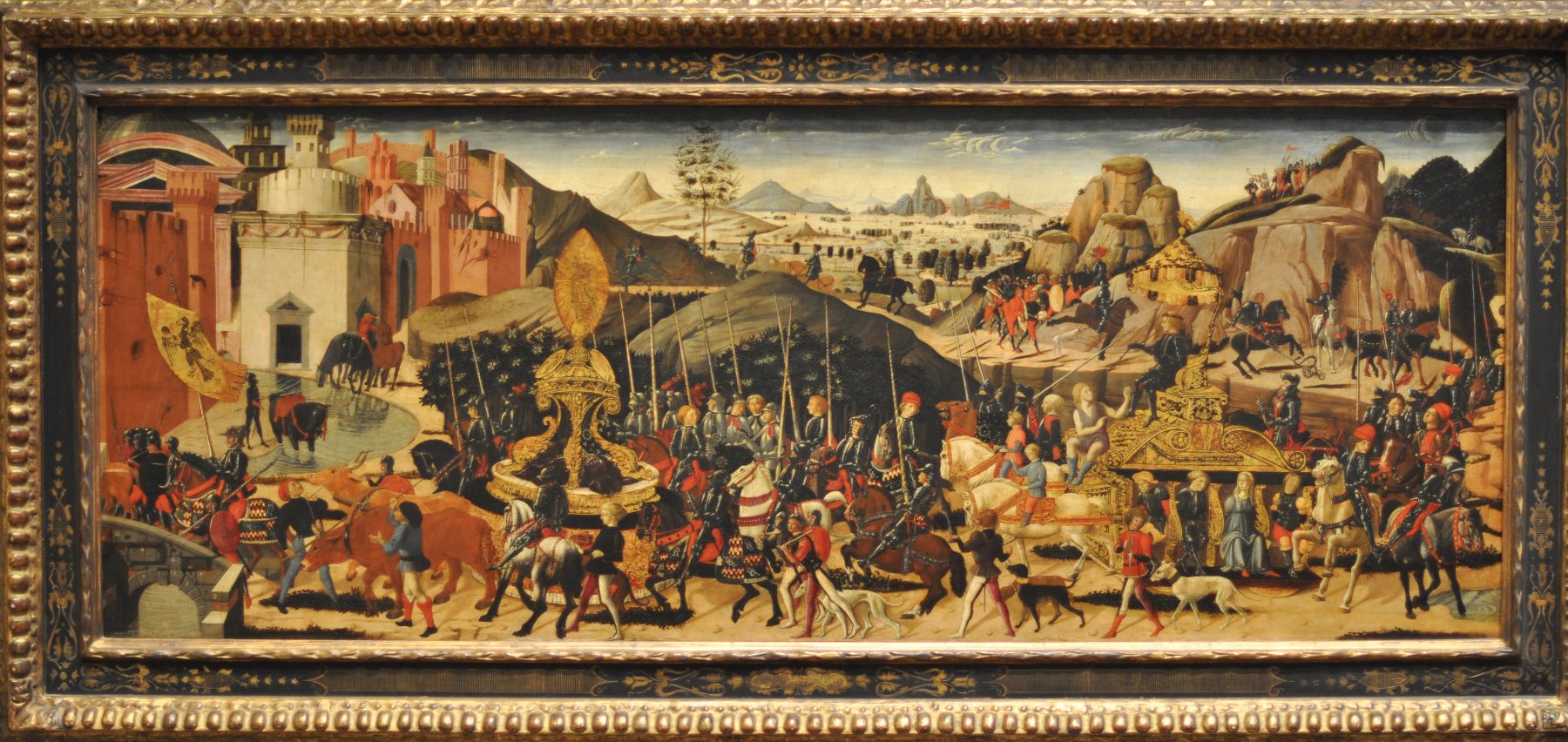
Triumph of Camillus
2026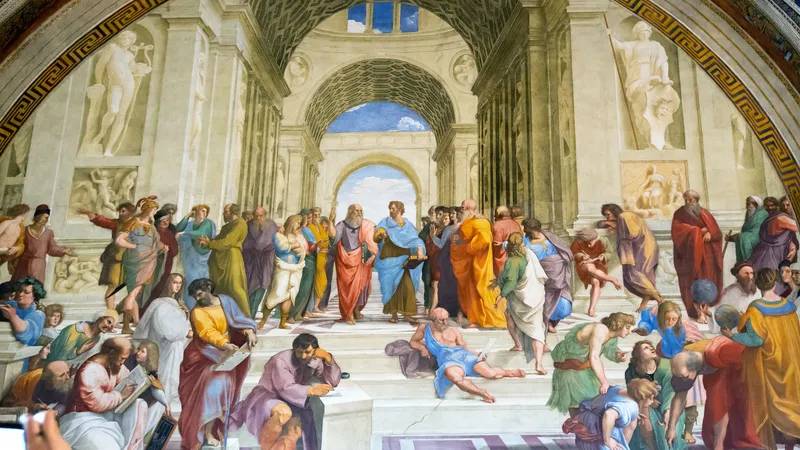
School of Athens
1509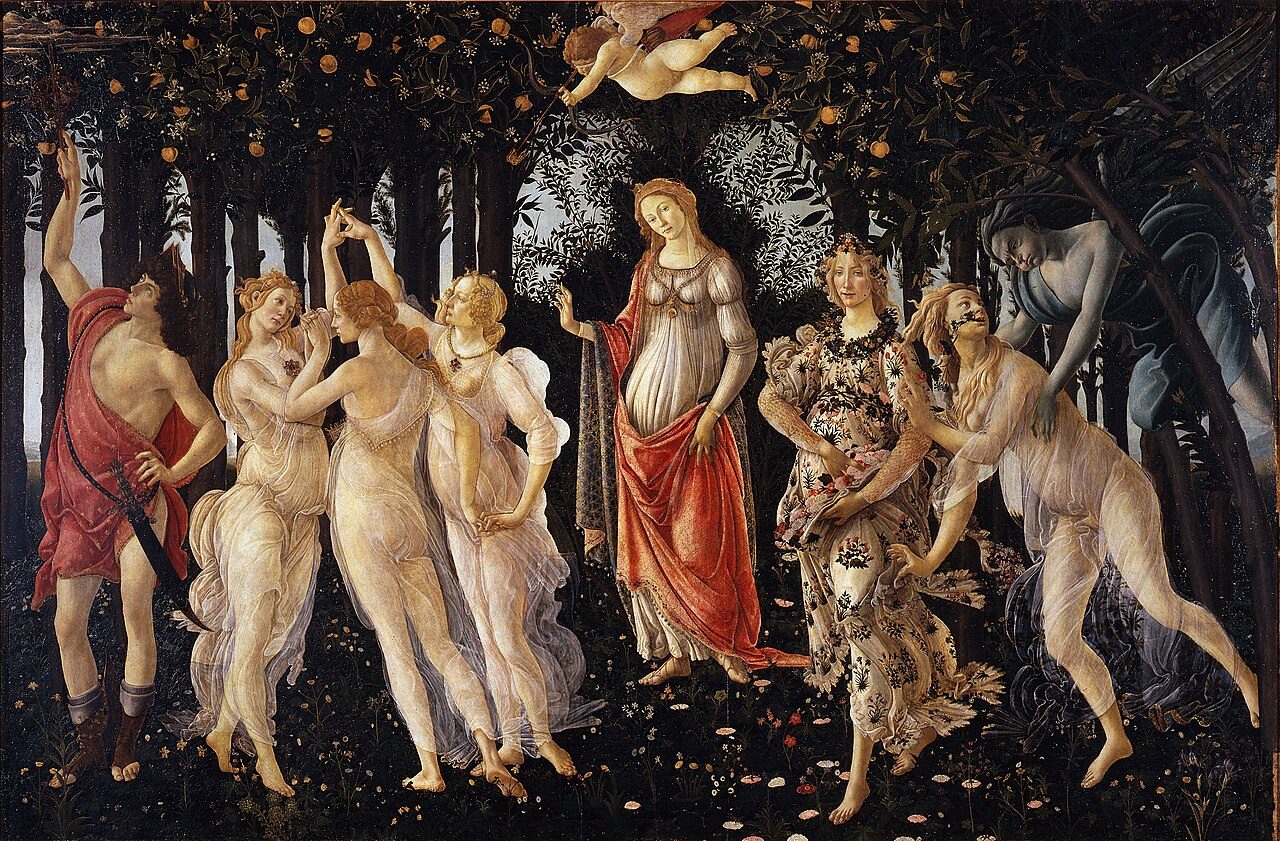
The Primavera
2026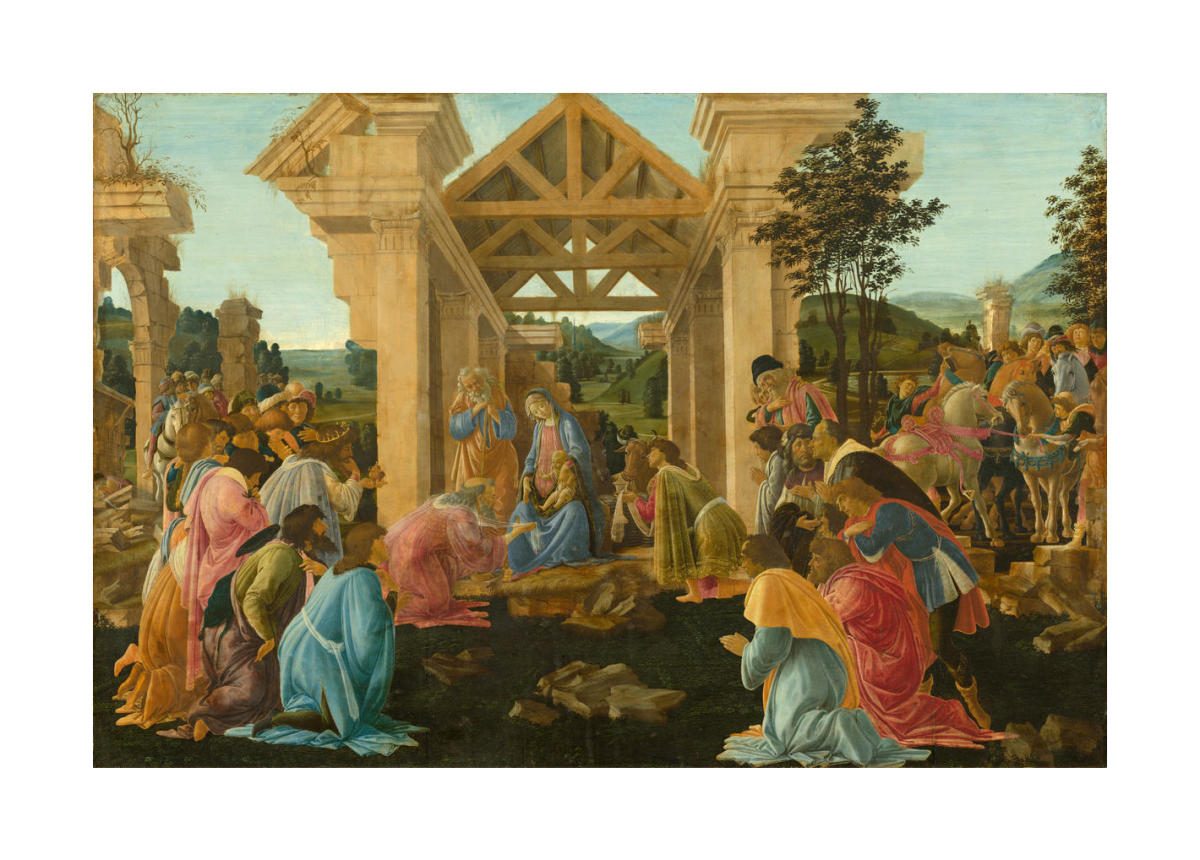
The Adoration of the Magi
1478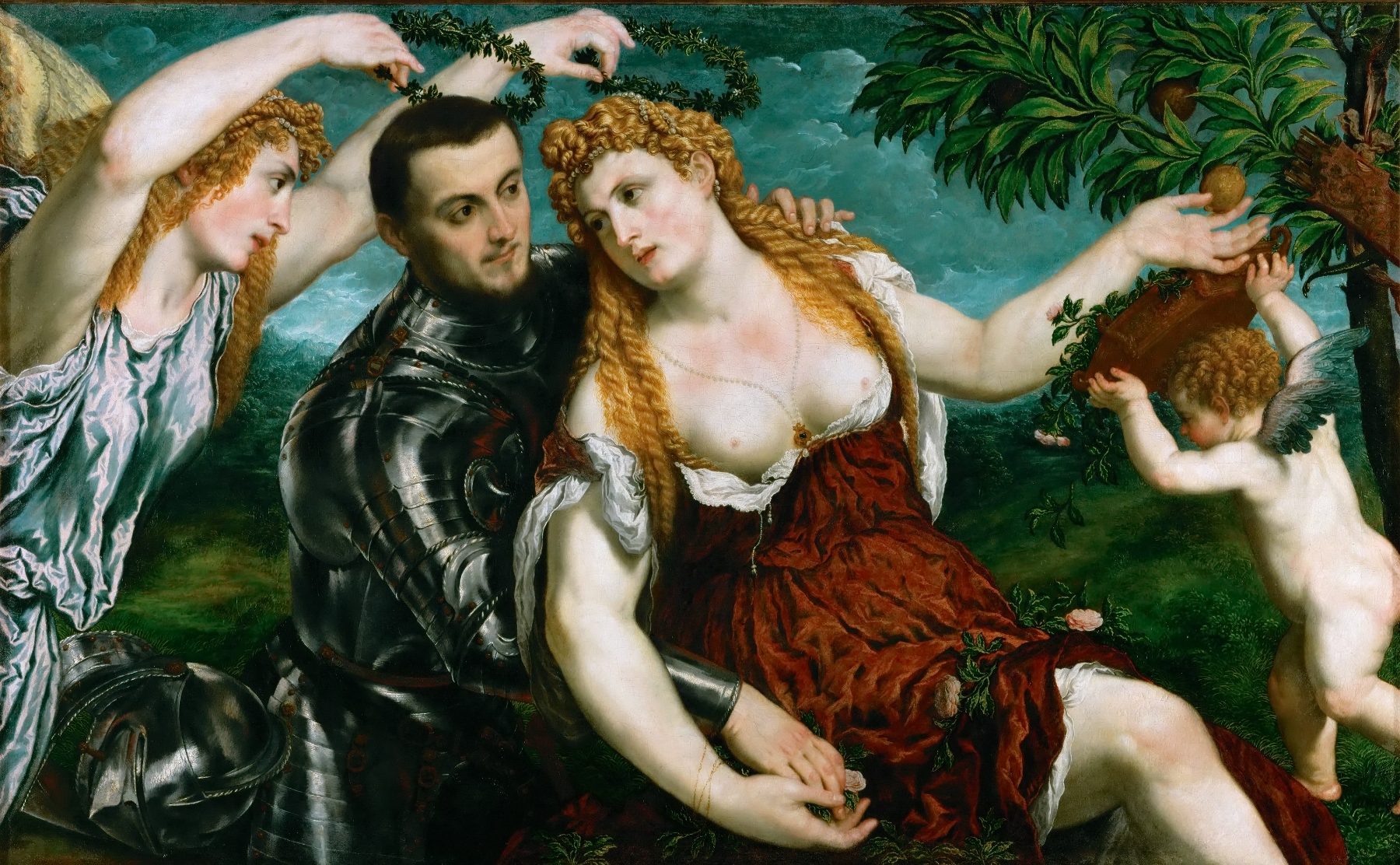
Venus, Mars, and Cupid Crowned by Victory
1560Immersive Experience
Walk through this gallery in 3D
Step inside a virtual gallery space. Walk up to each artwork. See them as they were meant to be seen.
React to this gallery
Guestbook
Sign in to leave a comment.
Loading…
Galerra
Create your own exhibition
Upload your work and we build a walkable 3D show in about a minute. Free to start.