

Chasing Our Shadow
How Different Life Experiences Shape Our Identity
Artworks
- A Walk at Dusk by Caspar David Friedrich oil on canvas painting (1835) — Caspar David Friedrich’s A Walk at Dusk (about 1830–1835) shows a man standing alone with his back toward us, looking down at an old stone tomb beneath a fading evening sky. Friedrich places the textured rocks that form the tomb near the center of the painting, making it a focal point and showing that mortality is an important part of the scene. A wide horizon stretches behind the man, with the cool blue-gray sky contrasting with the warmer earth tones in the foreground. The painting is asymmetrical, with the lone figure on the left standing out in his red cloak and drawing our attention. Even though the scene focuses on death, the winter landscape also hints that life can begin again when spring arrives. As the final artwork in the exhibition, this painting represents the later part of our identity journey. After a lifetime of experiences, relationships, challenges, and self-reflection, we eventually have to face our own mortality. Thinking about the end of life can make us look back at the experiences that shaped us and think about who we have become. It brings the search for identity to a quiet moment of reflection and acceptance.
- The Creation of Adam by Michelangelo fresco (1512) — Painted on the Sistine Chapel ceiling between 1508 and 1512 for Pope Julius II, Michelangelo’s Renaissance fresco The Creation of Adam captures the ultimate moment of origin. On the left, a relaxed Adam appears rooted to the earth, reaching out toward a God moving in swiftly from the right. Michelangelo uses sharp diagonal lines to contrast God's intense energy with Adam’s passive posture. The true focus sits right in the center, where their fingers almost touch. That tiny, tense gap creates a powerful sense of anticipation like a snapshot taken a split second before life begins. As the opening piece in Chasing Our Shadow, this artwork represents the spark of human existence and the very start of the identity journey. It introduces the exhibition’s core theme by showing how external forces, like inherited beliefs, shape our earliest understanding of who we are.
- The Thinker by Auguste Rodin bronze sculpture (1904) — Auguste Rodin’s bronze sculpture, The Thinker, was originally created for his much larger work, The Gates of Hell. The well-known standalone version was completed around 1904 and shows the physical weight of deep thought. At first, the figure looks solid and grounded, hunched forward into a heavy, compact shape. However, his crossed arms and tightly flexed muscles create tension and suggest an internal struggle. His dark patina and tense muscles make it feel like he has been thinking about something for a long time, leaving him lost in thought. With his face looking downward as the focal point, and his body hunched forward, he seems to shut out the world around him, pulling us into his isolation. As a third piece, the sculpture represents the point when we start looking inward. We begin thinking about our experiences, our choices, and what kind of person we want to be. This self-reflection helps us better understand who we are and how our identity is shaped.
- The Great Wave off Kanagawa by Katsushika Hokusai woodblock print (1831) — Katsushika Hokusai’s famous woodblock print, *The Great Wave off Kanagawa*, shows a massive, claw-like wave towering over three small boats, with Mount Fuji sitting quietly in the background. Hokusai creates tension by putting the chaotic, churning ocean next to the stillness of the mountain. The deep blue water contrasts with the pale beige sky, which gives the print a calm feeling. The tiny figures in the boats look helpless against the force of nature, but they continue to struggle against it. As the fourth piece, the artwork shows how our surroundings and the challenges we face can affect who we are, especially when they are things outside of our control. These experiences can change how we see ourselves and shape our identity as we move through life.
- Children’s Games by Pieter Bruegel oil on wood panel (1560) — Pieter Bruegel’s 1560 oil on wood panel, Children’s Games, invites viewers into a chaotic Renaissance town square. Rather than providing a single focal point, Bruegel scatters dozens of small groups across the panel, forcing our eyes to constantly wander and showing the energy and curiosity of childhood. While the deep, earthy tones bring the busy scene together, there is also a contrast between the shadowed buildings and the bright landscape in the background. As the second painting in the exhibition, the artwork represents the early social roots of identity. Childhood is when we first begin learning how to interact with others, understand where we fit in, and develop our sense of self. Our friendships, experiences, and interactions with the people around us become part of who we are and help shape the identity we carry into adulthood.
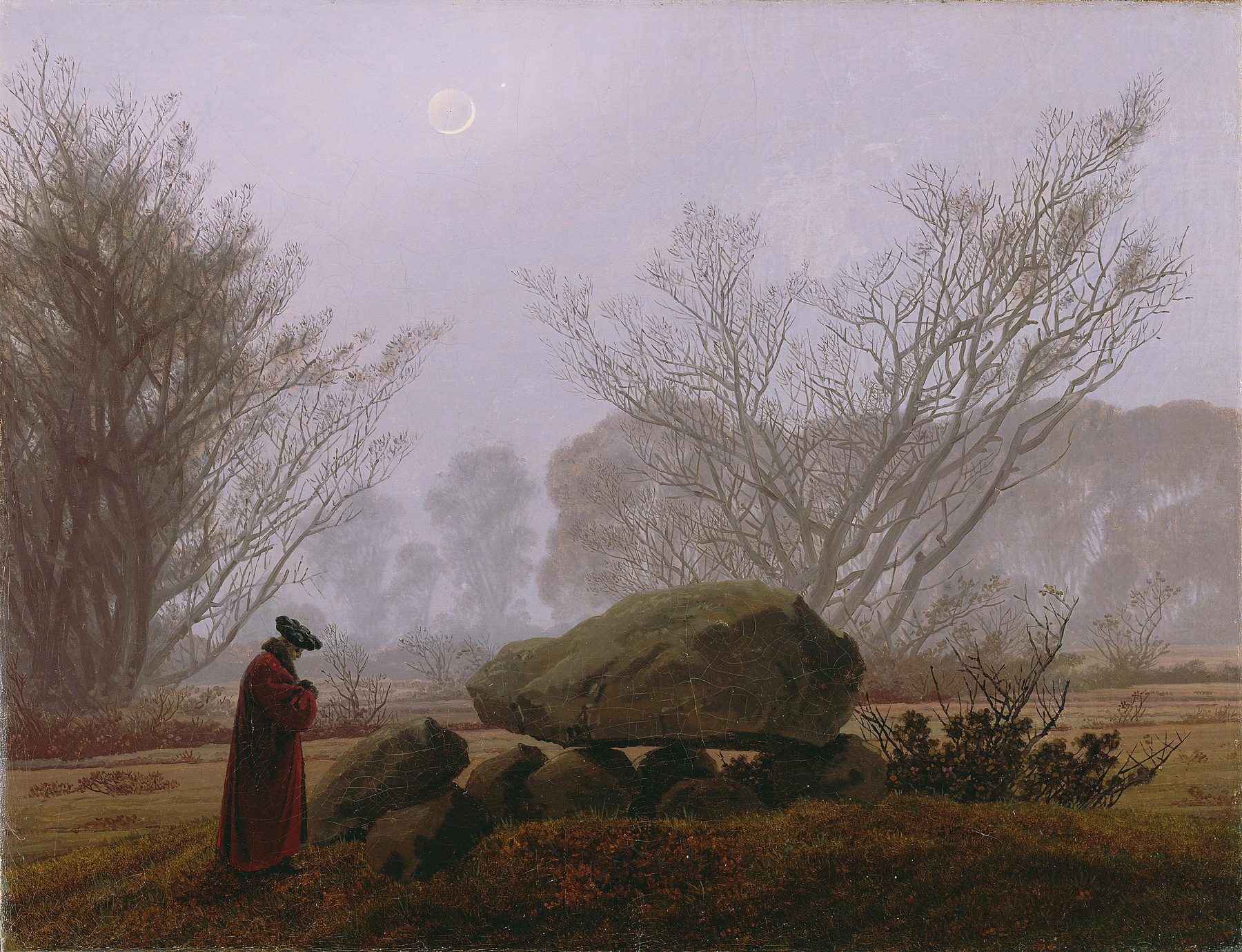
A Walk at Dusk by Caspar David Friedrich oil on canvas painting
1835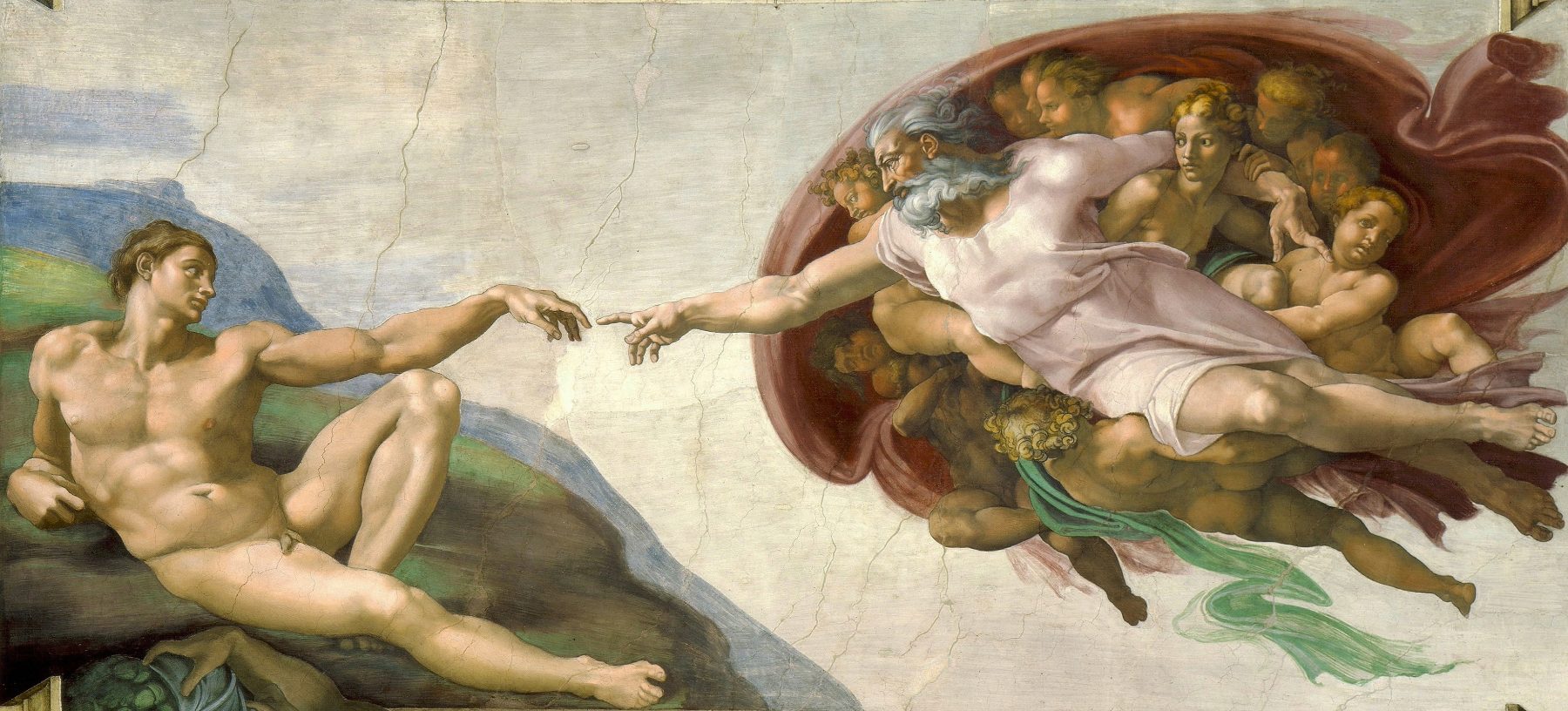
The Creation of Adam by Michelangelo fresco
1512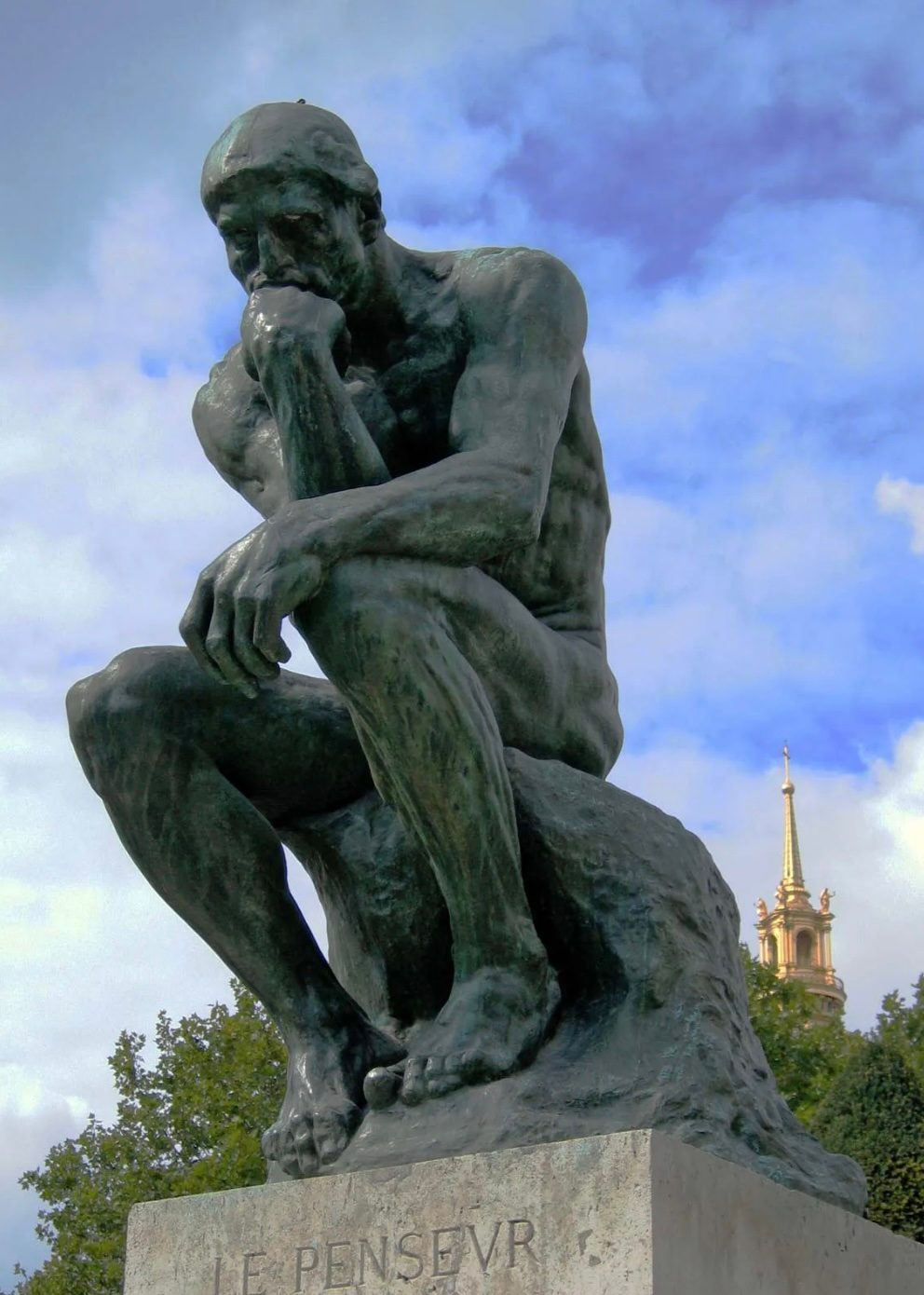
The Thinker by Auguste Rodin bronze sculpture
1904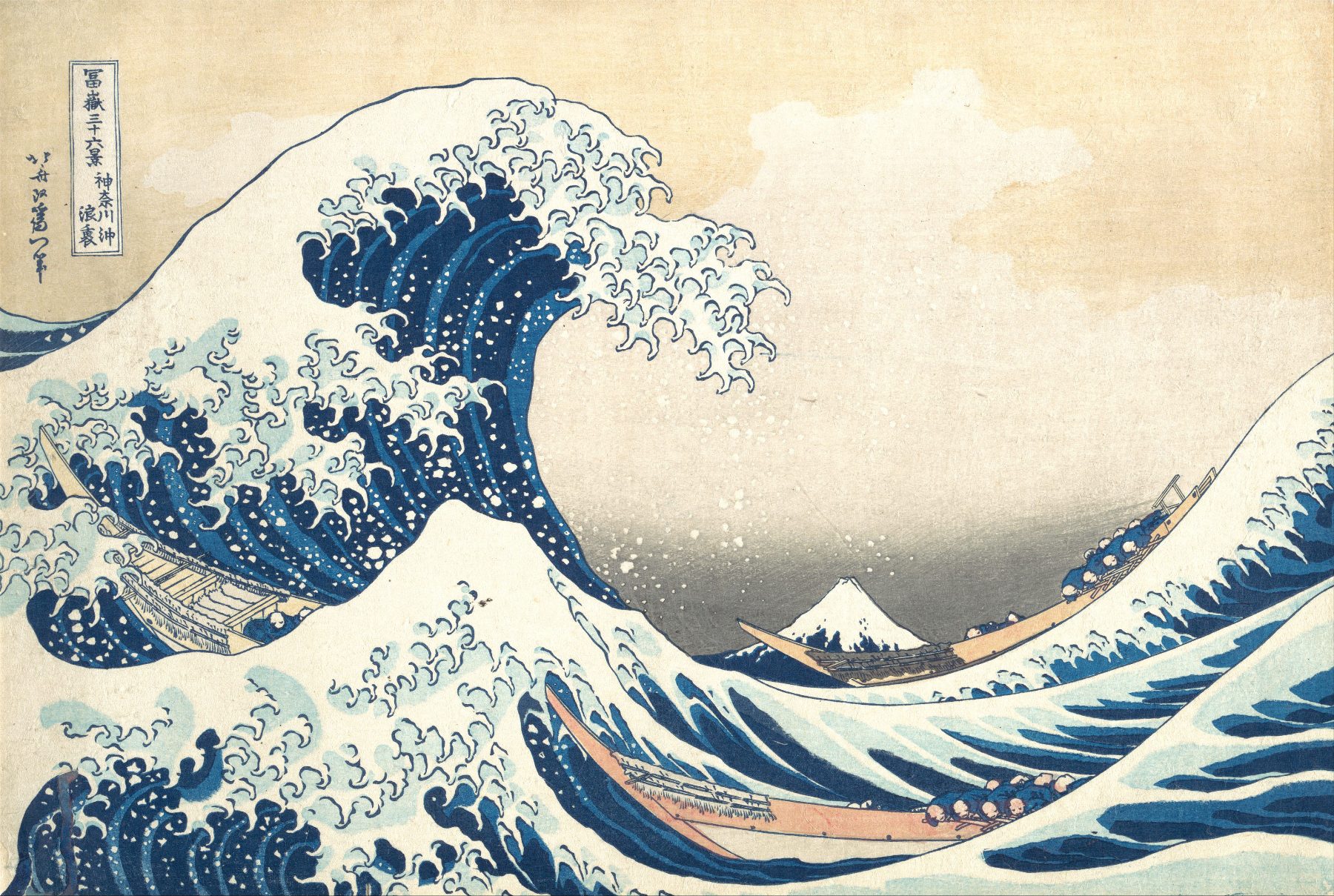
The Great Wave off Kanagawa by Katsushika Hokusai woodblock print
1831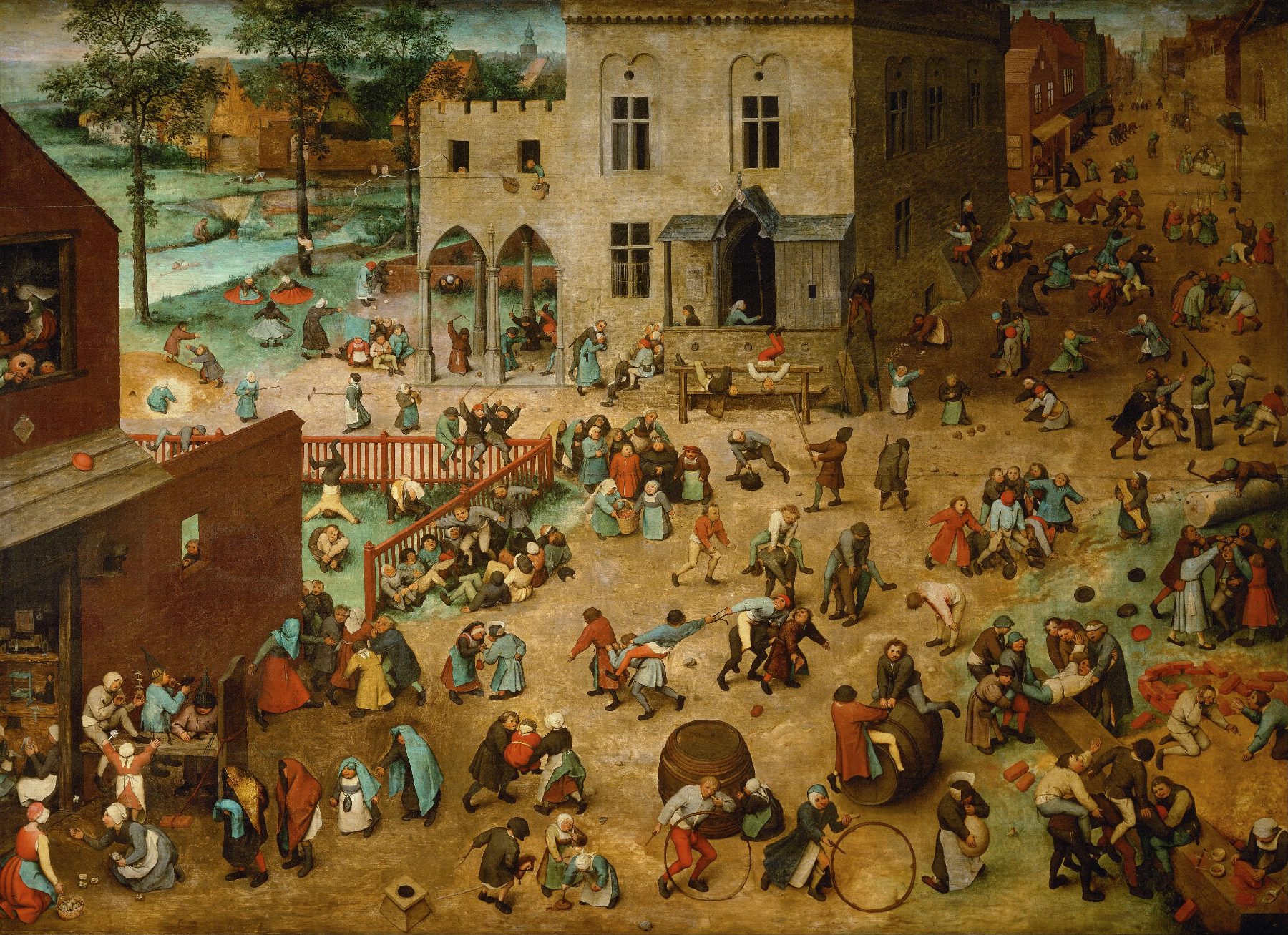
Children’s Games by Pieter Bruegel oil on wood panel
1560Immersive Experience
Walk through this gallery in 3D
Step inside a virtual gallery space. Walk up to each artwork. See them as they were meant to be seen.
React to this gallery
Guestbook
Sign in to leave a comment.
Loading…
Galerra
Create your own exhibition
Upload your work and we build a walkable 3D show in about a minute. Free to start.