

From Object to Author: Reclaiming the Native Image
"From Object to Author: Reclaiming the Native Image"; examines how representations of Indigenous people have been created, controlled, and challenged over time. The exhibition begins with the concept of the colonizer's gaze introduced in the Native Art lecture and considers how images can shape the way Indigenous people are understood. Rather than simply dividing representations into positive or negative images, this exhibition focuses on the lecture's idea of indigeneity as image: representation does not merely reflect reality but can actively shape identity and influence how a culture is perceived. Edward S. Curtis's In Mut Too Yah Lat Lat or Chief Joseph (1903) provides the starting point because it demonstrates the historical problem of Indigenous people being represented through an outside perspective. The formal portrait places Chief Joseph at the center of the composition, surrounded by visual markers of Indigenous identity, while the absence of a recognizable environment isolates him from contemporary life. The photograph therefore establishes the question that drives the exhibition: Who has the power to decide how Indigenous identity is represented? This question connects to Edward Said's observation that "Identity is constructed through representations by others, through images and discourse that define and limit what a people or culture can be." Said's idea provides a framework for understanding how representations can become more than pictures; they can influence cultural identity and reinforce assumptions about particular groups. The exhibition then moves from representation by outsiders toward Indigenous artists reclaiming control over their own images. Jaune Quick-to-See Smith's Trade (Gifts for Trading Land with White People) (1992) confronts colonial history and the commercialization of Indigenous identity by combining newspaper clippings, photographs, objects, and painted imagery. Jeffrey Gibson's Infinite Anomaly #1 (2004) moves further a
Artworks
- Mirror Shield Project (2016) — Artist: Cannupa Hanska Luger Medium: Single-channel digital video, color, sound, and mirror shields. Description: Luger's work shows groups of people outdoors holding rectangular mirrors in front of their bodies. The repeated mirrors form a horizontal line across the landscape, while their reflective surfaces capture the sky and surrounding environment. The dark frames of the mirrors contrast with the lighter landscape, and the repeated rectangular forms create rhythm, unity, and visual repetition. The participants' bodies and faces are partially hidden, changing the traditional relationship between viewer and subject. Luger, a Mandan, Hidatsa, Arikara, and Lakota artist, developed the project in connection with the Water Protectors at Standing Rock and the protests against the Dakota Access Pipeline. The mirrors function as both shields and reflective surfaces, connecting protection with self-representation and political resistance. As the final artwork, Mirror Shield Project completes the exhibition's progression from the colonizer's gaze toward Indigenous control of representation. Curtis's portrait places one Indigenous subject before an outsider's camera, while Luger's project presents a collective community controlling what the viewer can see. The mirrors effectively redirect the gaze, making this work a powerful conclusion to an exhibition about reclaiming the power to represent Indigenous identity.
- Trade (Gifts for Trading Land with White People) (1992) — Artist: Jaune Quick-to-See Smith Medium: Oil and mixed media on canvas. Description: Smith's enormous horizontal composition combines painted areas with newspaper clippings, photographs, maps, text, fabric, and numerous objects suspended above the canvas. The crowded surface uses varied colors, textures, materials, and imagery to create visual variety, while repeated objects and horizontal forms create rhythm and unity. The canoe-like form crossing the composition provides a strong visual pathway through the work. Created in 1992 during the five-hundredth anniversary of Columbus's arrival in the Americas, the work confronts colonialism, land dispossession, stereotypes, and the commercialization of Indigenous identity. The title creates an ironic exchange between Native-themed objects and Indigenous land, challenging the historical relationship between Indigenous peoples and colonizers. Smith's use of existing images and objects is especially important to the exhibition because she takes representations that have contributed to stereotypes and reorganizes them through an Indigenous perspective. Following Curtis's controlled portrait, Trade introduces a more confrontational visual strategy. Its fragmentation and variety demonstrate that Indigenous identity cannot be contained within one simplified image, while its subject matter directly challenges the colonial narratives established by the first artwork.
- Infinite Anomaly #1 (2004) — Artist: Jeffrey Gibson Medium: Paper, oil paint, and gesso. Description: Gibson's abstract composition places brightly colored pink, blue, green, yellow, orange, red, black, and white forms across a mostly white background. Curved lines move through overlapping shapes, while thick and thin marks create differences in texture and visual weight. The asymmetrical arrangement concentrates much of the visual activity toward the center and left side. Strong color contrast creates emphasis, while repeated curves and colors establish rhythm and unity. Rather than presenting an identifiable Indigenous figure, Gibson uses abstraction and experimentation to create a visual language that resists a single definition of Indigenous identity. The National Museum of the American Indian identifies Gibson as Mississippi Choctaw/Cherokee and documents the work as part of its collection. Within this exhibition, Infinite Anomaly #1 represents an important transition because the artist is no longer responding only to stereotypical images of Indigenous people; he demonstrates the freedom to create an entirely different visual language. The work supports the exhibition's theme by showing that self-representation includes the ability to determine what Indigenous art can look like rather than being restricted to imagery expected by an outside viewer.
- Ishkode (fire) (2021) — Artist: Rebecca Belmore Medium: Ceramic, bullet casings, and copper wire. Description: Belmore's sculpture consists of a tall, narrow rust-colored ceramic form surrounded by thousands of small metallic bullet casings arranged in a broad circular pattern. The central form contains numerous folds and creases and contrasts strongly with the repeated, hard surfaces of the casings. The vertical central figure creates emphasis, while the surrounding casings produce radial balance, repetition, and rhythm. The difference between the organic appearance of the central form and the metallic ammunition creates material and visual contrast. Belmore, an Anishinaabe artist, created the work as an exploration of Indigenous identity, violence, vulnerability, and survival. The Whitney Museum notes that the central ceramic form was created from the shape of a sleeping bag and that the bullet casings form a protective barrier around it. These opposing ideas of danger and protection are important to the exhibition because they demonstrate how Indigenous artists can address painful histories from their own perspectives. The sculpture moves the exhibition beyond the question of how Indigenous people are pictured and toward how Indigenous artists can use their own bodies, materials, and histories to confront the consequences of colonial violence.
- In Mut Too Yah Lat Lat or Chief Joseph (1903) — Artist: Edward S. Curtis Medium: Platinum print. Description: Curtis's formal black-and-white portrait places Chief Joseph centrally within the vertical composition, showing him from approximately the chest upward against a dark, largely undefined background. His face is the primary focal point, while his dark hair, large feathered headdress, numerous necklaces, and darker clothing create repeated shapes and strong contrast against the background. The symmetrical placement of the headdress produces balance, while the repeated feathers and necklaces create rhythm. Historically, Curtis photographed Chief Joseph in his Seattle studio as part of his larger project documenting Native peoples, which the lecture connects to the colonizer's gaze and ideas such as the "Noble Savage" and "Vanishing Race." The formal composition emphasizes Chief Joseph as a recognizable representation of Indigenous identity while removing much of his contemporary environment. This makes the photograph an important opening work because it establishes the exhibition's central problem: Indigenous people being transformed into objects of representation through an outside perspective. Its controlled composition and emphasis on cultural appearance demonstrate how visual design can contribute to the construction of identity, providing the historical starting point for the exhibition's movement toward Indigenous self-representation.
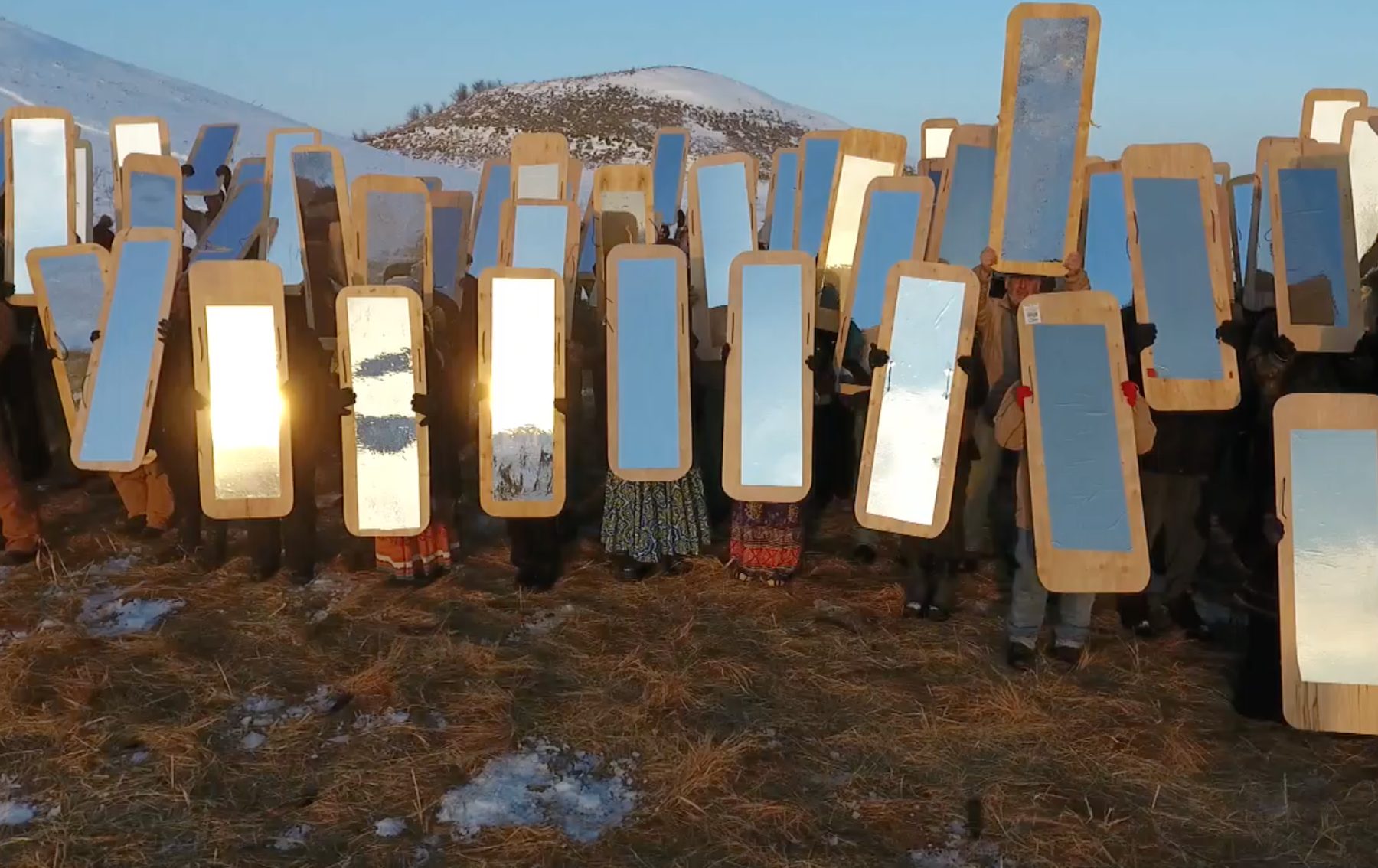
Mirror Shield Project
2016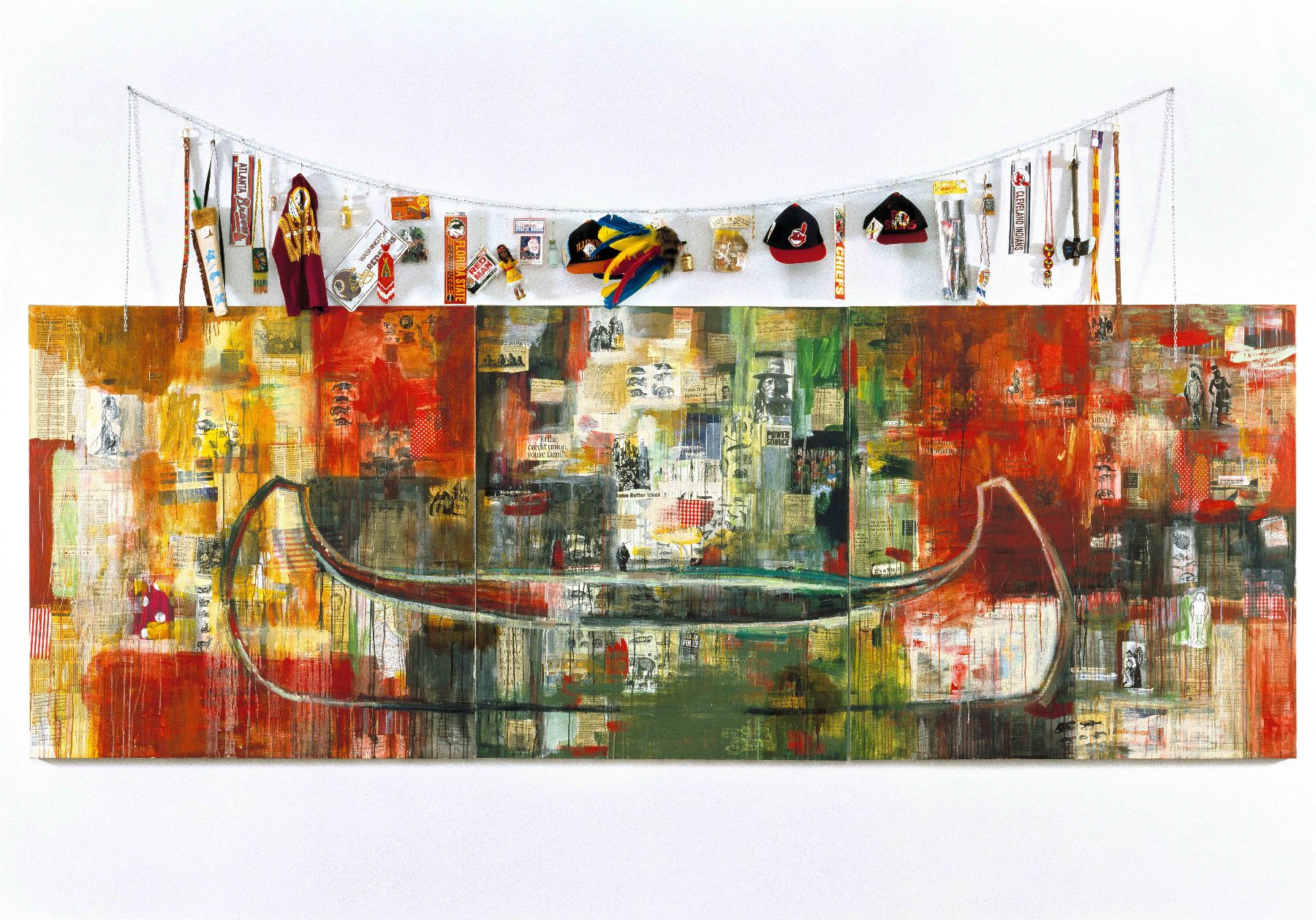
Trade (Gifts for Trading Land with White People)
1992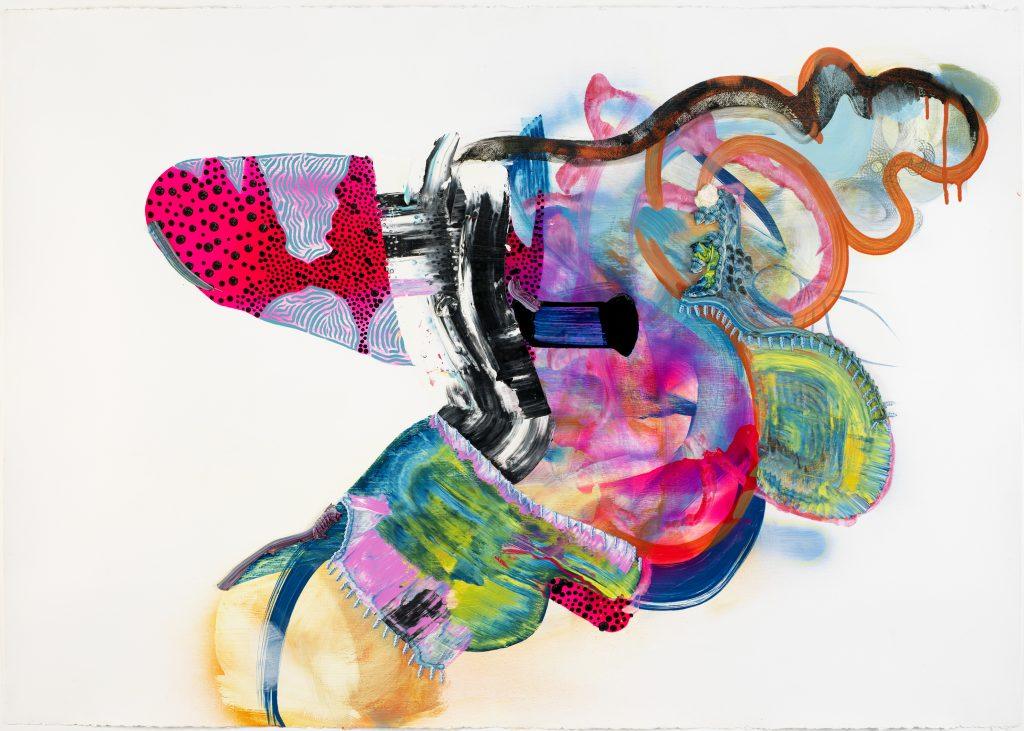
Infinite Anomaly #1
2004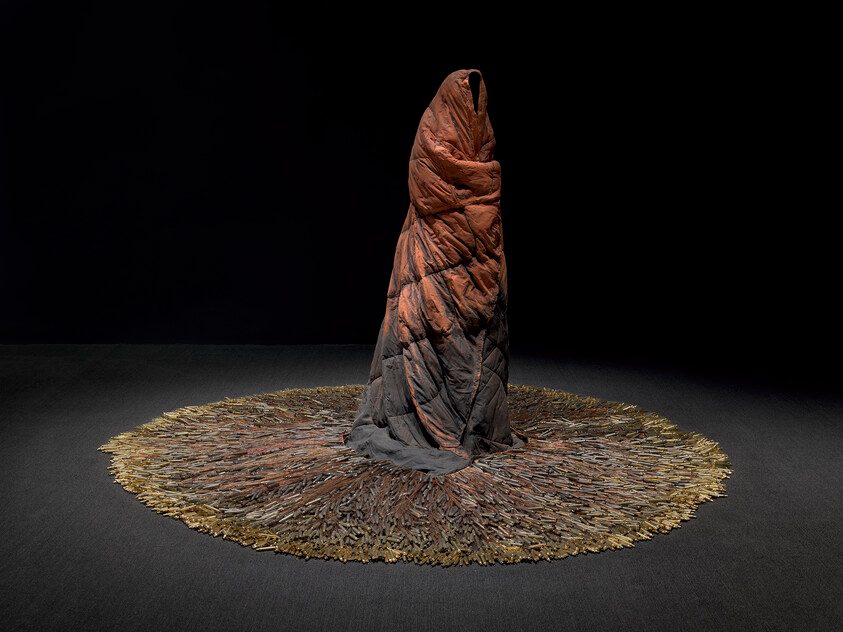
Ishkode (fire)
2021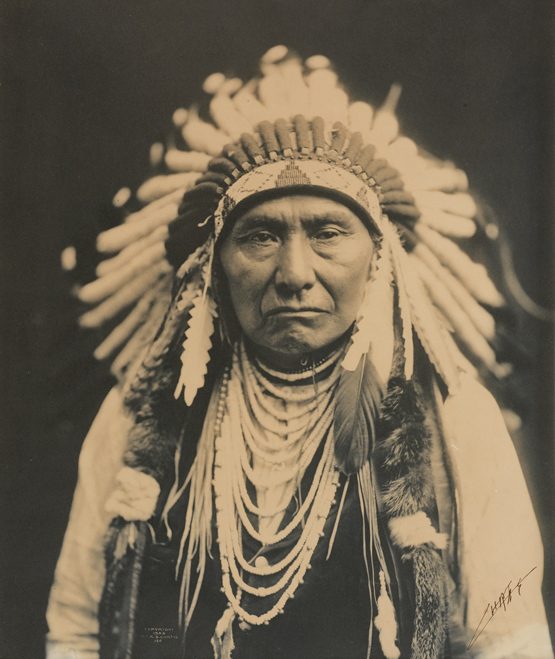
In Mut Too Yah Lat Lat or Chief Joseph
1903Immersive Experience
Walk through this gallery in 3D
Step inside a virtual gallery space. Walk up to each artwork. See them as they were meant to be seen.
React to this gallery
Guestbook
Sign in to leave a comment.
Loading…
Galerra
Create your own exhibition
Upload your work and we build a walkable 3D show in about a minute. Free to start.