

Kai's Gallery
Artworks
- Autumn mountains with travellers in the style of Fan Kuan (1705)
- Admonitions of the Instructress to the Court Ladies (2026) — Traditionally believed to be painted by Gu Kaizhi, Admonitions of the Instructress to the Court Ladies shows a couple of well-dressed women in scenes that teach the importance of good behavior and moral values. Kaizhi uses clean lines, balanced compositions, and calm gestures to create a sense of order and elegance that reflects the values of the imperial court. Rather than focusing on individual personalities, the figures are used as moral examples, showing how the behavior reflects on character. The handscroll shows the Confucian idea that both education and discipline help lead to social harmony, using visual storytelling as a way to teach. The painting shows that identity is formed through culture and ideas about right and wrong. It shows that art can shape shared beliefs and not just record everyday life.
- Han Hsi-tsai's Night Revels: det.: scene 3 — Gu Hongzhong’s Han Xizai’s Night Revels shows different people, including musicians, dancers, guests, and officials, in connected indoor spaces. The way the figures and buildings are arranged creates rhythm and helps viewers understand the painting as both a story and a record of what is being shown. Even though the atmosphere seems celebratory, the painting is often seen as documenting the actions of the official Han Xizai during a period of political pressure. Public reputation and private behavior become connected, showing that identity is shaped by how people act in public as much as by their personal behavior. In my exhibition, the painting shifts from teaching morals to observing politics, showing that art can preserve history while also commenting on power and responsibility.
- Bloodline: Big Family No. 2 (1995) — In Bloodline: Big Family No. 2, Zhang Xiaogang shows a family posing with blank expressions and soft colors that make it look like an old studio photo. The symmetrical layout suggests unity, but the emotional distance between the figures shows isolation beneath conformity. Painted after many years of social and political change in China, the work shows how history can influence personal memory and family identity. Zhang questions what happens when people give up individuality to follow shared ideas. As the final artwork piece in the exhibition, the painting shows how identity is shaped by personal experience and shared history, along with ideas about morality and authority.
- Chairman Mao en route to Anyuan (1968) — Liu Chunhua’s Chairman Mao En Route to Anyuan shows Mao as a heroic figure through an ideal and focused composition. Mao stands in the center of the painting, confidently walking toward the viewer, while dramatic clouds and controlled lighting make him look powerful. Made during the Cultural Revolution, the painting was used as political propaganda to inspire admiration and support for revolutionary ideals instead of showing a real portrait. The painting shows that things like size, movement, and focus in art can influence public opinion and shape memory. Within this exhibition, it represents how art can be used by the government to influence people, showing how identity can be shaped through political images.
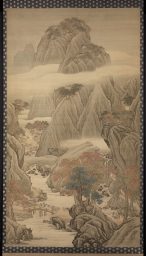
Autumn mountains with travellers in the style of Fan Kuan
1705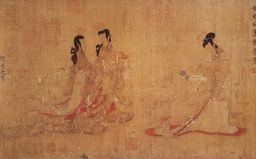
Admonitions of the Instructress to the Court Ladies
2026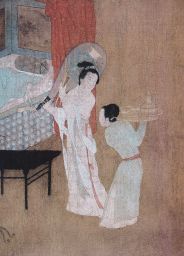
Han Hsi-tsai's Night Revels: det.: scene 3
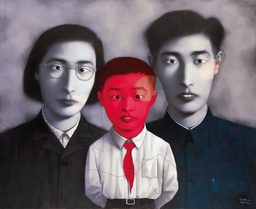
Bloodline: Big Family No. 2
1995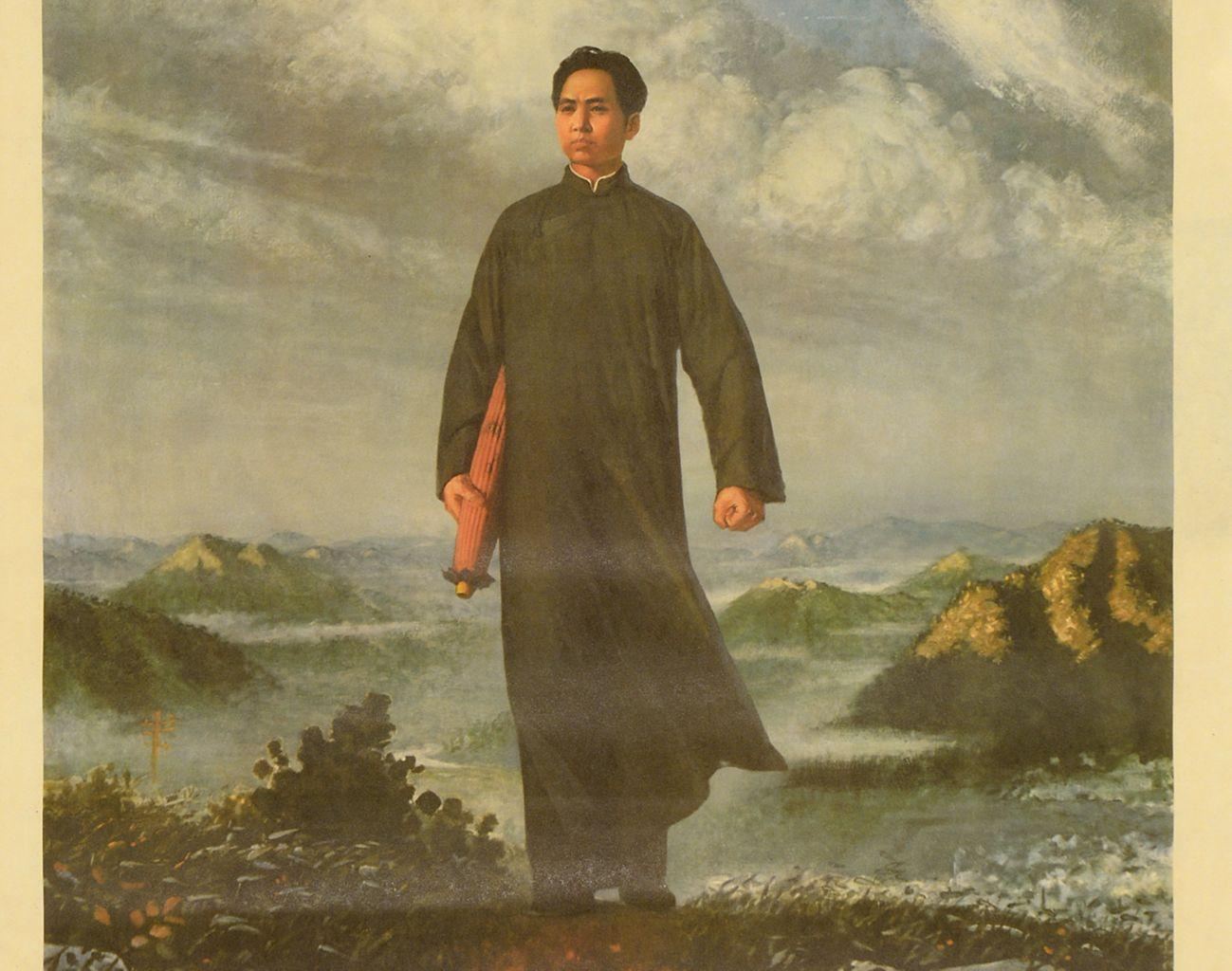
Chairman Mao en route to Anyuan
1968Immersive Experience
Walk through this gallery in 3D
Step inside a virtual gallery space. Walk up to each artwork. See them as they were meant to be seen.
React to this gallery
Guestbook
Sign in to leave a comment.
Loading…
Galerra
Create your own exhibition
Upload your work and we build a walkable 3D show in about a minute. Free to start.