

Mirror Image
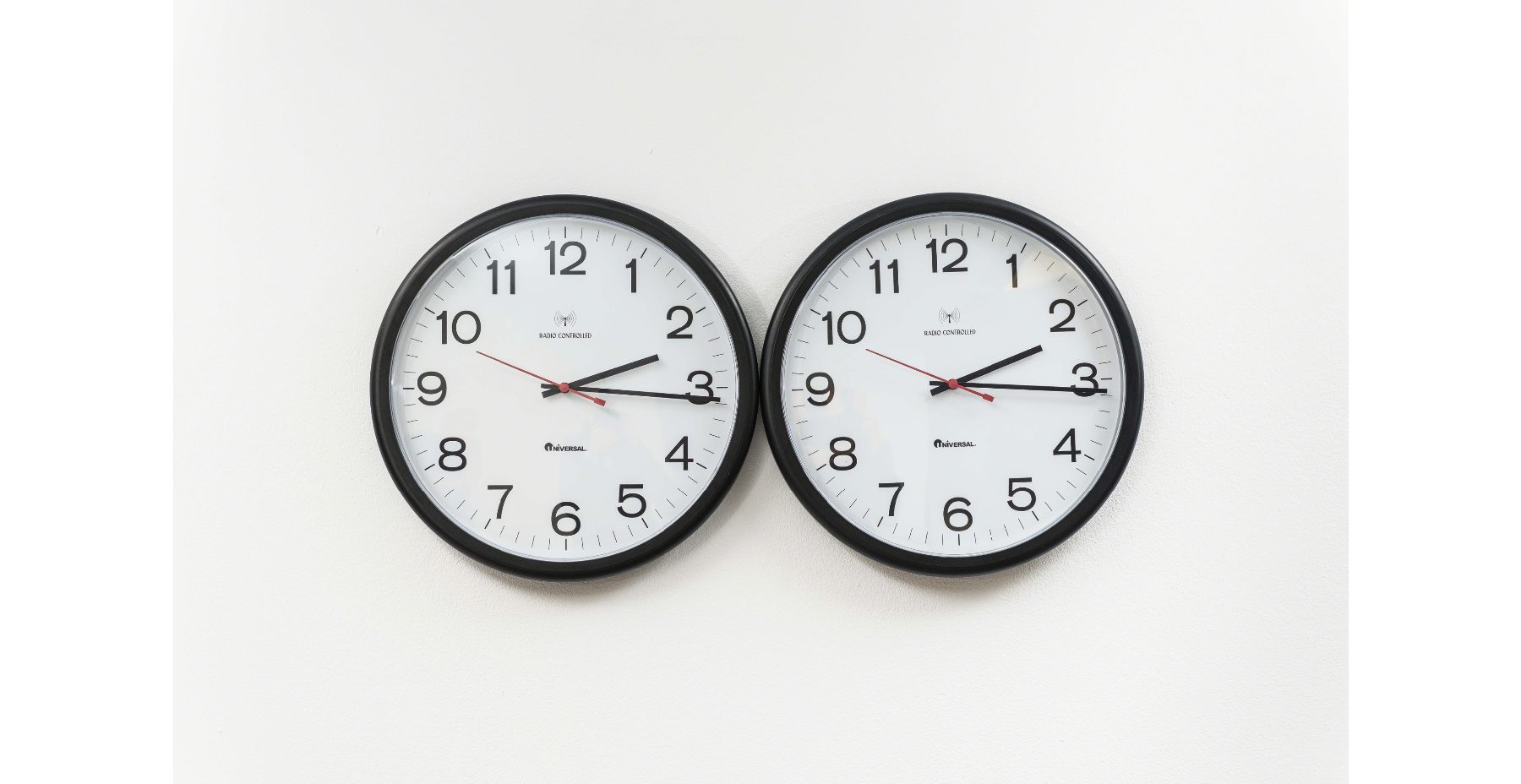
Mirror Image: The Flawed Symmetry of Duality "There's no symmetry in nature," the Impressionist painter Édouard Manet once observed. "One eye is never exactly the same as the other. There's always a difference." In art history, symmetry is traditionally used to show balance, order, and harmony. However, as Manet implies, perfection is a myth. This exhibition, Mirror Image, brings together five seminal works that use symmetrical frameworks not to celebrate order, but to expose human fracturing. By implementing mirrored compositions, these artists explore duality, parallel histories, and divergent identities. They demonstrate that within every mirrored artwork, a deliberate flaw or shift exists, a tense space that forces the viewer to introspect on trauma, systemic bias, and loss. The exhibition opens with Deborah Roberts’ diptych, Tomorrow, Tomorrow and Tomorrow (2023), which introduces the theme through a sharp socio-political critique. Roberts presents a mirrored repetition of a Black boy against contrasting white and black backgrounds. The parallel imagery creates an immediate visual balance, yet the sudden shift in his posture, from curious innocence to fearful recoil, shatters any sense of peace. This divergence creates an intense emotional tension, revealing how systemic bias transforms an innocent child into a perceived threat. Moving from the societal gaze to familial conformity, the exhibition transitions to Zhang Xiaogang’s Bloodline Series: The Big Family No. 2 (1995). Utilizing a rigid, symmetrical composition that mimics traditional Chinese studio photography, Xiaogang explores the erasure of individuality under political pressure. The parents and child sit in an unsettling stillness, their expressions flattened. However, the symmetry is disrupted by a vibrant yellow complexion on the child and faint, wandering red lines. These flawed elements expose the friction between state-mandated collectivism and private memory. The exhibition then shifts focus from political systems to the intimate tragedy of mortality with Felix Gonzalez-Torres’ Untitled (Perfect Lovers) (1991). This conceptual masterpiece relies entirely on mechanical symmetry, featuring two identical analog clocks ticking side-by-side. Initially synchronized, this perfect balance represents the equality of a partnership. Yet, the inevitable flaw is built into the machines themselves: as batteries fade, one clock will inevitably slow down and stop before the other. The breaking of this mechanical parallel beautifully captures the profound grief of loss. This profound internal grief expands into a visceral crisis of identity in Frida Kahlo’s The Two Fridas (1939). Kahlo anchors her self-portrait with a symmetrical balance, seating two versions of herself hand-in-hand. The structural harmony, however, masks a chaotic emotional reality. The divergent styling, in a European gown, the other in traditional Mexican attire, symbolizes a deeply fractured identity following her divorce. The symmetry ensures they remain bound to the same exposed, bleeding heart, emphasizing that she cannot separate these warring halves of her heritage. The journey concludes with Arshile Gorky’s The Artist and His Mother (c. 1926–1936), an artwork that serves as the ultimate culmination of memory and loss. Gorky uses a flat, photographic symmetry to freeze a final moment with his mother before her death during the Armenian Genocide. The deliberate flaw here is the erasing of the mother's hands into a white void of paint. This imperfection marks the tragic failure to fully reconstruct the dead, leaving the viewer to introspect on the ghostly nature of trauma. Together, these five masterpieces reveal that within the mirror of art, it is the imperfections that reflect our deepest truths.
Artworks
- Untitled (Perfect Lovers) (1991) — Felix Gonzalez-Torres, conceptual art Gonzalez-Torres’ piece is a masterclass in conceptual art, achieving profound emotional resonance through absolute minimalism. The judgment of this work rests on its brilliant transformation of ordinary, mass-produced household objects into a deeply moving metaphor for human mortality. By relying entirely on mechanical symmetry, the artist creates a literal representation of a synchronized, shared life. The inevitable flaw, the fact that the two clocks will naturally fall out of sync as their batteries die, is a stroke of genius. It successfully forces the viewer to sit with the quiet, devastating reality of the HIV/AIDS epidemic and the universal grief of being the partner left behind, making it an incredibly powerful and enduring masterpiece.
- Bloodline Series The Big Family No. 2 (1995) — Zhang Xiaogang, Painted This painting achieves monumental success through its masterful use of emotional restraint and psychological stillness. Rather than relying on overt political imagery or aggressive expressions to critique the hardships of the Cultural Revolution, Xiaogang intentionally uses a rigid, photographic symmetry that feels deeply off-putting. This aesthetic choice perfectly mirrors the crushing weight of state-mandated conformity. The artwork is beautifully executed because the subtle "flaws" in the symmetry, the wandering red bloodlines and the child’s glowing yellow skin, act as brilliant visual disruptions. It is a highly effective piece because it successfully captures a profound historical paradox: the tension between a calm, public face and the deeply buried trauma of a nation.
- Tomorrow, Tomorrow and Tomorrow (2023) — Deborah Roberts, Diptych Roberts’ diptych stands as a highly successful work of contemporary social critique because it brilliantly forces the viewer to confront their own subconscious biases. By utilizing a mirrored format, the artist creates a controlled aesthetic experiment where the only true variable is the background color and a subtle shift in body language. This structural choice is incredibly effective; it proves that the tension and perceived threat are not inherent to the child, but are entirely manufactured by the systemic racism of the outside world. The inclusion of the ghostly chalk lines in the dark panel elevates the piece from a simple portrait to a haunting institutional critique, successfully demanding that the audience introspect on how the white gaze criminalizes Black youth.
- The Two Fridas (Las dos Fridas) (1939) — Frida Kahlo, Painted Kahlo’s self-portrait is exceptionally executed because it uses a balanced, classical composition to ground a deeply chaotic emotional crisis. The success of the painting lies in how Kahlo weaponizes symmetry; instead of using it to create a sense of peace, she uses it to trap the viewer inside her fractured psyche. The divergent styling of the dresses perfectly visualizes her cultural alienation and heartbreak following her divorce. By connecting the two figures through a single, exposed vein that bleeds out onto her lap, Kahlo successfully communicates that her identities are permanently bound to the same suffering heart. It is a triumphant work of art because it masterfully balances beauty, anatomy, and raw vulnerability.
- The Artist and His Mother (1926) — Arshile Gorky, Painting Gorky’s painting is an incredibly powerful testament to the enduring weight of grief and historical trauma. The artwork is highly successful because it completely avoids sensationalized violence, choosing instead to channel the horror of the Armenian Genocide into a stiff, frozen, photographic composition. The deliberate flaws in the canvas, particularly the erasing of the mother's hands into a flat white void, are profoundly effective. These unfinished spaces perfectly capture the frustrating, painful failure of trying to reconstruct a faded memory of a deceased loved one. Gorky successfully creates a haunting, ghost-like atmosphere that forces the viewer to introspect on the pain of exile, making the painting a deeply moving monument to loss.
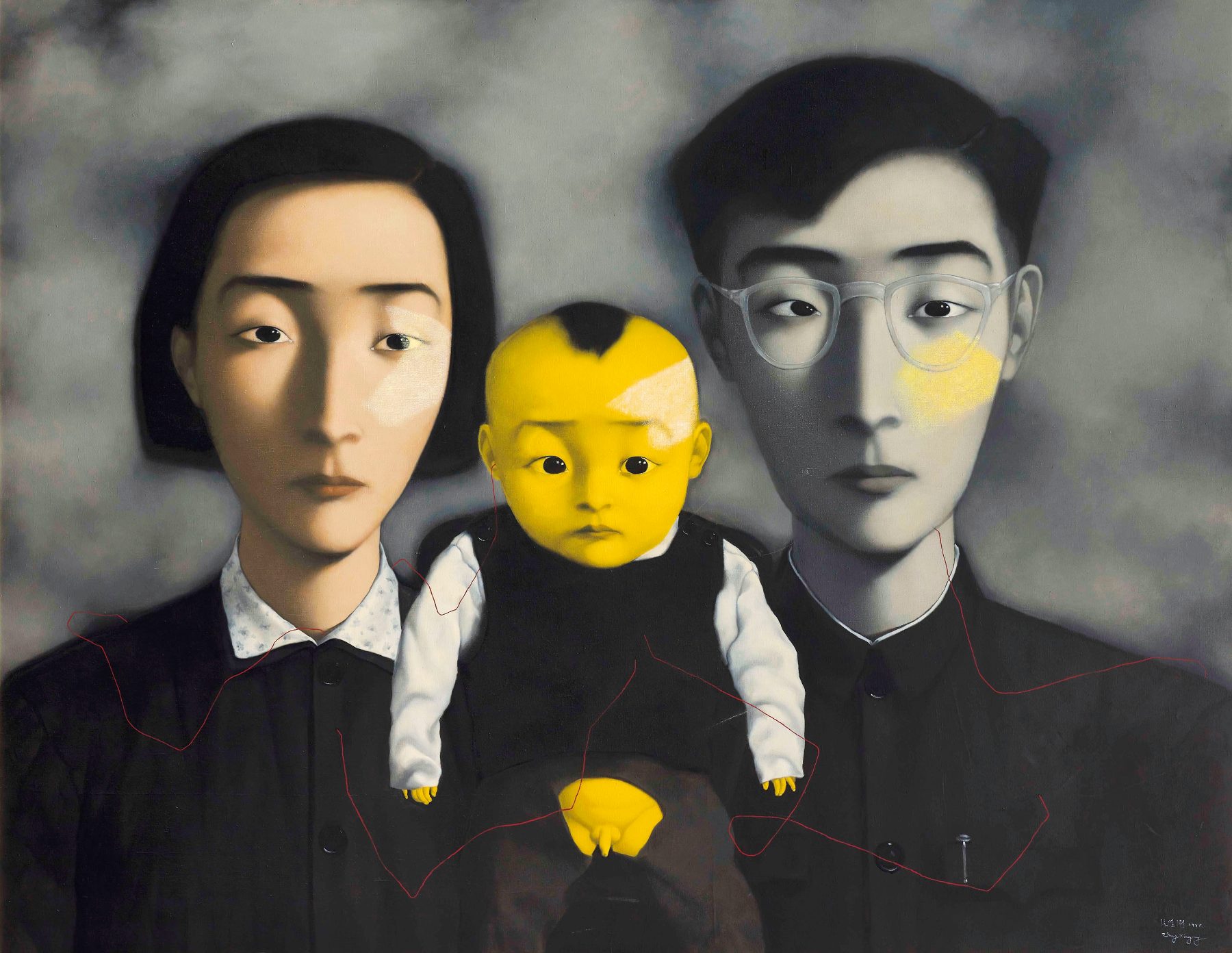
Bloodline Series The Big Family No. 2
1995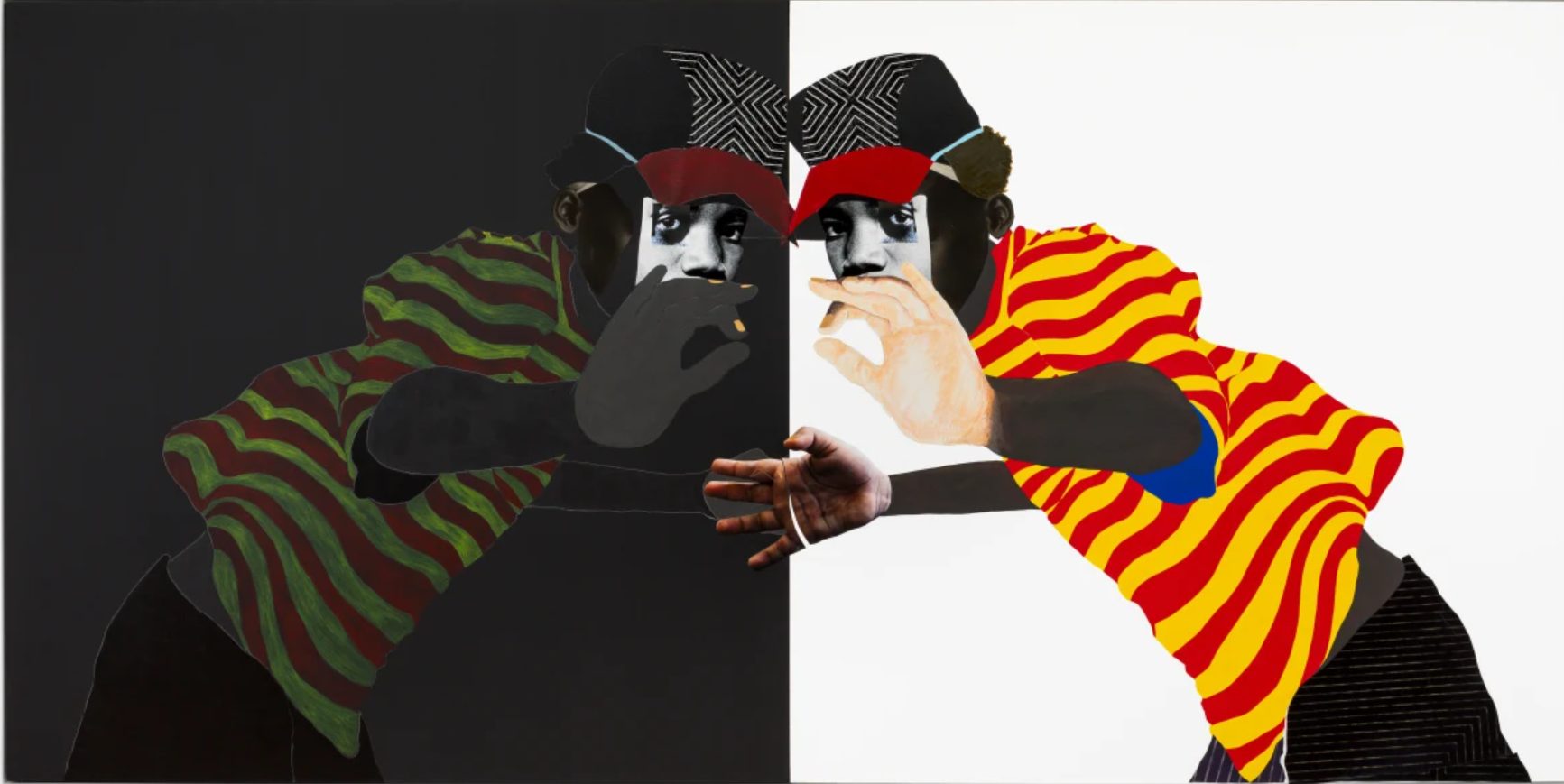
Tomorrow, Tomorrow and Tomorrow
2023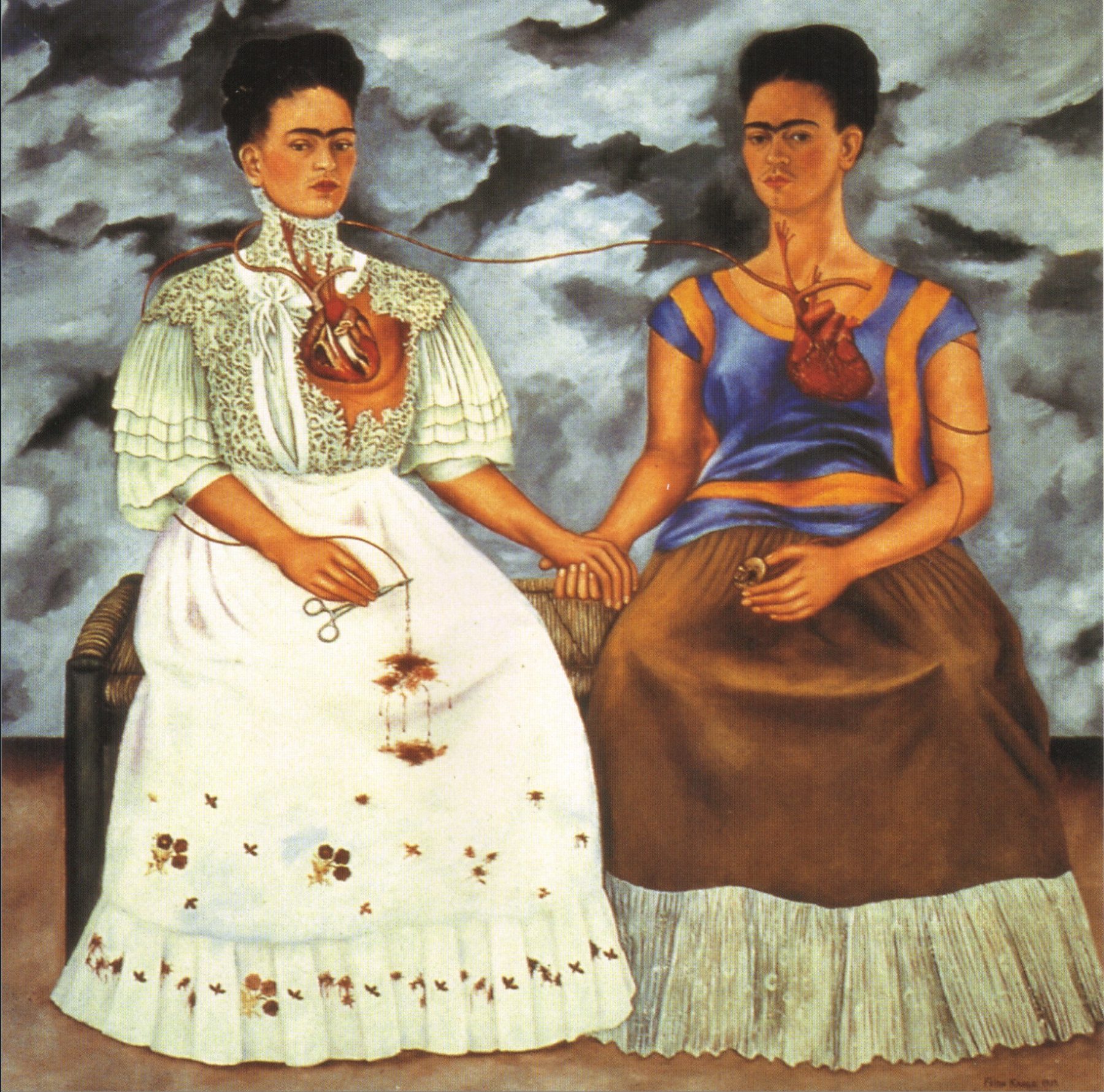
The Two Fridas (Las dos Fridas)
1939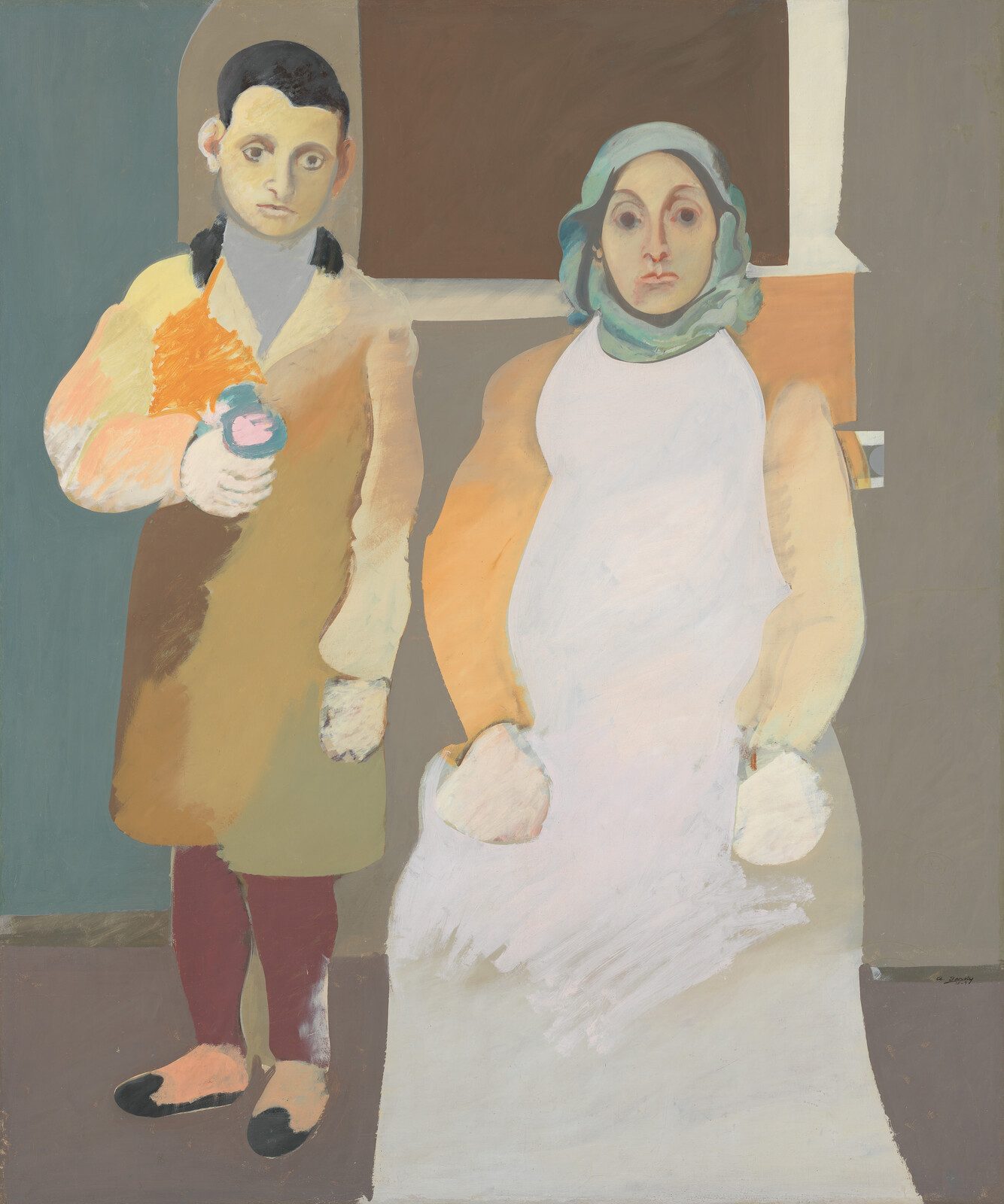
The Artist and His Mother
1926Immersive Experience
Walk through this gallery in 3D
Step inside a virtual gallery space. Walk up to each artwork. See them as they were meant to be seen.
React to this gallery
Guestbook
Sign in to leave a comment.
Loading…
Galerra
Create your own exhibition
Upload your work and we build a walkable 3D show in about a minute. Free to start.