

More Than a First Look: Hidden Stories and Symbols
Artworks
- Self-Portrait with Thorn Necklace and Hummingbird, 1940, Frida Kahlo. Oil on canvas. (2026) — Kahlo places herself directly in the center, surrounded by thorns, animals, and a dark natural background. Even though her expression is calm, the painful details around her make the portrait feel tense and uncomfortable. Her direct gaze and recognizable features, including her unibrow, keep the focus strongly on her identity. Because Kahlo often connected her paintings to her own experiences, the symbols around her feel personal instead of decorative. The contrast between her controlled expression and the signs of pain around her gives the portrait a deeper emotional impact and shows how strength and suffering can exist together. This makes the painting fit More Than a First Look because Kahlo’s calm appearance hides a deeper story of pain, identity, and strength.
- American Gothic, 1930, Grant Wood. Oil on beaverboard (2026) — The serious mood in American Gothic comes from more than just the expressions on the two figures. Their plain clothing, the pitchfork, and the farmhouse all connect to ideas about work, family roles, and rural tradition. Wood also repeats strong vertical lines, which makes the composition feel stiff and controlled. What makes the painting more interesting is that the relationship between the two people is not completely obvious, so viewers can read the scene in different ways. With its simple setting and careful details, the painting becomes more than a portrait of two rural people, which connects to my exhibition theme by showing how a first look can hide deeper ideas about American identity and tradition.
- Yo Mama, 2003, Wangechi Mutu. Ink, mica flakes, acrylic, pressure-sensitive film, cut-and-pasted printed paper, and painted paper on paper. (2026) — Yo Mama shows Funmilayo Anikulapo-Kuti, a Nigerian woman who fought for women’s rights, as the strongest figure in a strange and dramatic scene. The soft pink background, dark figure, long snake, repeated shapes, and movement across both panels make the artwork feel active and tense. Knowing who Funmilayo was gives the image more meaning and connects it to women’s rights and resistance. Instead of making a normal portrait, Mutu mixes history with fantasy and symbols, which makes the figure look powerful and larger than life. I chose Yo Mama for this exhibition because the meaning changes once you know the story behind it. At first, the image may just look strange or unusual, but learning about Funmilayo helps the viewer see ideas about resistance, identity, women’s rights, and power.
- Beautiful Mind, 2020, Devona Stimpson. Acrylic, latex, spray paint, and diamond dust on canvas. (2026) — Beautiful Mind shows a woman surrounded by bright colors, layered shapes, and abstract details. Her face stays calm and centered, while the area around her head feels more active and expressive. The contrast between the realistic portrait and the abstract parts helps connect the outside appearance of the woman with the thoughts and emotions happening inside her mind. The warm and cool colors, repeated lines, and movement also make the piece feel energetic while still keeping the woman as the main focus. Knowing that Devona Stimpson often combines realistic portraits with abstract elements makes these choices feel intentional. Together, the visual details and the subject suggest that there can be much more happening inside a person than what we first see on the outside, which makes Beautiful Mind a strong fit for my exhibition theme.
- Relax After Work, 2020, Nina Chanel Abney. Collage on panel. (2026) — Relax After Work shows an everyday indoor scene, but the bright colors, simple shapes, and serious expressions make it feel more complicated than it first appears. The repeated stripes and balanced arrangement keep the composition organized, while the woman looking through the window and the magazine on the floor add tension and mystery. Knowing that Abney often uses everyday scenes to address race, media, and social issues gives these details more importance. Instead of showing a simple moment of relaxation, the artwork leaves questions about relationships, race, and what may be happening behind the scene. The combination of ordinary objects and hidden tension makes this artwork fit my exhibition because it encourages the viewer to look beyond the first impression and think about the deeper story behind the scene.
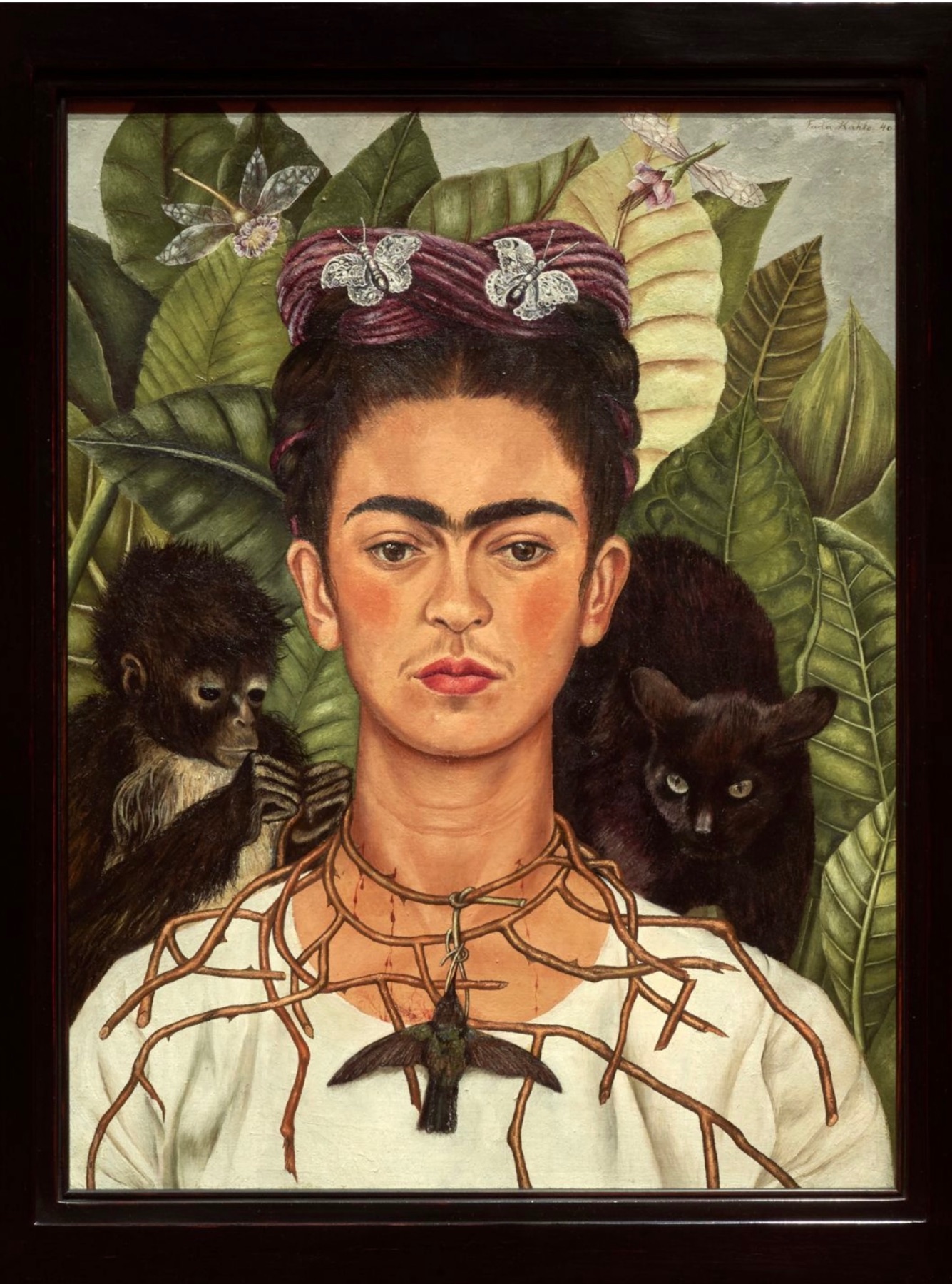
Self-Portrait with Thorn Necklace and Hummingbird, 1940, Frida Kahlo. Oil on canvas.
2026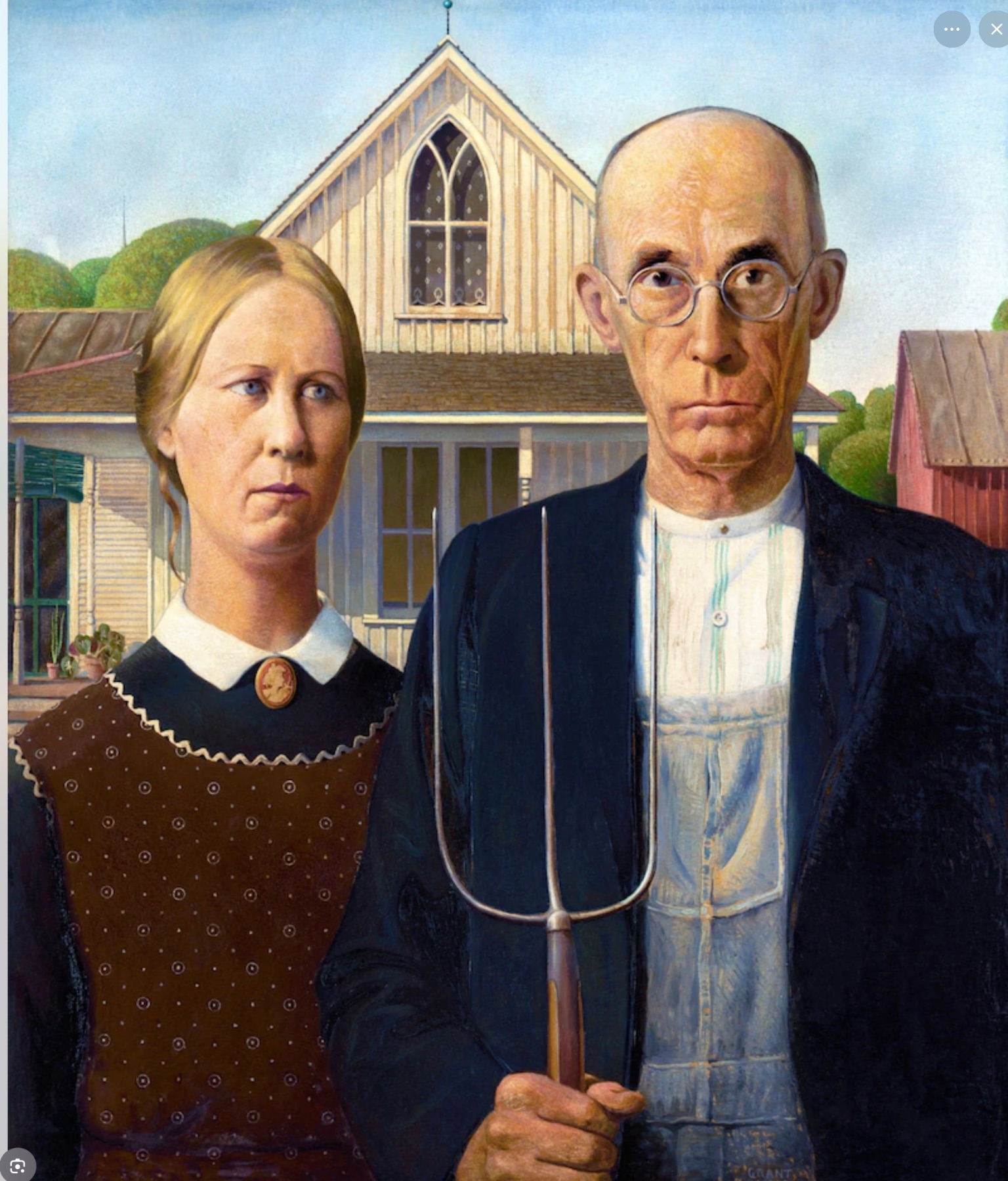
American Gothic, 1930, Grant Wood. Oil on beaverboard
2026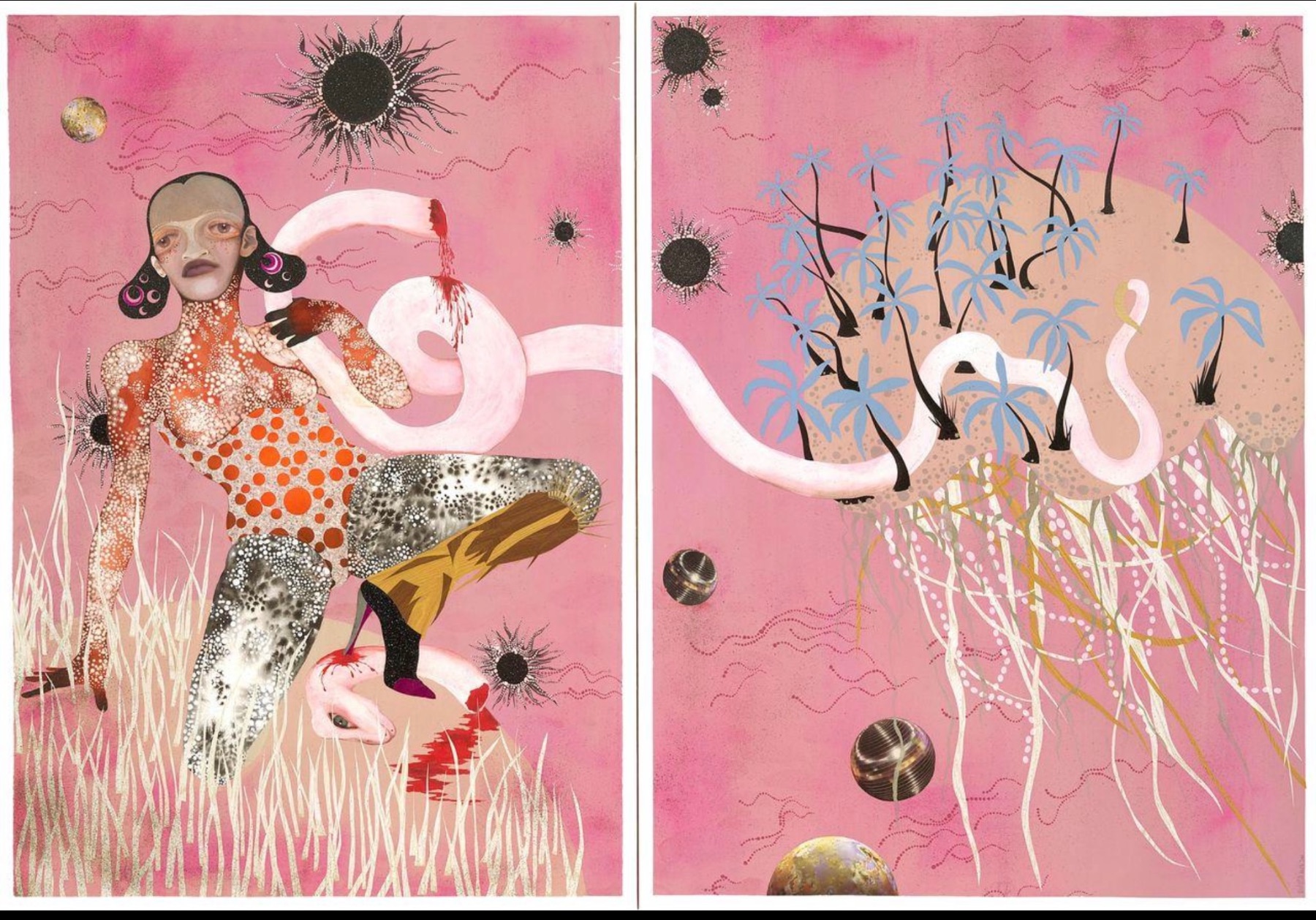
Yo Mama, 2003, Wangechi Mutu. Ink, mica flakes, acrylic, pressure-sensitive film, cut-and-pasted printed paper, and painted paper on paper.
2026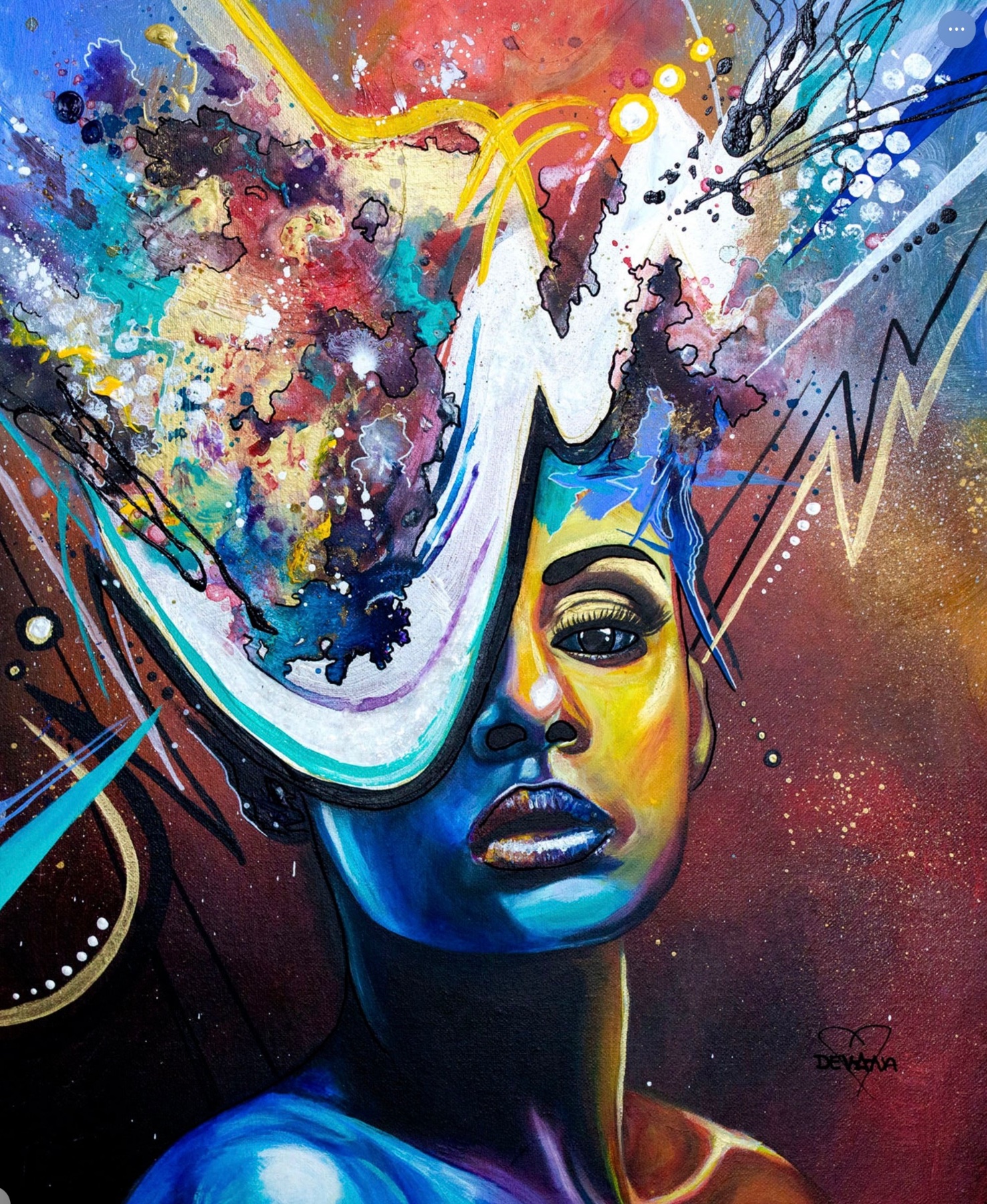
Beautiful Mind, 2020, Devona Stimpson. Acrylic, latex, spray paint, and diamond dust on canvas.
2026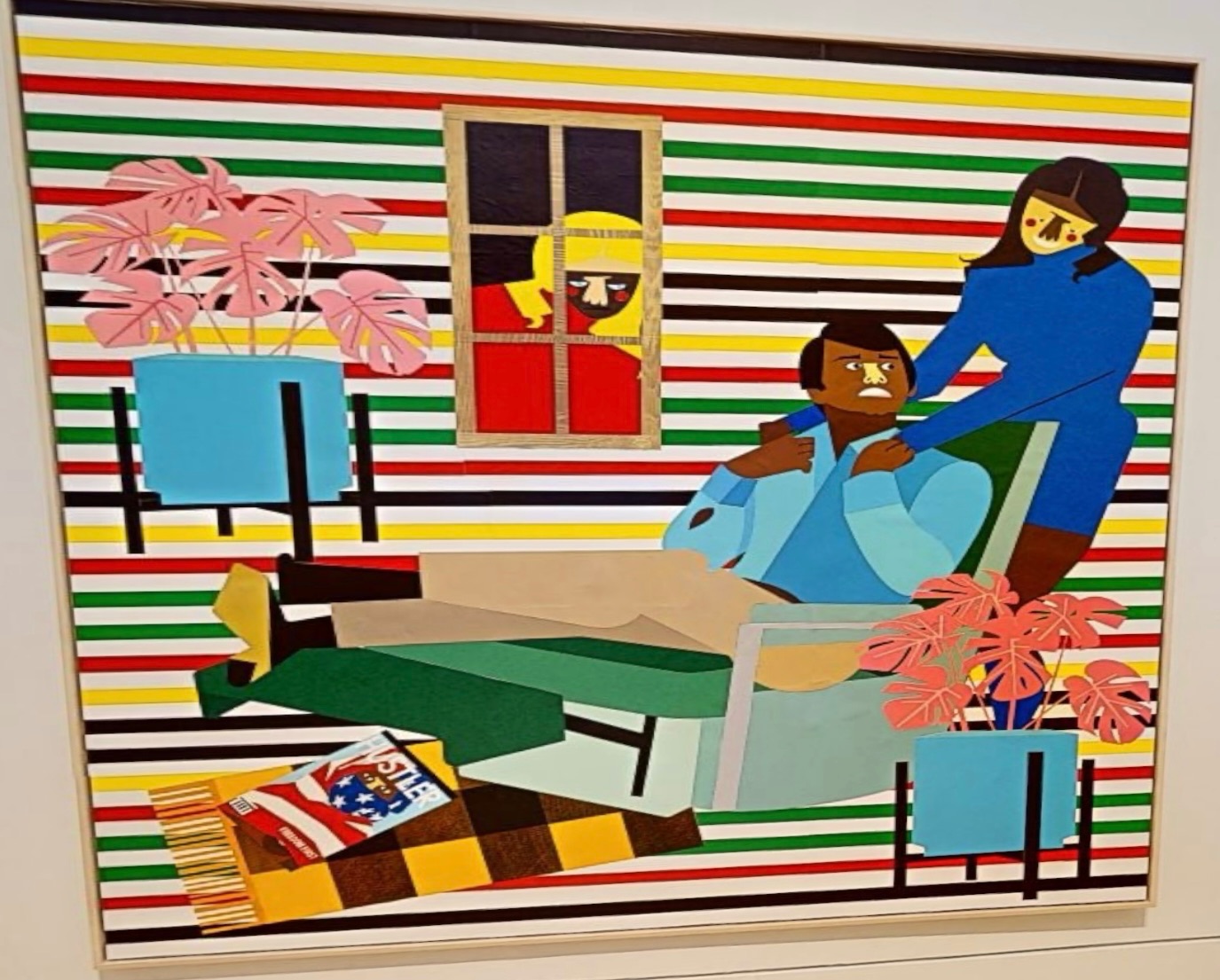
Relax After Work, 2020, Nina Chanel Abney. Collage on panel.
2026Immersive Experience
Walk through this gallery in 3D
Step inside a virtual gallery space. Walk up to each artwork. See them as they were meant to be seen.
React to this gallery
Guestbook
Sign in to leave a comment.
Loading…
Galerra
Create your own exhibition
Upload your work and we build a walkable 3D show in about a minute. Free to start.