

Remembering, Resisting, Reclaiming
My exhibition explores how artists represent Black experiences through memory, resistance, and self-representation. The artworks I have chosen represent a journey from the historical violence of slavery to contemporary expressions of identity, resilience, and cultural presence. Together, these works demonstrate how Black artists challenge erasure while reclaiming visibility and humanity across the African diaspora. Cultural critic bell hooks argued that "representation is a crucial location of struggle." This exhibition uses that idea to examine how visual art can challenge historical erasure and create new understandings of Black identity. The selected works reveal how artists use representation as a tool for remembrance, resistance, and empowerment. My exhibition is organized chronologically and conceptually. It begins with Punição de Escravos, which establishes the historical realities of slavery and colonial violence that shaped the African diaspora. The Problem We All Live With then shifts to the Civil Rights Movement and the struggle for equality. Flipside explores the complexities of representation and identity, questioning how Blackness is viewed and understood. Past Times reclaims Black visibility through images of joy and community, while No Woman, No Cry concludes my exhibition with themes of memory, mourning, and resilience. These artworks work together to demonstrate the ongoing process of remembering historical injustices, resisting oppression, and reclaiming identity.
Artworks
- Past Times by Kerry James Marshall (1997) — This artwork stands out because Marshall uses scale, composition, and color to emphasize everyday Black life in a way that fills the entire canvas. The large size of the painting and the dense arrangement of figures make the park scene feel active and full, guiding the viewer’s eye across different interactions happening at once. The contrast between the dark skin tones and the bright background ensures that the figures remain the main focus throughout the composition. Created in response to the lack of Black representation in Western art history, the painting intentionally places Black figures in a leisure setting that has often been excluded from traditional museum imagery. By showing boating, music, sports, and social gathering in a single scene, the artwork expands what is typically shown in representations of Black life and emphasizes the variety of everyday experiences within the composition itself.
- Flipside by Lorna Simpson (1989) — This artwork is significant because Simpson uses two nearly identical photographs and deliberately hides the subject's face, which challenges the way portraits are usually meant to reveal a person's identity. The repetition and symmetry encourage viewers to look closely, but the limited visual information prevents them from making easy assumptions about the subject. The black-and-white photographs create a serious tone, while the accompanying text adds another layer of interpretation without providing a complete explanation. Created during a period when many artists were questioning traditional representations of race and gender, the work reflects Simpson's interest in how identity is constructed and understood. By showing only the back of the woman's head and neck, the artwork draws attention to what is missing as much as what is visible, encouraging viewers to reconsider how they interpret and define others.
- The Problem We All Live With by Norman Rockwell (1964) — This artwork is significant because Rockwell uses composition and symbolism to focus attention on Ruby Bridges and the challenges she faced. By placing her at the center of the painting and dressing her in white, he emphasizes her innocence while contrasting her with the racist graffiti and smashed tomato behind her. The decision to crop the federal marshals so that only parts of their bodies are visible keeps the viewer's attention on Ruby rather than the authority figures surrounding her. Created during the Civil Rights Movement, the painting reflects the tensions of school desegregation while documenting a real historical event. Through these visual choices, Rockwell presents Ruby not as a larger-than-life hero but as a young girl confronting racism, which helps viewers understand both the hostility she faced and the courage required to continue walking into that school.
- No Woman, No Cry by Chris Ofili (1998) — This painting stands out because Ofili uses a combination of color, texture, and symbolism to connect the figure’s emotional expression with the narrative contained within the image. The woman’s face is shown in close-up, filling most of the canvas, which immediately draws attention to her tears. Inside the tears, the repeated small images of Stephen Lawrence shift the focus between the individual moment of grief and the wider impact of his death. The bright decorative background contrasts with the seriousness of the subject, creating tension within the composition between visual beauty and emotional loss. Created in response to the murder of Stephen Lawrence in 1993 and the broader issue of racial violence in Britain, the painting uses layered imagery to link personal grief with collective memory. The combination of scale, symbolism, and repetition keeps the viewer moving between the emotional expression of the figure and the historical reference embedded in the tears.
- Punição de Escravos by Jacques Étienne Arago (1830) — This artwork is significant because Arago combines a detailed and realistic depiction of punishment with careful composition to make the viewer focus on the enslaved person at the center of the scene. The figures surrounding the punishment create tension and emphasize the unequal power relationship between the enslaved people and those enforcing the punishment. Since Arago was documenting scenes he observed while traveling in Brazil, the lithograph also serves as a visual record of a society where slavery was legally accepted and enforced through violence. Rather than showing slavery as an abstract historical issue, the artwork presents a specific moment of punishment that reveals how control was maintained within the system. The combination of realistic detail, composition, and historical context makes the image an important document of the experiences of enslaved Black people in nineteenth-century Brazil.
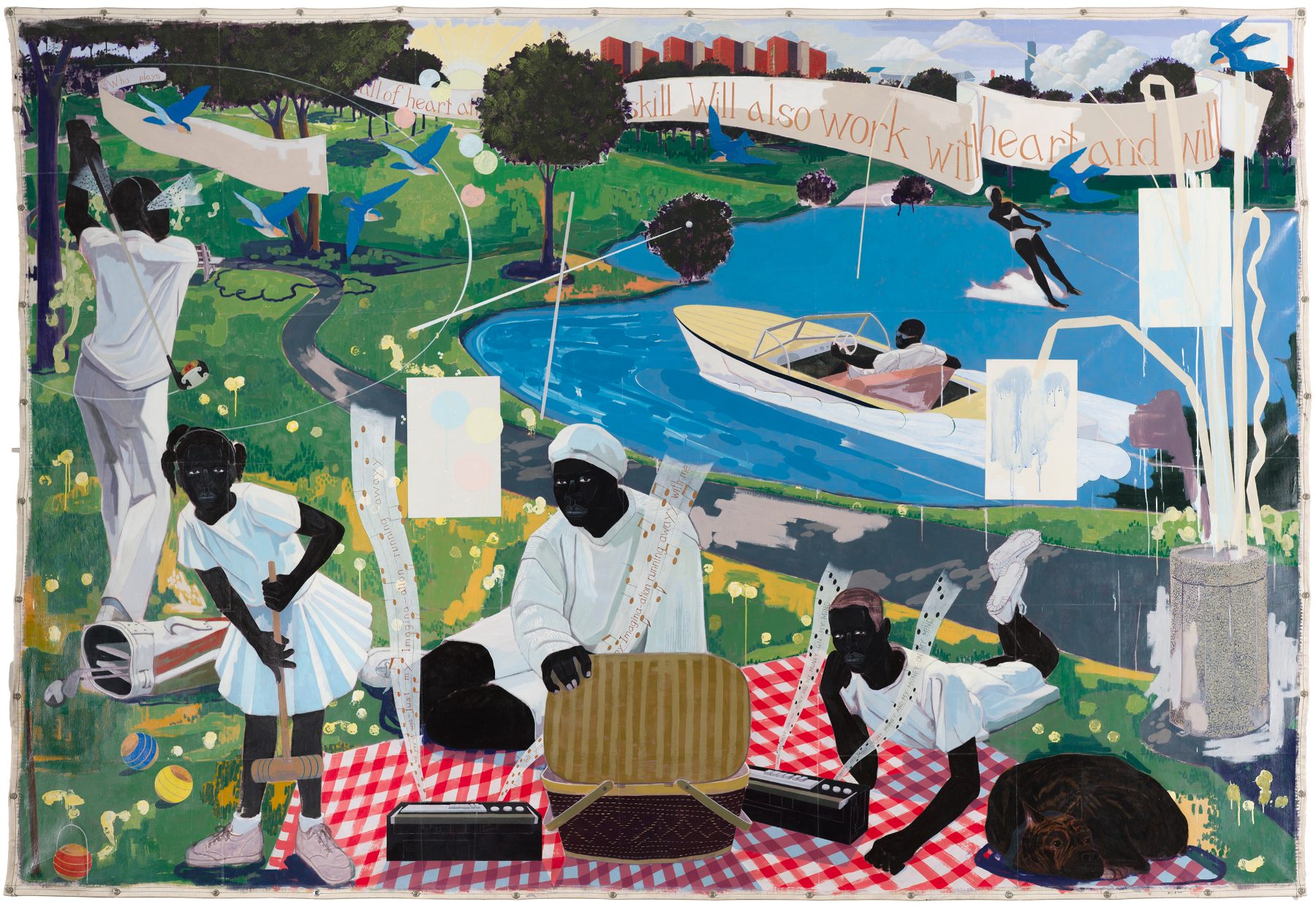
Past Times by Kerry James Marshall
1997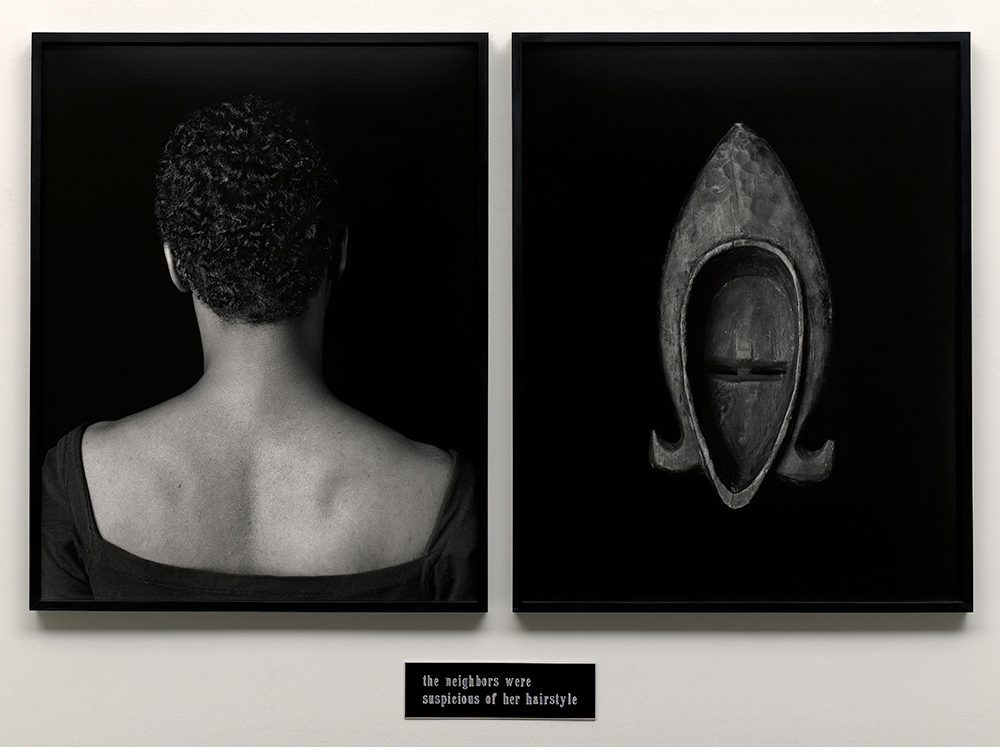
Flipside by Lorna Simpson
1989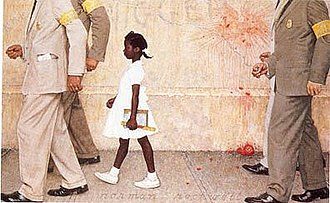
The Problem We All Live With by Norman Rockwell
1964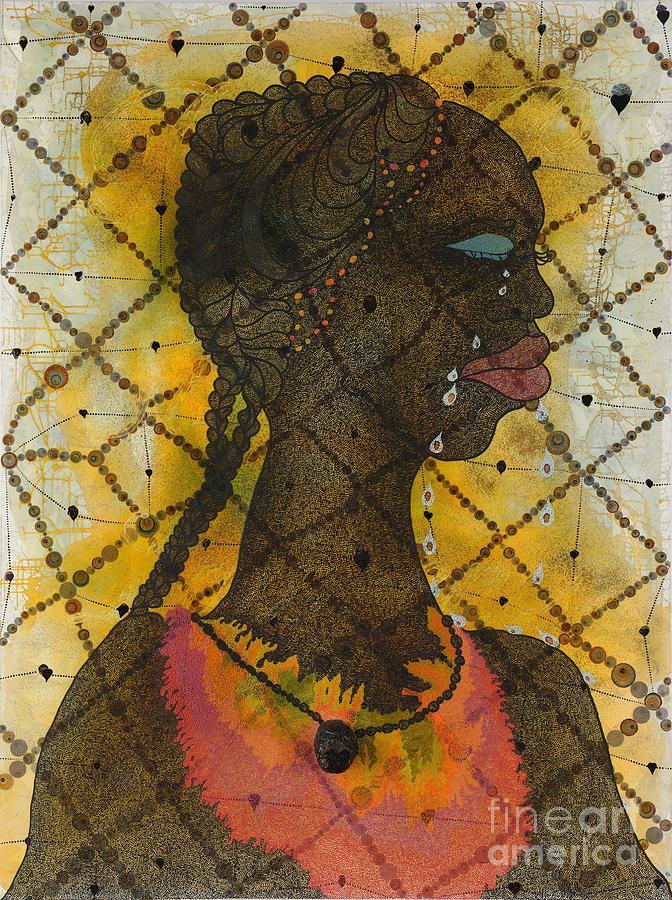
No Woman, No Cry by Chris Ofili
1998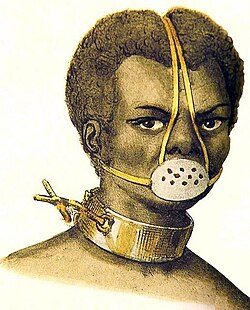
Punição de Escravos by Jacques Étienne Arago
1830Immersive Experience
Walk through this gallery in 3D
Step inside a virtual gallery space. Walk up to each artwork. See them as they were meant to be seen.
React to this gallery
Guestbook
Sign in to leave a comment.
Loading…
Galerra
Create your own exhibition
Upload your work and we build a walkable 3D show in about a minute. Free to start.