

Unburying Sovereignty: Material Memory and Modern Resistance
For this curation, I want to explore how Native American and First Nations artists subvert traditional crafts, everyday material culture, and historical artistic styles to assert Indigenous sovereignty and cultural resilience. Instead of accepting historical stereotypes or romanticized myths created by settler-colonial culture, I want Native identity to be actively reclaimed through material resistance and personal storytelling. One of the reflections that guide this concept is: How can artists use physical objects, traditional methods, and land interventions to reclaim histories that were erased? “Visual sovereignty is the right of Indigenous peoples to represent our own lives, histories, and futures on our own terms, confronting and dismantling the romanticized myths created by settler-colonial culture” – Jolene Rickard I want the exhibit to take viewers on a specific journey. It starts with Jaune Quick-to-See Smith, using maps and collage to call out how Indigenous land was stolen and erased. Next is Kent Monkman, who pivots to historical intervention, using classical European painting techniques to expose the brutal reality of residential schools and forced child removal. Then, Jeffrey Gibson brings in bright colors and beadwork to show living, modern Native identity instead of just focusing on past traumas. Marie Watt shifts things to community memory using stacked wool blankets that hold generations of personal stories. Finally, Nicholas Galawin wraps up the exhibit by digging a trench that buries the shadow of colonial monuments, leaving an open future for Native art. Jaune Quick-to-See Smith: Smith uses map outlines, news collage, and hanging trinkets to challenge how Indigenous land was stolen and commercialized. It confronts historical land loss and the fake “souvenirs” settlers created to reduce Native identity. Kent Monkman: Monkman pivots to historical intervention, enters traditional European history painting styles to address the real trauma of re
Artworks
- Kent Monkman (Fisher River Cree Nation), The Scream, 2017. Acrylic paint on canvas; 84 x 132 in. Denver Art Museum: Native Arts acquisition funds, pur (2026) — The Scream (2017) shows police officers and priests forcibly taking Indigenous children away from their grieving mothers on a reserve. The dramatic diagonal composition combined with high contrast lighting and emotional expression draws the viewer’s attention to the center, which is the violent struggle, emphasizing the terrifying identity of forced separation. Kent Monkman is a Cree artist who created this artwork in 2017 to address the history and trauma of residential school system that is designed to erase Native culture. With all of this, the goal of this piece was to expose the deep emotional trauma caused by assimilation policies while challenging how classical European art history has historically glorified colonial empires.
- Jeffry Gibson, What Do You Want? When Do You Want It?, 2016. (2026) — The sculpture shows a figure like form on a wooden frame draped in long cascading fringe, with colorful textiles and beaded text. This combination of bright geometric patterns, long sweeping fringe, and high contrast colors draws the viewer’s attention to the beaded words, turning the traditional design into a loud, visual voice. Jeffrey Gibson is a Choctaw and Cherokee artist who creates this piece to combine traditional Indigenous crafts like beadwork with modern pop culture lyrics and queer aesthetics to show continuity. With all of this, the overall goal of this artwork was to assert tribal sovereignty and reclamation, using traditional methods to express modern indigeneity and resilience.
- Marie Watt, Blanket Stories: Transportation Object, Generous Ones, Trek, 2014. Bronze with patina, 18 ft. high. (2026) — Blanket Stories shows a tall, vertical tower made of folded wool blankets stacked on top of each other. The repeating horizontal layers and varied materiality of the worn fabrics draw viewer’s attention upward, using the physical weight of stacked textiles to represent accumulated community memory. Marie Watt is a Seneca artist who gathers donated blankets with personal story tags to highlight cultural continuity and shared history. With all of this, the overall goal of this piece was to perform an act of cultural reclamation and asserting modern indigeneity by transforming everyday objects into a powerful monument of living Indigenous heritage.
- Jaune Quick-to-See Smith, Trade (Gifts for Trading Land with White People), 1992, oil paint and mixed media, collage, objects, canvas, 152.4 x 431.8 c (2026) — Jane Quick-to-See Smith builds a huge three panel painting featuring a raw outline of canoe floating over newspaper clippings, old photos, and dripping red paint, with a clothesline hanging cheap sports gear and toy Native souvenirs right above it. The strong horizontal line of the canoe combined with the bold, primary red paint drips creates a high contrast focus on the center of the canvas, drawing viewer’s attention to how dripping paints overlaps historical news print to show the impact of colonization. Smith created this piece in 1992 to address land theft, and unfair treatment of the Native American people. The goal of this artwork is to ask a question: can a culture be reduced to plastic souvenirs, or does the spirit of sovereign nations overflow past the borders white settlers drew on maps?
- Nicholas Galanin, Shadow on the land, an excavation and bush burial, 2020. (2026) — Shadow on the land, an excavation and bush burial shows a dig site shaped like the shadow of Captain Cook monument, complete with shovels, dirt mounds, and barrier fences. The sharp contrast between the raw, exposed dark earth and the bright green lawn draw focus to the void cut into the land. Nicholas Galanin is a Lingit and Unangax artist who dug this trench in Australia to address the ongoing history impact of colonial monument and land theft. With all of this, the overall goal of this pieces was to assert Indigenous sovereignty and indigeneity, Galanin excavated the hidden colonial truths while honoring the history of Indigenous lands.
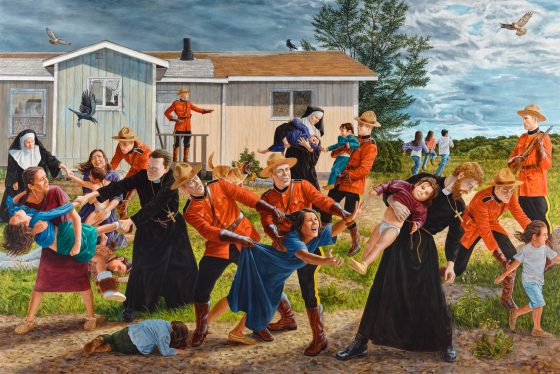
Kent Monkman (Fisher River Cree Nation), The Scream, 2017. Acrylic paint on canvas; 84 x 132 in. Denver Art Museum: Native Arts acquisition funds, pur
2026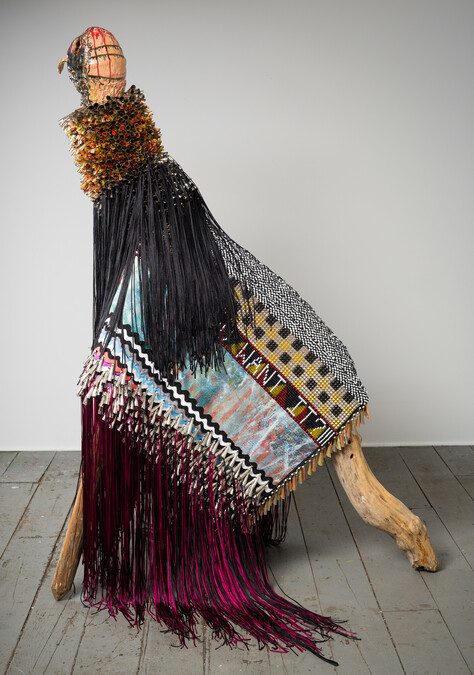
Jeffry Gibson, What Do You Want? When Do You Want It?, 2016.
2026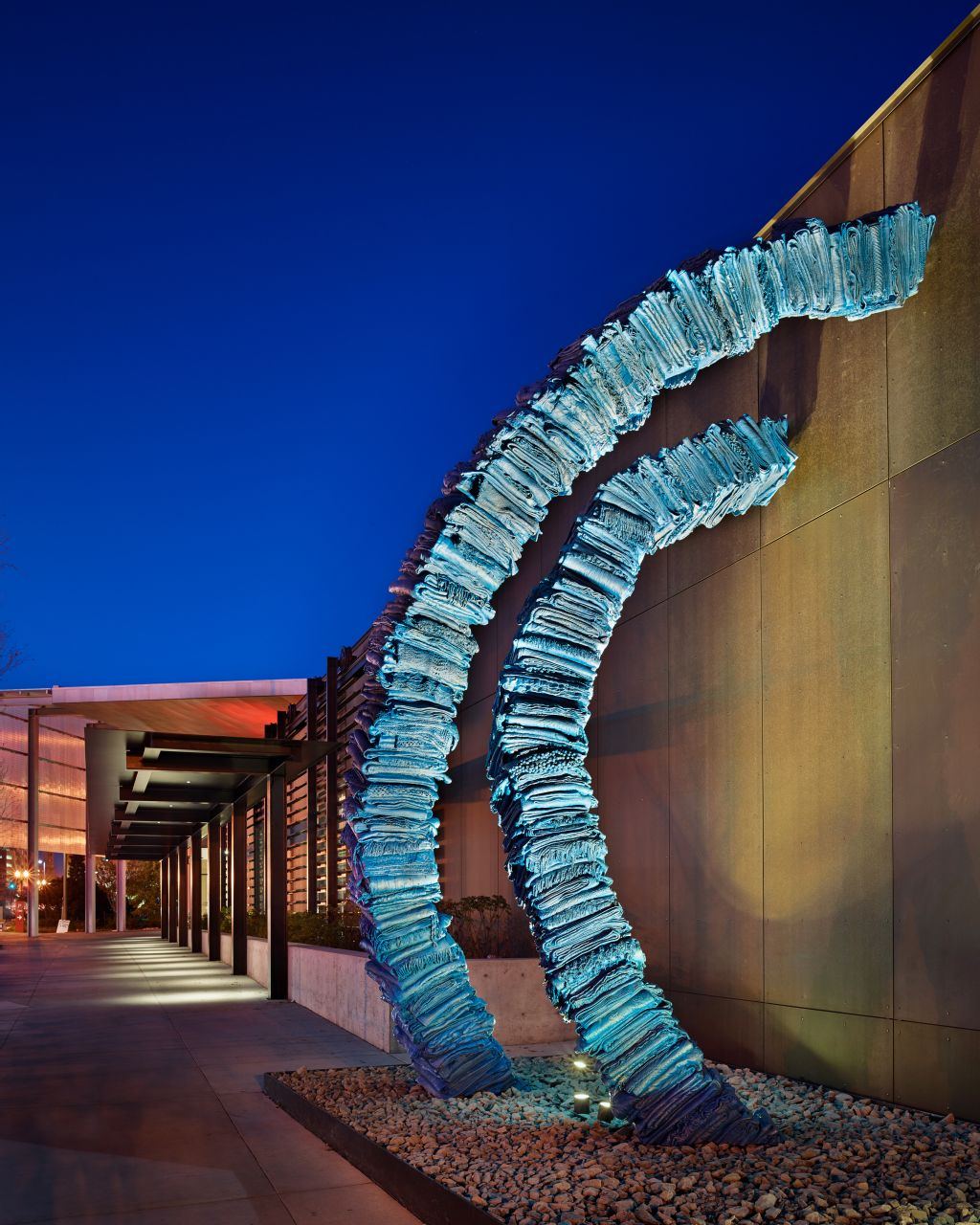
Marie Watt, Blanket Stories: Transportation Object, Generous Ones, Trek, 2014. Bronze with patina, 18 ft. high.
2026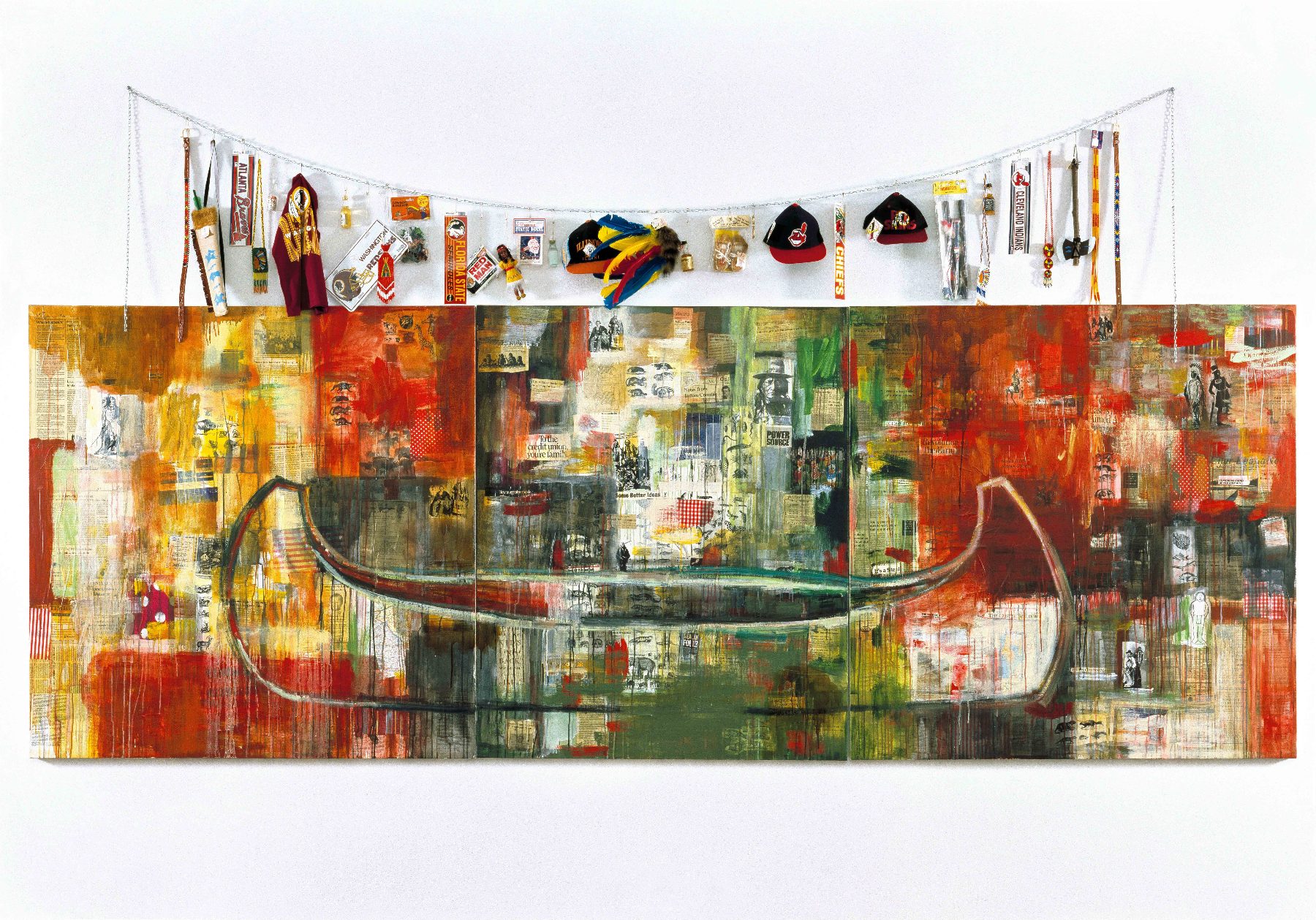
Jaune Quick-to-See Smith, Trade (Gifts for Trading Land with White People), 1992, oil paint and mixed media, collage, objects, canvas, 152.4 x 431.8 c
2026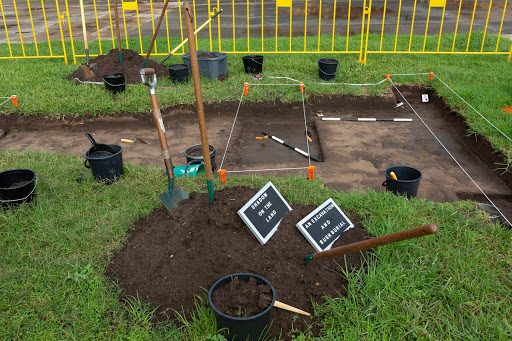
Nicholas Galanin, Shadow on the land, an excavation and bush burial, 2020.
2026Immersive Experience
Walk through this gallery in 3D
Step inside a virtual gallery space. Walk up to each artwork. See them as they were meant to be seen.
React to this gallery
Guestbook
Sign in to leave a comment.
Loading…
Galerra
Create your own exhibition
Upload your work and we build a walkable 3D show in about a minute. Free to start.