Inessa Dmitruk's 3D Art Galleries on Galerra

Inessa Dmitruk has 1 public gallery with 1 total views on Galerra.

Galleries by Inessa Dmitruk

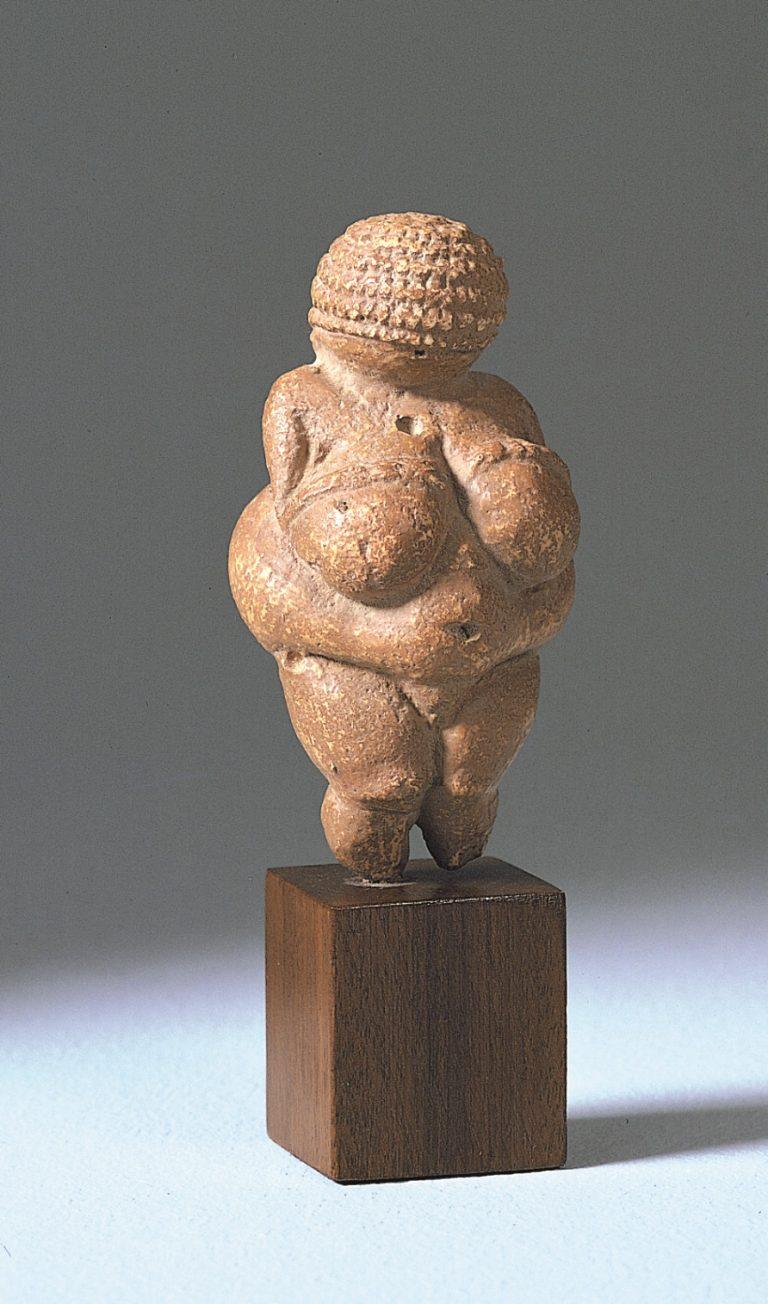
  • The Mold: Women Shaped by Expectation — In this gallery, I want to highlight what it means to be a woman in today’s society and how those expectations have existed for centuries. Each artwork shows a different stage of womanhood and the emotional and physical pressures attached to it. I chose works that carry feelings of vulnerability, exhaustion, constraint, and grief. The exhibition follows a progression from childhood innocence into pressure from society, mental exhaustion, marriage, and motherhood. Together, these works show how women are shaped, confined, and emotionally consumed by expectations that have been instilled into society for centuries. Jo March in Little Women (2019) expresses, “Women have minds and they have souls as well as just hearts. They’ve got ambition and they’ve got talent as well as just beauty. I am so sick of people saying that love is just all a woman is fit for. I’m so sick of it! But — I am so lonely.” The first half of this quote connects to ambition and the desire to be seen as more than beauty, marriage, and motherhood. The second half reveals emotional isolation that can come from resisting those expectations. Even when women push against the mold society creates for them, they can still end up exhausted by it and left grieving the identity they could have had. I plan to begin the gallery with artwork that represents the physical mold women are expected to fit into from the beginning of history. The Venus of Willendorf is a small prehistoric sculpture with exaggerated breasts, hips, and a rounded stomach, while the face lacks any defining features. It represents the reduction of women to fertility and childbearing, with little individuality. This connects to my concept of women being shaped by expectation rather than seen as full individuals. From there, the exhibition transitions into childhood and adolescence. Little Fourteen-Year-Old Dancer by Edgar Degas shows a young dancer standing upright with pride and poise, wearing a bodice and tutu, yet her expression and posture also suggest exhaustion. It reflects the pressure young girls face to appear graceful, disciplined, and perfect, showing how early women begin to mold themselves into societal expectations. The middle of the gallery focuses on emotional and physical exhaustion. The Broken Column by Frida Kahlo shows her standing upright, her body split open and held together by a crumbling column and restrictive corset. It captures both suffering and strength, reflecting the hidden exhaustion women often carry while still being expected to remain composed. The exhibition then moves into marriage and the loss of individuality. The Bride by Gustav Klimt shows a bride absorbed into swirling color, crowded figures, and fragmented forms, becoming part of the chaos rather than standing apart. It reflects the pressure of marriage and the loss of individuality within societal roles. The final artwork focuses on motherhood and quiet grief. The Child’s Bath by Mary Cassatt shows a mother washing her child’s feet in a muted, patterned domestic scene. The subdued colors suggest emotional exhaustion and routine. It reflects how women can lose parts of their identity through constant caregiving. Together, these works complete a progression showing how women are shaped over time by expectation. (1 views)
Artist · @Inessa Dmitruk1 gallery
Inessa Dmitruk

Inessa Dmitruk

1
Galleries
1
Total Views
0
Followers
All Works
1 Gallery
The Mold: Women Shaped by Expectation
See Artworks

The Mold: Women Shaped by Expectation

In this gallery, I want to highlight what it means to be a woman in today’s society and how those expectations have existed for centuries. Each artwork shows a different stage of womanhood and the emotional and physical pressures attached to it. I chose works that carry feelings of vulnerability, exhaustion, constraint, and grief. The exhibition follows a progression from childhood innocence into pressure from society, mental exhaustion, marriage, and motherhood. Together, these works show how women are shaped, confined, and emotionally consumed by expectations that have been instilled into society for centuries. Jo March in Little Women (2019) expresses, “Women have minds and they have souls as well as just hearts. They’ve got ambition and they’ve got talent as well as just beauty. I am so sick of people saying that love is just all a woman is fit for. I’m so sick of it! But — I am so lonely.” The first half of this quote connects to ambition and the desire to be seen as more than beauty, marriage, and motherhood. The second half reveals emotional isolation that can come from resisting those expectations. Even when women push against the mold society creates for them, they can still end up exhausted by it and left grieving the identity they could have had. I plan to begin the gallery with artwork that represents the physical mold women are expected to fit into from the beginning of history. The Venus of Willendorf is a small prehistoric sculpture with exaggerated breasts, hips, and a rounded stomach, while the face lacks any defining features. It represents the reduction of women to fertility and childbearing, with little individuality. This connects to my concept of women being shaped by expectation rather than seen as full individuals. From there, the exhibition transitions into childhood and adolescence. Little Fourteen-Year-Old Dancer by Edgar Degas shows a young dancer standing upright with pride and poise, wearing a bodice and tutu, yet her expression and posture also suggest exhaustion. It reflects the pressure young girls face to appear graceful, disciplined, and perfect, showing how early women begin to mold themselves into societal expectations. The middle of the gallery focuses on emotional and physical exhaustion. The Broken Column by Frida Kahlo shows her standing upright, her body split open and held together by a crumbling column and restrictive corset. It captures both suffering and strength, reflecting the hidden exhaustion women often carry while still being expected to remain composed. The exhibition then moves into marriage and the loss of individuality. The Bride by Gustav Klimt shows a bride absorbed into swirling color, crowded figures, and fragmented forms, becoming part of the chaos rather than standing apart. It reflects the pressure of marriage and the loss of individuality within societal roles. The final artwork focuses on motherhood and quiet grief. The Child’s Bath by Mary Cassatt shows a mother washing her child’s feet in a muted, patterned domestic scene. The subdued colors suggest emotional exhaustion and routine. It reflects how women can lose parts of their identity through constant caregiving. Together, these works complete a progression showing how women are shaped over time by expectation.