Aaron Wong's 3D Art Galleries on Galerra
Aaron Wong has 1 public gallery on Galerra.
Galleries by Aaron Wong
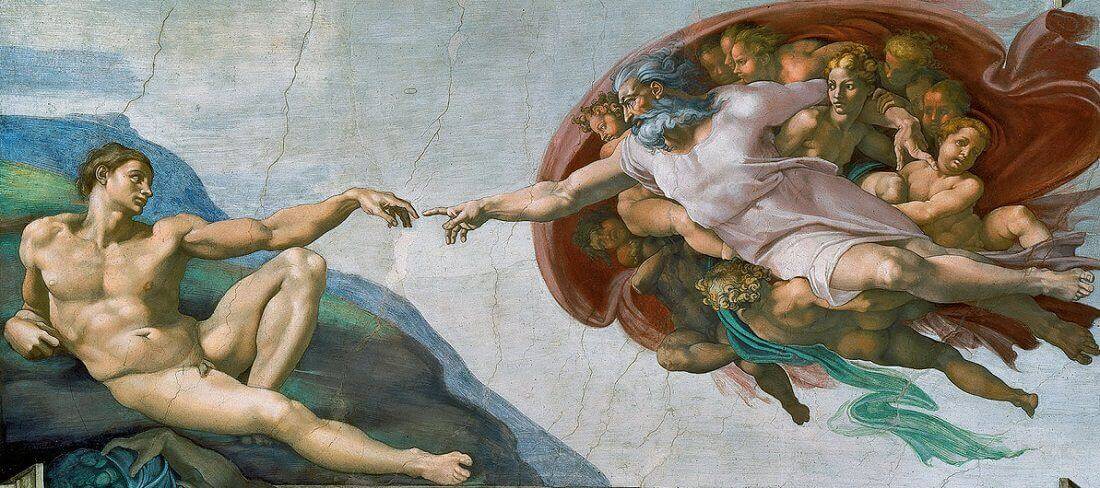
- The Patron Problem: Power, Money and Artistic Control — Artists rarely create in a vacuum. Throughout history, patrons including religious institutions, monarchs, governments, corporations and the public have provided the resources necessary for ambitious works of art to exist. Patronage, however, creates a complicated relationship between artistic opportunity and autonomy. When someone pays for an artwork, who ultimately controls its subject, meaning and final form? The Patron Problem: Power, Money and Artistic Control explores this question through five works spanning Renaissance, Modern and Contemporary art. Rather than tracing patronage continuously, the exhibition focuses on key moments when the balance of power between artist and patron noticeably shifts. These chronological gaps demonstrate that although the identity of the patron changes, questions of power and artistic control remain. Art critic John Berger provides a theoretical framework in Ways of Seeing (1972), where he writes, “Paintings are themselves objects which can be bought and owned.” Berger connects art to wealth, ownership and power, suggesting that artworks cannot always be separated from those who commission, purchase or possess them. This exhibition expands that idea to other commissioned forms, including murals and public monuments. Each work represents a different relationship between power, patronage, control, censorship and artistic autonomy. The exhibition begins with Michelangelo’s The Creation of Adam, part of the Sistine Chapel Ceiling commissioned by Pope Julius II during the Italian Renaissance. The work demonstrates patronage as opportunity. The Catholic Church provided Michelangelo with the resources and monumental space necessary for the commission while religious patronage influenced its biblical subject matter and representation of the human body. Michelangelo maintained his recognizable style through muscular figures, dramatic gestures and sculptural treatment of the human form. The exhibition then moves to Diego Velázquez’s L