

The Patron Problem: Power, Money and Artistic Control
Artists rarely create in a vacuum. Throughout history, patrons including religious institutions, monarchs, governments, corporations and the public have provided the resources necessary for ambitious works of art to exist. Patronage, however, creates a complicated relationship between artistic opportunity and autonomy. When someone pays for an artwork, who ultimately controls its subject, meaning and final form? The Patron Problem: Power, Money and Artistic Control explores this question through five works spanning Renaissance, Modern and Contemporary art. Rather than tracing patronage continuously, the exhibition focuses on key moments when the balance of power between artist and patron noticeably shifts. These chronological gaps demonstrate that although the identity of the patron changes, questions of power and artistic control remain. Art critic John Berger provides a theoretical framework in Ways of Seeing (1972), where he writes, “Paintings are themselves objects which can be bought and owned.” Berger connects art to wealth, ownership and power, suggesting that artworks cannot always be separated from those who commission, purchase or possess them. This exhibition expands that idea to other commissioned forms, including murals and public monuments. Each work represents a different relationship between power, patronage, control, censorship and artistic autonomy. The exhibition begins with Michelangelo’s The Creation of Adam, part of the Sistine Chapel Ceiling commissioned by Pope Julius II during the Italian Renaissance. The work demonstrates patronage as opportunity. The Catholic Church provided Michelangelo with the resources and monumental space necessary for the commission while religious patronage influenced its biblical subject matter and representation of the human body. Michelangelo maintained his recognizable style through muscular figures, dramatic gestures and sculptural treatment of the human form. The exhibition then moves to Diego Velázquez’s L
Artworks
- The Creation of Adam (1508) — Michelangelo’s The Creation of Adam is a fresco on the ceiling of the Sistine Chapel showing God reaching toward Adam as he gives him life. The nearly touching hands create the main focal point, while the strong diagonal lines of the figures direct the viewer’s attention toward this moment. Adam’s large, muscular body reflects Michelangelo’s knowledge of anatomy and his background as a sculptor, while also giving the human figure importance within the religious scene. The work was created as part of Michelangelo’s commission from Pope Julius II to decorate the Sistine Chapel. Because the Catholic Church commissioned the work for an important religious space, the subject matter had to communicate Christian beliefs and biblical history. At the same time, Michelangelo used the idealized human body and classical influences associated with the Renaissance. His representation of Adam shows how religious patronage shaped the subject of the artwork while Michelangelo still brought his own artistic interests into the commission. The Creation of Adam combines the goals of its religious patron with Michelangelo’s individual style, making the relationship between patronage and artistic creativity visible in the work itself.
- Vietnam Veterans Memorial (1982) — Maya Lin’s Vietnam Veterans Memorial consists of two long, polished black granite walls that descend into the landscape and contain the names of American service members who died or went missing during the Vietnam War. Instead of using heroic soldiers or traditional patriotic imagery, Lin uses simple geometric forms, reflective surfaces and thousands of names. The viewer sees their own reflection alongside the names, creating a personal connection between the living and the dead. Lin’s design was selected through a national competition for a publicly commissioned memorial, but the design became controversial because some critics believed it was too abstract and did not represent veterans in a traditionally heroic way. Unlike an artist working for a single wealthy patron, Lin had to respond to expectations from veterans, government officials and the public. Despite pressure and criticism, the central design was preserved, although additional representational elements were later added nearby.The memorial shows how public patronage can create a different kind of conflict over artistic control. Lin’s simple visual choices successfully focus attention on individual loss, while the controversy demonstrates how commissioned public art must negotiate between an artist’s vision and the expectations of the people it is intended to represent.
- Las Meninas (1656) — Las Meninas by Diego Velázquez depicts the young Infanta Margarita surrounded by attendants in the Spanish royal court, while Velázquez includes himself painting at the left side of the composition. The use of light makes the Infanta a focal point, while the mirror, doorway and figures looking outward create a complicated sense of space that makes the viewer feel like part of the scene. Velazquez’s placement of himself prominently alongside the royal family also gives the artist an unusual level of importance. Velazquez served as court painter to King Philip IV, so royal patronage gave him access to the royal family and provided the setting and subject for the painting. However, he does more than simply create a traditional royal portrait. By including himself at work and using the mirror to place the king and queen within the composition, Velazquez draws attention to his own role in creating the royal image. The painting therefore shows both the opportunities and limitations of patronage. Las Meninas demonstrates how an artist could work within the expectations of a powerful patron while still finding ways to establish his own identity and importance as an artist.
- Man at the Crossroads (1933) — Diego Rivera’s Man at the Crossroads was a mural commissioned for Rockefeller Center that presented modern society at a crossroads between competing political, social and technological futures. Rivera organized the composition around a worker controlling machinery, surrounded by images of science, industry, capitalism and socialism. The crowded composition and opposing groups visually communicate conflict between different visions of modern society. The Rockefeller family commissioned Rivera to create the mural, but the relationship between artist and patron collapsed after Rivera included a portrait of Vladimir Lenin. Nelson Rockefeller requested that Lenin be removed, but Rivera refused. The mural was eventually destroyed. This conflict shows the limits of artistic freedom when an artwork is created with another person’s money and for their property. Rivera used the commission to express his own political beliefs, while his patrons believed they had authority over what appeared in the space. Man at the Crossroads makes the conflict between patronage and artistic independence especially clear. The mural’s destruction demonstrates what can happen when the artist’s message directly conflicts with the values and expectations of the patron.
- The Coronation of Napoleon (1807) — Jacques-Louis David’s The Coronation of Napoleon depicts Napoleon’s coronation ceremony at Notre-Dame Cathedral, particularly the moment when Napoleon crowns his wife Joséphine as empress. David uses monumental scale, rich color and a large number of carefully arranged figures to make the ceremony appear grand and historically important. Napoleon and Joséphine become the focal point through their central placement, lighting and surrounding figures, directing attention toward Napoleon’s authority. Napoleon commissioned David to document the coronation, meaning the patron was also the political leader whose image the painting helped construct. This relationship influenced how the event was represented. Rather than presenting an objective record, David organized the ceremony to emphasize order, legitimacy, wealth and imperial power. His artistic choices therefore served Napoleon’s political goals while transforming an actual event into an idealized image of his reign. The Coronation of Napoleon demonstrates how patronage can directly shape both the subject and visual message of an artwork. David’s composition successfully glorifies Napoleon, but that success also shows how an artist’s abilities can be used to promote the authority and desired image of a powerful patron.
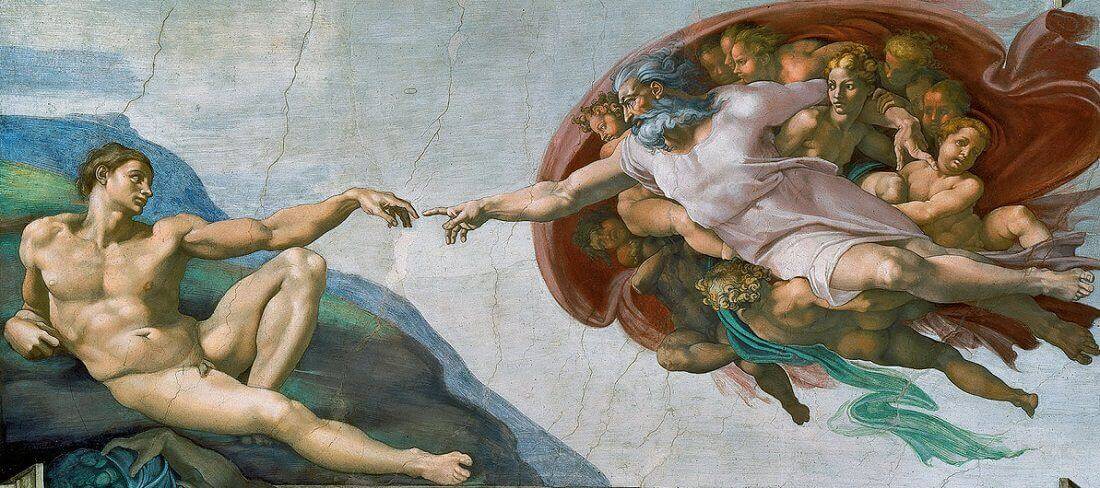
The Creation of Adam
1508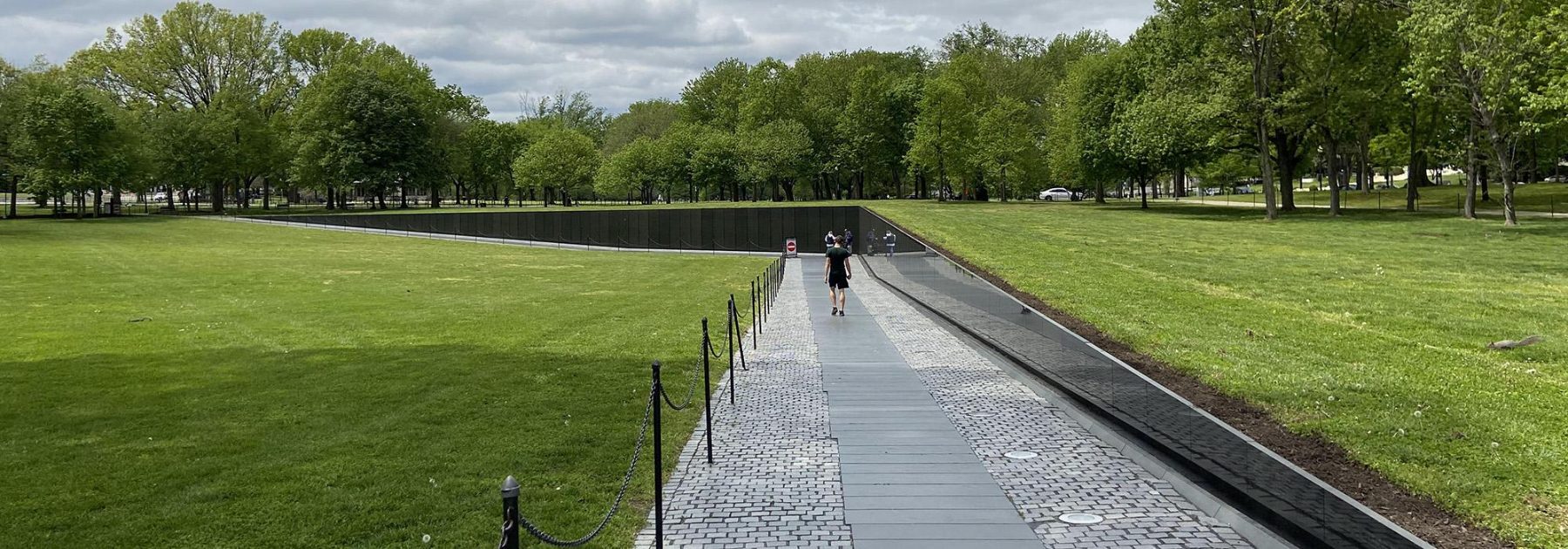
Vietnam Veterans Memorial
1982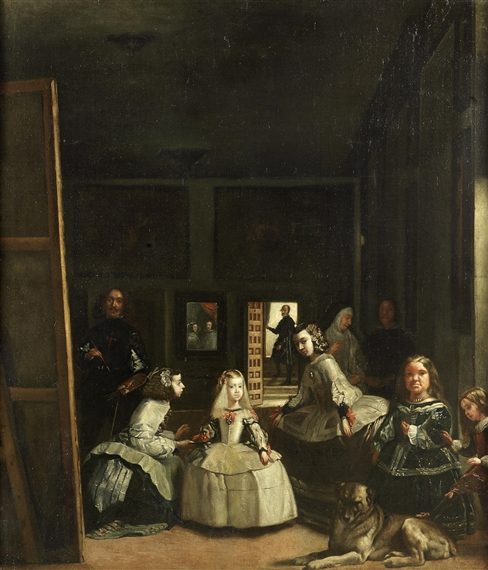
Las Meninas
1656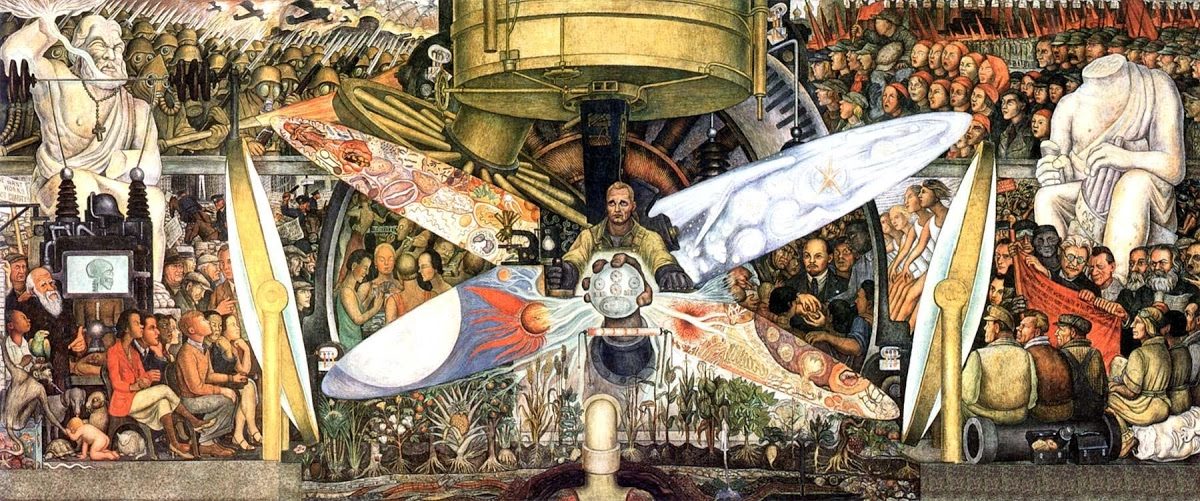
Man at the Crossroads
1933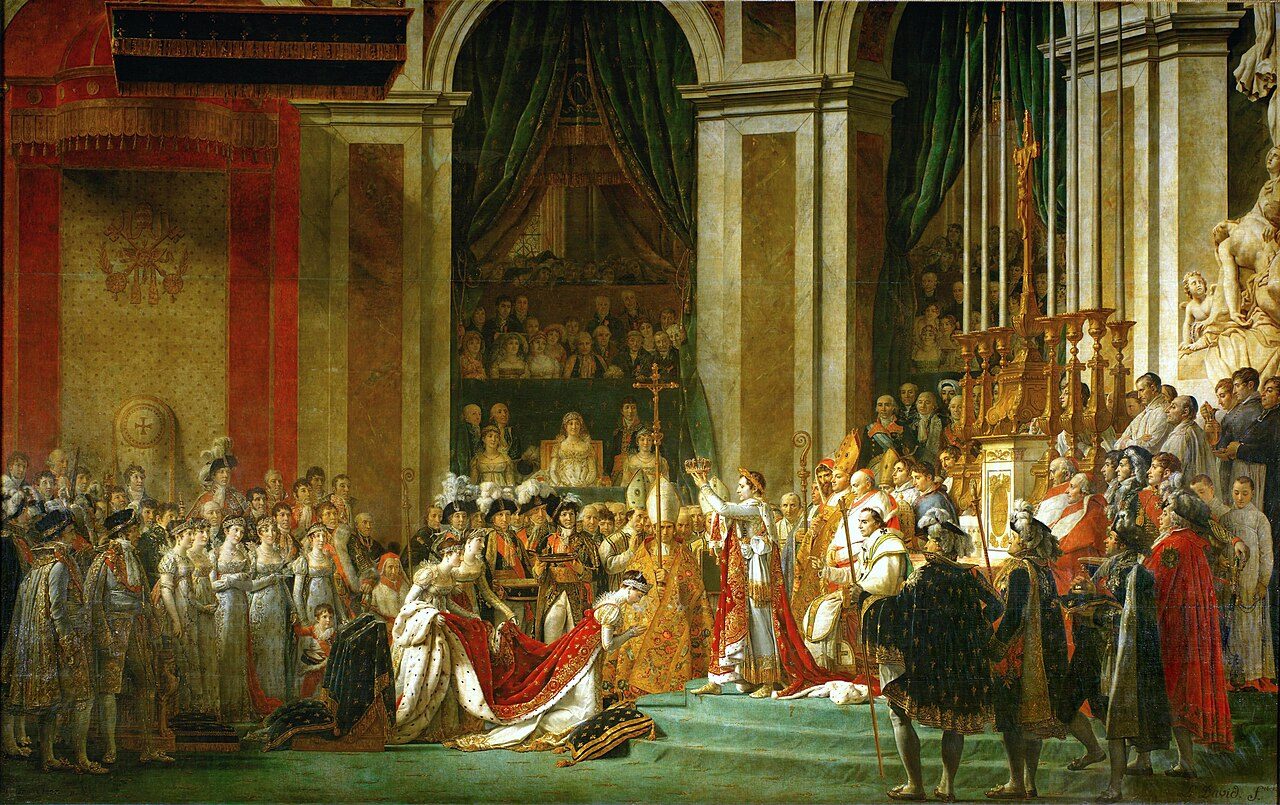
The Coronation of Napoleon
1807Immersive Experience
Walk through this gallery in 3D
Step inside a virtual gallery space. Walk up to each artwork. See them as they were meant to be seen.
React to this gallery
Guestbook
Sign in to leave a comment.
Loading…
Galerra
Create your own exhibition
Upload your work and we build a walkable 3D show in about a minute. Free to start.