
Alvina Krykun's 3D Art Galleries on Galerra

Alvina Krykun has 1 public gallery with 12 total views on Galerra.

Galleries by Alvina Krykun

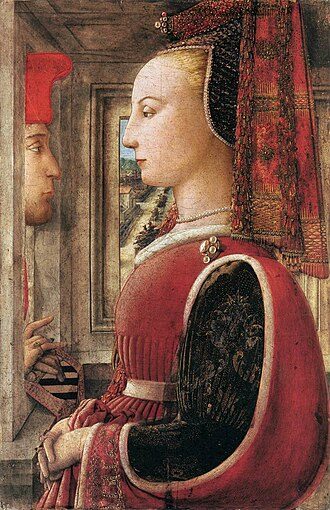
  • Behind the Portrait: Identity in Renaissance Art — My exhibition, Behind the Portrait: Identity in Renaissance Art, explores how Renaissance artists used portraiture to communicate a person’s identity. A portrait can show what someone looked like, but it can also give viewers information about their personality, social status, beauty, relationships, and place in society. The five artworks in this exhibition demonstrate how artists used facial expressions, clothing, jewelry, poses, backgrounds, and symbolic objects to tell viewers more about the people they painted. The main concepts connecting these works are identity, expression, status, symbolism, and individuality. An important idea behind this exhibition is Renaissance humanism. Humanism placed greater importance on human experiences, individuality, and observation of the natural world. This influenced Renaissance artists to become increasingly interested in realistic representations of people. Portraits allowed artists to show recognizable individuals while also communicating information about their lives and social positions. Elements such as color, line, texture, contrast, emphasis, and composition helped artists guide the viewer’s attention and create meaning. I arranged the five artworks in an order that shows different ways identity can be represented. The exhibition begins with Fra Filippo Lippi’s Portrait of a Woman with a Man at a Casement. The woman’s profile, elaborate clothing, jewelry, and relationship to the man communicate ideas about marriage, wealth, and social status. Her identity seems strongly connected to how she is presented within Renaissance society. Next is Leonardo da Vinci’s Ginevra de’ Benci. This portrait begins to feel more personal because Leonardo places greater emphasis on Ginevra’s face and expression. The juniper behind her also adds symbolism and connects to her identity. Domenico Ghirlandaio’s Portrait of Giovanna Tornabuoni follows. Her clothing, jewelry, book, and other objects show how material objects can communi (12 views)
Artist · @Alvina Krykun1 gallery
Alvina Krykun

Alvina Krykun

1
Galleries
12
Total Views
0
Followers
All Works
1 Gallery
Behind the Portrait: Identity in Renaissance Art
See Artworks

Behind the Portrait: Identity in Renaissance Art

My exhibition, Behind the Portrait: Identity in Renaissance Art, explores how Renaissance artists used portraiture to communicate a person’s identity. A portrait can show what someone looked like, but it can also give viewers information about their personality, social status, beauty, relationships, and place in society. The five artworks in this exhibition demonstrate how artists used facial expressions, clothing, jewelry, poses, backgrounds, and symbolic objects to tell viewers more about the people they painted. The main concepts connecting these works are identity, expression, status, symbolism, and individuality. An important idea behind this exhibition is Renaissance humanism. Humanism placed greater importance on human experiences, individuality, and observation of the natural world. This influenced Renaissance artists to become increasingly interested in realistic representations of people. Portraits allowed artists to show recognizable individuals while also communicating information about their lives and social positions. Elements such as color, line, texture, contrast, emphasis, and composition helped artists guide the viewer’s attention and create meaning. I arranged the five artworks in an order that shows different ways identity can be represented. The exhibition begins with Fra Filippo Lippi’s Portrait of a Woman with a Man at a Casement. The woman’s profile, elaborate clothing, jewelry, and relationship to the man communicate ideas about marriage, wealth, and social status. Her identity seems strongly connected to how she is presented within Renaissance society. Next is Leonardo da Vinci’s Ginevra de’ Benci. This portrait begins to feel more personal because Leonardo places greater emphasis on Ginevra’s face and expression. The juniper behind her also adds symbolism and connects to her identity. Domenico Ghirlandaio’s Portrait of Giovanna Tornabuoni follows. Her clothing, jewelry, book, and other objects show how material objects can communi

2026
12
3D
Artworks