

Behind the Portrait: Identity in Renaissance Art
My exhibition, Behind the Portrait: Identity in Renaissance Art, explores how Renaissance artists used portraiture to communicate a person’s identity. A portrait can show what someone looked like, but it can also give viewers information about their personality, social status, beauty, relationships, and place in society. The five artworks in this exhibition demonstrate how artists used facial expressions, clothing, jewelry, poses, backgrounds, and symbolic objects to tell viewers more about the people they painted. The main concepts connecting these works are identity, expression, status, symbolism, and individuality. An important idea behind this exhibition is Renaissance humanism. Humanism placed greater importance on human experiences, individuality, and observation of the natural world. This influenced Renaissance artists to become increasingly interested in realistic representations of people. Portraits allowed artists to show recognizable individuals while also communicating information about their lives and social positions. Elements such as color, line, texture, contrast, emphasis, and composition helped artists guide the viewer’s attention and create meaning. I arranged the five artworks in an order that shows different ways identity can be represented. The exhibition begins with Fra Filippo Lippi’s Portrait of a Woman with a Man at a Casement. The woman’s profile, elaborate clothing, jewelry, and relationship to the man communicate ideas about marriage, wealth, and social status. Her identity seems strongly connected to how she is presented within Renaissance society. Next is Leonardo da Vinci’s Ginevra de’ Benci. This portrait begins to feel more personal because Leonardo places greater emphasis on Ginevra’s face and expression. The juniper behind her also adds symbolism and connects to her identity. Domenico Ghirlandaio’s Portrait of Giovanna Tornabuoni follows. Her clothing, jewelry, book, and other objects show how material objects can communi
Artworks
- Title: La Bella, Artist: Titian, Year: c. 1536, Medium: Oil on canvas (1536) — I chose La Bella because it combines beauty, social status, and individuality. Titian uses rich color and contrast to make the woman stand out against the dark background. Her detailed blue dress suggests elegance and wealth, while her calm gaze makes the portrait feel more personal. Unlike some of the earlier portraits in the exhibition, she looks toward the viewer instead of being shown only in profile. This creates a stronger connection between the subject and the viewer. The artwork supports my theme because her clothing communicates social identity while her expression and gaze give her a stronger sense of individual personality.
- Title: Portrait of Giovanna Tornabuoni, Artist: Domenico Ghirlandaio, Year: 1488, Medium: Tempera on wood (1488) — I chose this portrait because it shows how objects and appearance can become part of a person’s identity. Giovanna is shown in profile wearing detailed clothing and jewelry, while objects such as a book, necklace, and inscription appear behind her. The strong lines, patterns, and careful arrangement make her appear elegant and controlled. These details communicate ideas about beauty, wealth, status, and virtue. This artwork supports my exhibition because it demonstrates that Renaissance artists could use both a person’s physical appearance and symbolic objects to tell viewers something about who they were and how they were meant to be remembered.
- Title: Ginevra de' Benci, Artist: Leonardo da Vinci, Year: c. 1474-1478, Medium: Oil on panel (1474) — I chose Ginevra de' Benci because this portrait feels more personal than the first artwork. Leonardo places attention on Ginevra's face and serious expression rather than relying mainly on clothing to show her identity. The contrast between her pale face and the dark juniper behind her makes her focal point, while the landscape creates depth. Her expression makes the viewer wonder what she might be thinking or feeling. This artwork supports my theme because it shows how expression, pose, nature, and symbolism can work together to communicate a person's individuality.
- Title: Portrait of a woman with a Man at a casement, Artist: Fra Filippo Lippi, Year: c. 1440, Medium: Tempera on wood (1440) — I'm setting off my exhibition here for a few reasons: the woman is primarily identified through her silhouette profile, the clothing she is wearing, the adornments, her relationship with the man, how she posed stiff and controlling, the architecture around her gives depth and space. Her lavish appearance communicates and reflects social status and the development of the Renaissance portrait for reflecting the public identity.
- Title: La Mute, Artist: Raphael, Year: 1507, Medium: oil on panel (1507) — I chose La Muta as the final artwork because it brings together the main idea of my exhibition. The unidentified woman sits against a dark background and looks directly toward the viewer. Raphael uses a balanced composition and realistic details in her face, clothing, and hands to create a strong sense of presence. Even though we do not know exactly who she was, her expression and gaze make her feel like a specific individual. This artwork is a strong ending because it shows that identity can be communicated without knowing a person’s complete story. Her appearance gives us clues, but part of her identity remains unknown.
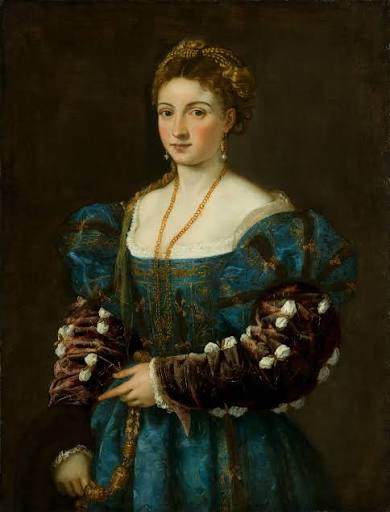
Title: La Bella, Artist: Titian, Year: c. 1536, Medium: Oil on canvas
1536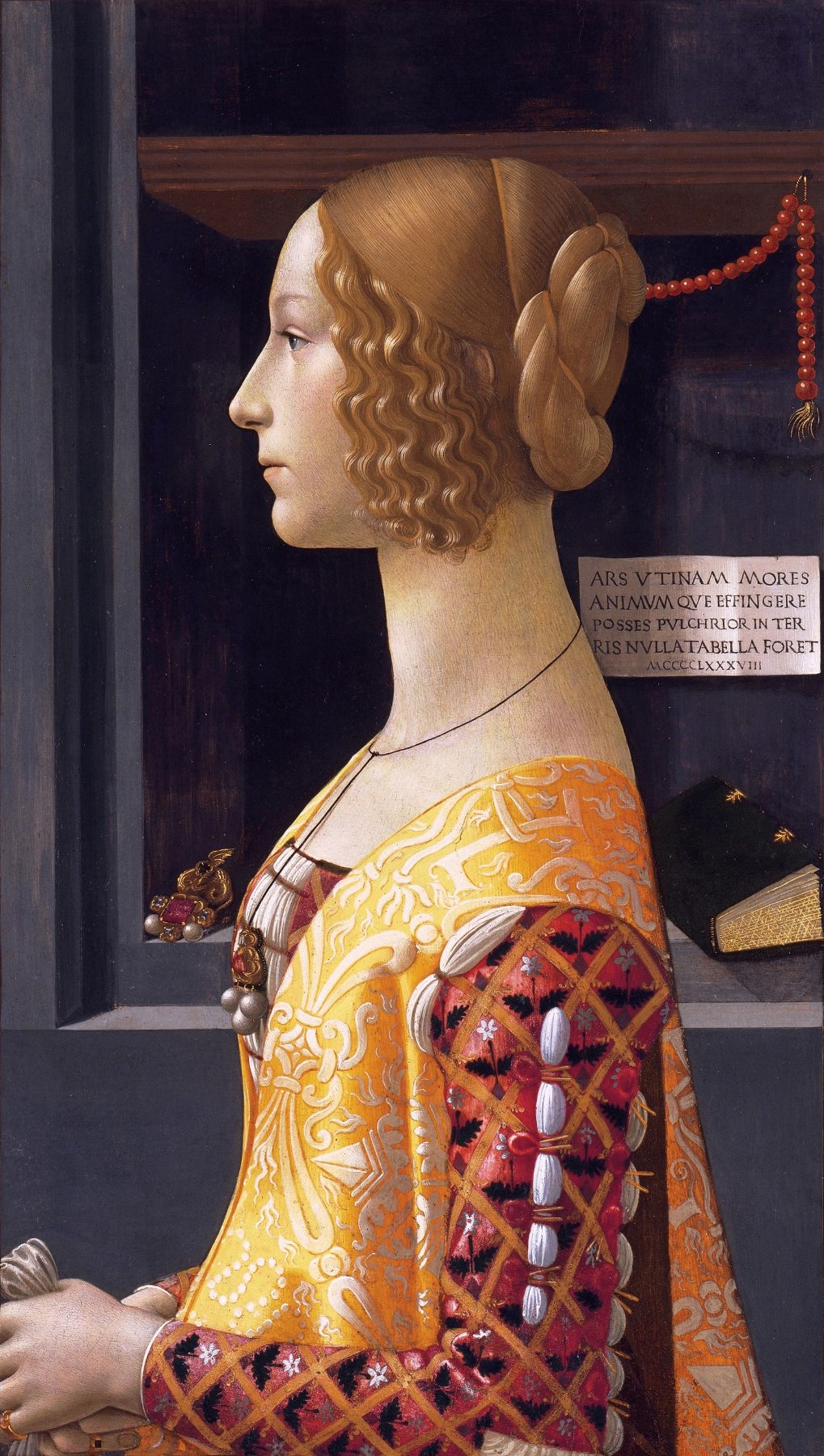
Title: Portrait of Giovanna Tornabuoni, Artist: Domenico Ghirlandaio, Year: 1488, Medium: Tempera on wood
1488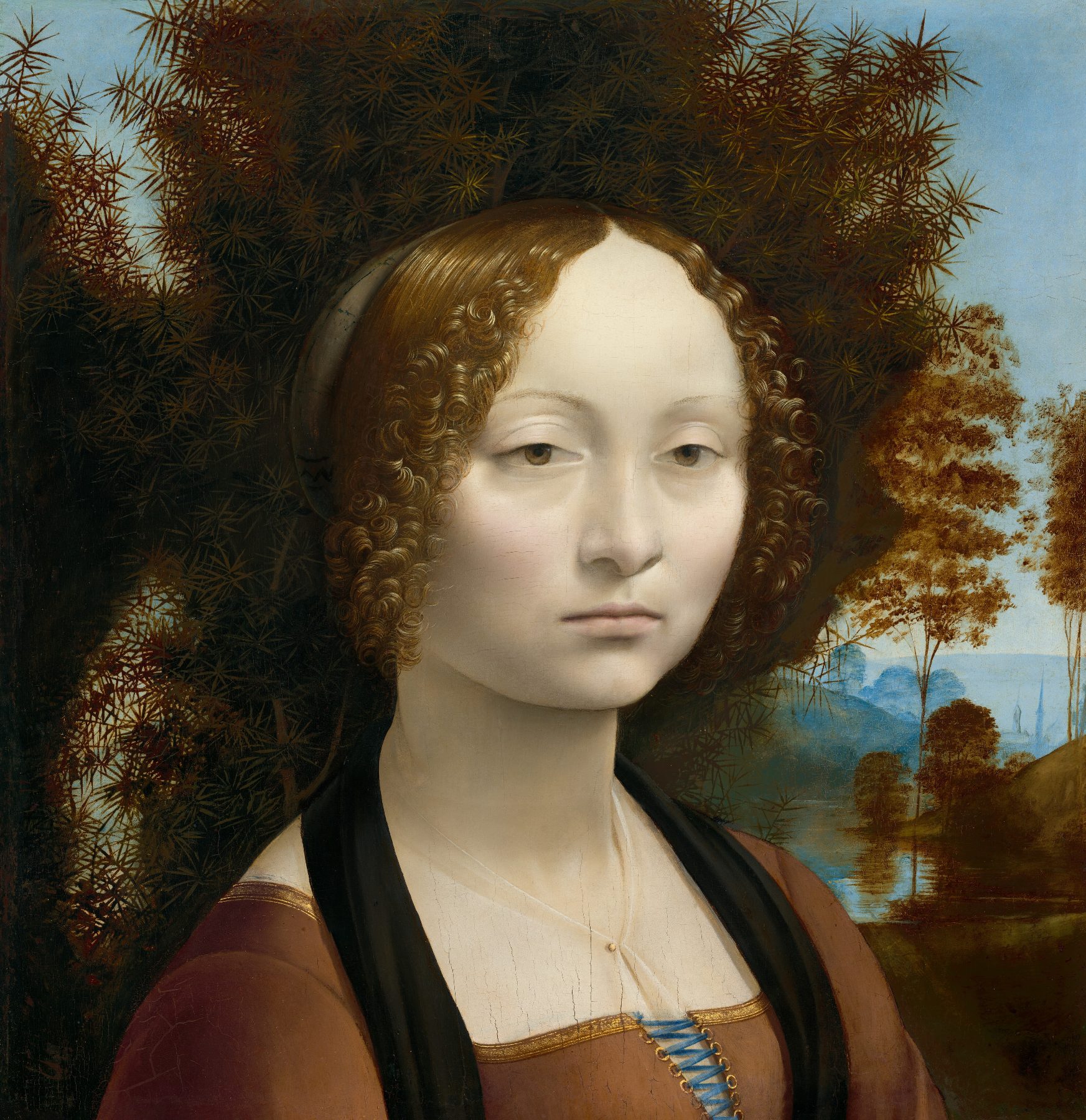
Title: Ginevra de' Benci, Artist: Leonardo da Vinci, Year: c. 1474-1478, Medium: Oil on panel
1474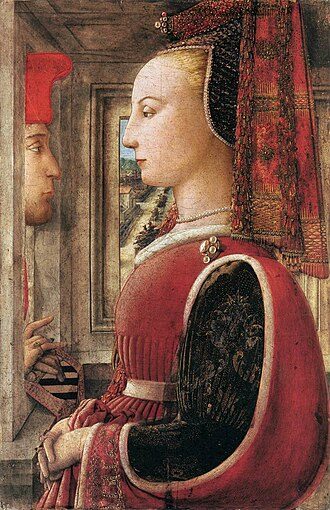
Title: Portrait of a woman with a Man at a casement, Artist: Fra Filippo Lippi, Year: c. 1440, Medium: Tempera on wood
1440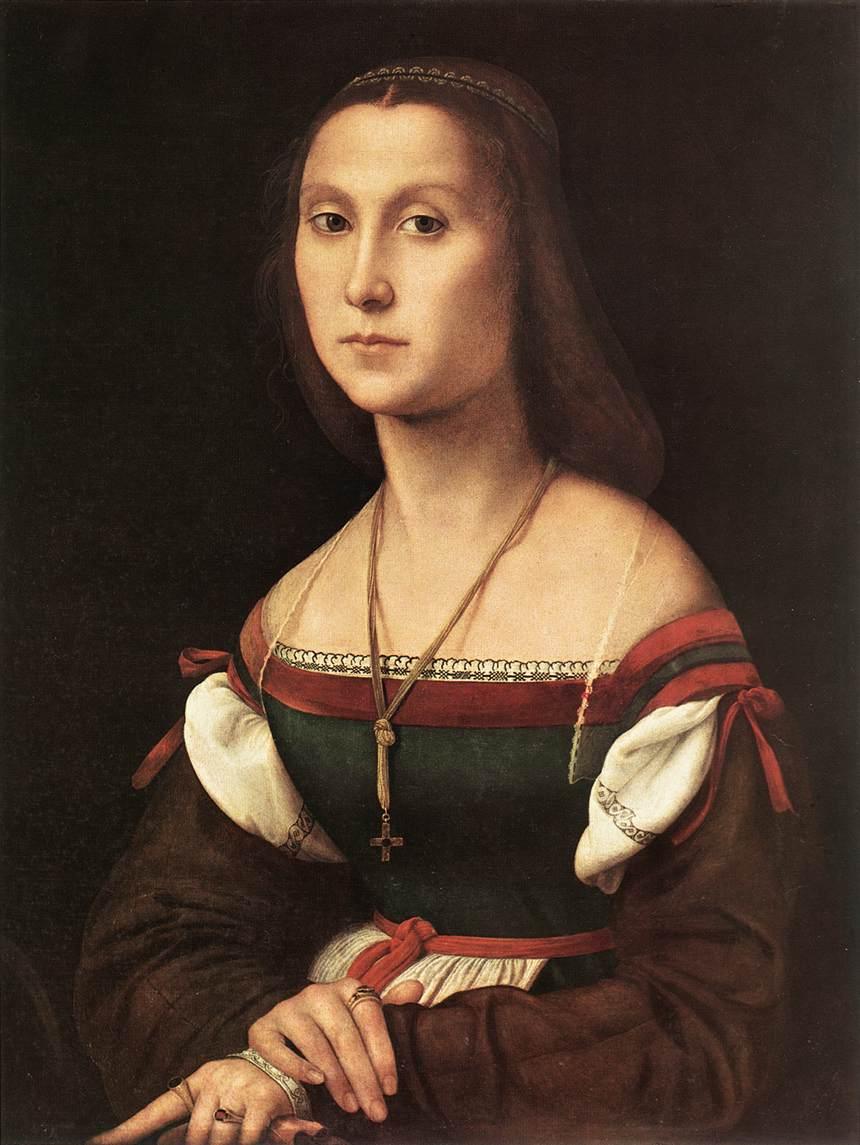
Title: La Mute, Artist: Raphael, Year: 1507, Medium: oil on panel
1507Immersive Experience
Walk through this gallery in 3D
Step inside a virtual gallery space. Walk up to each artwork. See them as they were meant to be seen.
React to this gallery
Guestbook
Sign in to leave a comment.
Loading…
Galerra
Create your own exhibition
Upload your work and we build a walkable 3D show in about a minute. Free to start.