Camrie Ingram's 3D Art Galleries on Galerra
Camrie Ingram has 1 public gallery on Galerra.
Galleries by Camrie Ingram
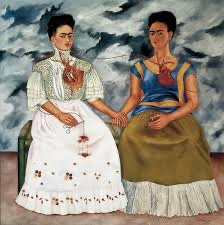
- Reclaiming the Body: Identity, Gender, and Stereotypes in Art — This exhibition analyzes how contemporary artists apply the human body in their compositions to question long-standing beliefs about visual appeal, the female gender, sexuality, and identity. For ages, bodies in art were quite often romanticized or shaped through the lens of influential populations. The artists in this exhibition reclaim representation by presenting bodies in broken, distorted, exposed, symbolic, or deeply intimate ways. Rather than showing the female body as flawless or submissive, these artworks analyze identity as something expressive, political, and constantly evolving. Some artists question stereotypes tied to the female gender, while others emphasize performance or traditions. Collectively, these works of art reveal how the body can become a platform for resistance, self-expression, and transformation. Art historian Griselda Pollock argues that feminist and modern day creators confront conventional structures of representation by reclaiming power over how bodies are seen and understood. Instead of perfecting and idealizing the human figure, many artists concentrate on lived experience, individuality, and social identity. This exhibition supports Pollock’s ideas by showcasing artworks that redefine the body beyond traditional artistic conventions and challenge the audience to reassess how identity is shaped through imagery. The gallery starts with artworks that are clearly identifiable figures and showcase artists that are very familiar to the general public. The order allows viewers to observe a progression from recognizable female figures to concepts of femininity reinforced by society. Early works show artists confronting stereotypes, while later works focus on how society views female bodies as a whole. As the exhibition continues, it transitions into more conceptual representations of the body that reveal themes such as public perception, femininity, vulnerability, and pain. The final works become progressively more symbolic, showing identity not as rigid, but instead as fluid and constantly developing. The exhibition begins with Frida Kahlo’s The Two Fridas, which confronts how societal stereotypes shape not only how the artist is seen, but also how she sees herself, revealing an internal conflict. The work examines the impact of social pressure on identity and questions contradictory stereotypes that influence self-perception and representation. From there, the exhibition moves to Yoko Ono’s Cut Piece, where the body becomes both artwork and site of power struggle. Through performance, Ono presents the body as vulnerable and exposed, demonstrating how women’s bodies can be controlled or objectified in public space while also reclaiming agency through participation and action. Barbara Kruger’s Your Body is a Battleground expands these ideas by directly addressing how women’s bodies are controlled and represented in society. Its political message encourages viewers to consider power over the body in relation to gender and reproductive rights. Catherine Opie’s Self-Portrait/Cutting then shifts the focus toward personal identity and belonging. Using her own body as both subject and medium, Opie transforms self-representation into something literal and embodied, communicating identity, love, exclusion, and lived experience. The exhibition concludes with Ana Mendieta’s Untitled (Silueta Series, Mexico), in which the body is present through absence, trace, and connection to nature. By redefining self-representation without direct visibility, Mendieta suggests that identity can exist through memory, culture, and environment rather than physical appearance alone. Together, these artworks demonstrate how contemporary artists challenge traditional representations of the body and redefine identity as complex, contested, and constantly evolving.