

Reclaiming the Body: Identity, Gender, and Stereotypes in Art
This exhibition analyzes how contemporary artists apply the human body in their compositions to question long-standing beliefs about visual appeal, the female gender, sexuality, and identity. For ages, bodies in art were quite often romanticized or shaped through the lens of influential populations. The artists in this exhibition reclaim representation by presenting bodies in broken, distorted, exposed, symbolic, or deeply intimate ways. Rather than showing the female body as flawless or submissive, these artworks analyze identity as something expressive, political, and constantly evolving. Some artists question stereotypes tied to the female gender, while others emphasize performance or traditions. Collectively, these works of art reveal how the body can become a platform for resistance, self-expression, and transformation. Art historian Griselda Pollock argues that feminist and modern day creators confront conventional structures of representation by reclaiming power over how bodies are seen and understood. Instead of perfecting and idealizing the human figure, many artists concentrate on lived experience, individuality, and social identity. This exhibition supports Pollock’s ideas by showcasing artworks that redefine the body beyond traditional artistic conventions and challenge the audience to reassess how identity is shaped through imagery. The gallery starts with artworks that are clearly identifiable figures and showcase artists that are very familiar to the general public. The order allows viewers to observe a progression from recognizable female figures to concepts of femininity reinforced by society. Early works show artists confronting stereotypes, while later works focus on how society views female bodies as a whole. As the exhibition continues, it transitions into more conceptual representations of the body that reveal themes such as public perception, femininity, vulnerability, and pain. The final works become progressively more symbolic, showing identity not as rigid, but instead as fluid and constantly developing. The exhibition begins with Frida Kahlo’s The Two Fridas, which confronts how societal stereotypes shape not only how the artist is seen, but also how she sees herself, revealing an internal conflict. The work examines the impact of social pressure on identity and questions contradictory stereotypes that influence self-perception and representation. From there, the exhibition moves to Yoko Ono’s Cut Piece, where the body becomes both artwork and site of power struggle. Through performance, Ono presents the body as vulnerable and exposed, demonstrating how women’s bodies can be controlled or objectified in public space while also reclaiming agency through participation and action. Barbara Kruger’s Your Body is a Battleground expands these ideas by directly addressing how women’s bodies are controlled and represented in society. Its political message encourages viewers to consider power over the body in relation to gender and reproductive rights. Catherine Opie’s Self-Portrait/Cutting then shifts the focus toward personal identity and belonging. Using her own body as both subject and medium, Opie transforms self-representation into something literal and embodied, communicating identity, love, exclusion, and lived experience. The exhibition concludes with Ana Mendieta’s Untitled (Silueta Series, Mexico), in which the body is present through absence, trace, and connection to nature. By redefining self-representation without direct visibility, Mendieta suggests that identity can exist through memory, culture, and environment rather than physical appearance alone. Together, these artworks demonstrate how contemporary artists challenge traditional representations of the body and redefine identity as complex, contested, and constantly evolving.
Artworks
- The Two Fridas By Frida Kahlo, 1939, Oil on canvas (1939) — Frida Kahlo’s The Two Fridas shows two virtually matching figures sitting side by side, using symmetry and repetition to establish balance. Frida Kahlo uses symbolism, anatomy, and dual imagery to create an intensely intimate but universally understandable analysis of identity. The vulnerable hearts and vein joining the two serves as the main elements that attract focus and create emotional tension. The distinction between the background of the two dresses and the link between the figures strengthens the concept that identity is both split and unified. The overcast background amplifies the emotional instability theme of the piece offering context to the rest of the painting. By connecting technical elements like the line of the vein, contrast, and balance with the context of the artist's life during the period of composing this painting it communicates the inner emotional battle she was experiencing. This painting is impactful because it does not reduce identity into one fixed idea. Rather, it displays identity as complex, emotional, and occasionally conflicting. The work corresponds within a contemporary interpretation of self-expression because it shows that the body can communicate emotional and cultural conflict without depending on realism soley. Kahlo converts personal experience into symbolic visual language, making The Two Fridas one of the most impactful paintings about identity, emotion, and self-representation in contemporary art. The author reclaims the body by showing that when society boxes people, specifically women, to fit a certain stereotype it often damages people. By giving representation that you can fit multiple “personas” while at the same time struggling with finding who you are.
- Cut Piece By Yoko Ono, 1964, Performance art (1964) — Cut Piece is a performance artwork that features the artist sitting still while the audience cuts up her clothing. It is a groundbreaking exhibition because it reshapes the human body into both subject and medium. Yoko Ono utilizes absolute simplicity, resting motionless on a stage, in order to create an impactful and uncomfortable examination of gender, authority, and exposure. The strength of the work exists in its direct engagement with the audience. Contrasting with conventional artworks that are passively observed, this composition relies on participation, making viewers responsible for the developing vulnerability. The step by step displacement of clothing amplifies the emotional effect and exposes how social structures can change quickly when power is set in the hands of observers. The work aligns with wider concepts of identity and self-representation because it proves that the body can serve as living artwork formed by outside influences. It confronts traditional portraiture by exchanging image-making with lived experience and movement. Ultimately, Cut Piece remains powerful because it drives viewers to consider how individuals view others, how power functions through observation, and how the body can be both managed and reclaimed through performance. It is a strong statement about the impact that the world surrounding people has on how they identify themselves within their body. This piece works well with the exhibit as it speaks on the act of exploring identity through the performance.
- Your Body is a Battleground By Barbara Kruger, 1989 Photographic silkscreen on vinyl (1989) — Your Body is a Battleground shows a photograph of a woman with a distinct split down the middle with inverted tones on each side. There are bold red letters across the piece that say “YOUR BODY IS A BATTLEGROUND”. The work is a compelling example of how visual media can act as political messaging. Barbara Kruger utilizes the commercial language of advertising to confront power structures, making the work instantly identifiable and influential. The power of the artwork comes from its simplicity and clearness. The large words, divided image, and restricted colors create an urgent and aggressive statement. Rather than depending on indirect symbolism, Kruger presents a clear message about authority over the body and identity. The split portrait highlights the idea that identity is influenced by outside pressures such as media, political systems, and public expectations. The work aligns with the exhibition theme because it reinterpretes the body as something public rather than private. Ultimately, Kruger reshapes a photographic image into a conceptual statement, illustrating how contemporary art can combine language, image, and ideology to challenge how we perceive identity, gender, and power. This upfront piece about the issues that have come from the exploitation of women’s bodies. By bringing attention to these issues, the artist aims to reclaim the body and restate what women’s bodies are meant to stand for.
- Self-Portrait/Cutting By Catherine Opie, 1993 Color photograph (1993) — Self-Portrait/Cutting is a color photograph which features the artist’s back with a childlike drawing of two women holding hands in front of a house carved into her skin. The art piece is deeply impactful and symbolically powerful because it reshapes the artist’s body into both visual statement and meaning. Catherine Opie merges physical vulnerability with symbolic visuals to construct a portrait that is intimate while also exploring broader societal concerns surrounding queer identity and acceptance. The photograph is visually simple, yet emotionally intense because of the contrast between the childlike carving and the physical aggression necessary to create it. The vivid tones and structured arrangement make the work visually disciplined and artistically powerful, while the wounded skin introduces discomfort and tension. This contrast between elegance and suffering makes the image particularly impactful. The lack of the facial identity also questions classic portrait conventions by implying that personal identity can be expressed through bodily experience rather than facial appearance alone. The work aligns closely with themes of identity, gender, and self-expression because it presents the body as a political and emotional space formed by both personal desire and societal expectations. Opie effectively changes personal experience into a universal statement about love, exclusion, vulnerability, and the human desire for belonging. This piece ties into the exhibit because it directly questions whose identities are represented in society and who gets accepted. With the pain that comes with this piece it calls for action in a clear way.
- Untitled (Silueta Series, Mexico) By Ana Mendieta, 1973–1980 Color photograph (1973) — Untitled (Silueta Series, Mexico) is a colorful photograph that shows a silhouette of a human made up of flowers against a rocky background. The artwork serves as a compelling example of how contemporary art can transform the body beyond direct bodily interpretation. Ana Mendieta reimagines the natural setting into a space of identity, where the body exists as an outline rather than a visible figure. The use of floral elements on stone landscapes creates a sharp visual and idea-based contrast, balancing fragility and permanence. This tension strengthens the idea that identity is both short-lived and deeply connected to place and memory. The work aligns with the exhibition because it broadens portraiture into nature-based and symbolic form. Rather than showing the body literally, Mendieta reveals that identity can exist through absence, material, and space. As a whole, the piece is successful because it is both visually compelling and conceptually subtle, prompting the audience to reflect on how identity can be documented without the physical presence of the body itself. The artist is redefining how women’s bodies are seen and aiming to reclaim the objectification that so often happens.
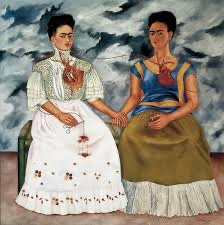
The Two Fridas By Frida Kahlo, 1939, Oil on canvas
1939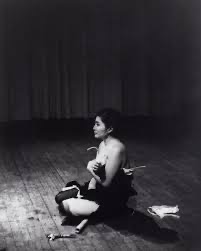
Cut Piece By Yoko Ono, 1964, Performance art
1964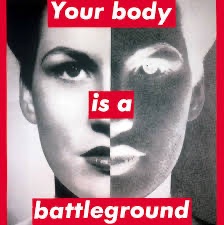
Your Body is a Battleground By Barbara Kruger, 1989 Photographic silkscreen on vinyl
1989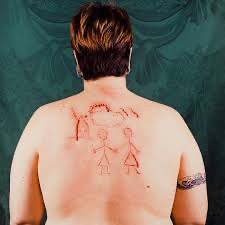
Self-Portrait/Cutting By Catherine Opie, 1993 Color photograph
1993
Immersive Experience
Walk through this gallery in 3D
Step inside a virtual gallery space. Walk up to each artwork. See them as they were meant to be seen.
React to this gallery
Guestbook
Sign in to leave a comment.
Loading…
Galerra
Create your own exhibition
Upload your work and we build a walkable 3D show in about a minute. Free to start.