Dina's 3D Art Galleries on Galerra
Dina has 1 public gallery with 9 total views on Galerra.
Galleries by Dina
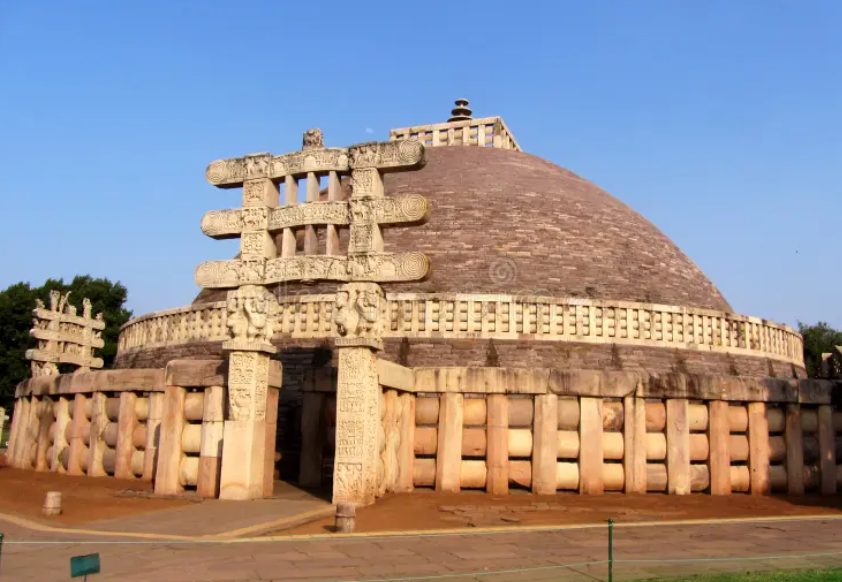
- Symbolic Identity in Buddhist Art: From Absence to Enlightenment — This exhibition shows how identity in Buddhist art is shown without representing the human self. Instead of presenting the Buddha as an individual, the Buddhist visual culture communicates spiritual identity through symbolism, gesture, material form, and many times through absence. Across sculpture and architecture from Southeast Asia, the Buddha is as a trace of enlightenment that exists in space, posture, and sacred form. This idea can be understood through representation working as symbolic presence rather than visibility. As Ananda Coomaraswamy says, “The Buddha is not represented as a man, but as an idea beyond man.” Because of this, Buddhist imagery shifts focus away from physical identity and more toward spiritual realization. This can be seen as where enlightenment can’t be contained in one human form. Instead, it is shown through things like the stupa, mudras (hand gestures), meditative bodies, or even the complete absence of the body. The exhibition starts with the Great Stupa at Sanchi, where the Buddha is not shown at all. Instead, the idea of presence is in architecture and the way the space is structured, suggesting enlightenment through movement and direction rather than a figure. It sets up absence as a form of representation, where meaning comes from structure and ritual rather than the human body. This idea continues in the Standing Buddha, where the body appears but is still not individualized. Posture and mudras show calmness and authority, showing identity through controlled presence rather than personal features. In the Seated Buddha from Ajanta, the body is focused on meditation. Identity is shown through stillness, where enlightenment is represented as inner calm instead of outward individuality. The Buddha Head from Gandhara goes further by removing the body completely and focusing only on the face or head, where expression and serenity become the main way identity is shown. It also reflects how Buddhist art changes across regions and influences. The exhibition ends with the Reclining Buddha at Wat Pho, where the body is laid out horizontally, showing the Buddha entering Nirvana. Overall, these works show that Buddhist art doesn’t rely on direct depiction of identity but instead builds meaning through symbolic absence and spiritual suggestion. Across the gallery, the Buddha becomes less of a person and more of a presence that exists beyond what you can physically see. (9 views)