Symbolic Identity in Buddhist Art: From Absence to Enlightenment

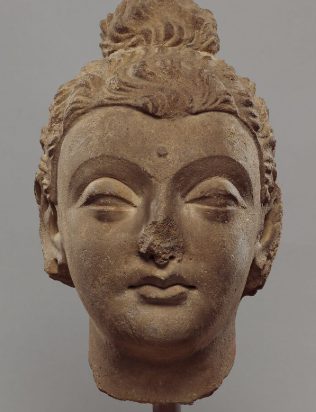
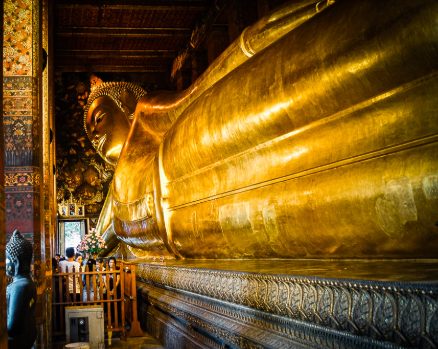
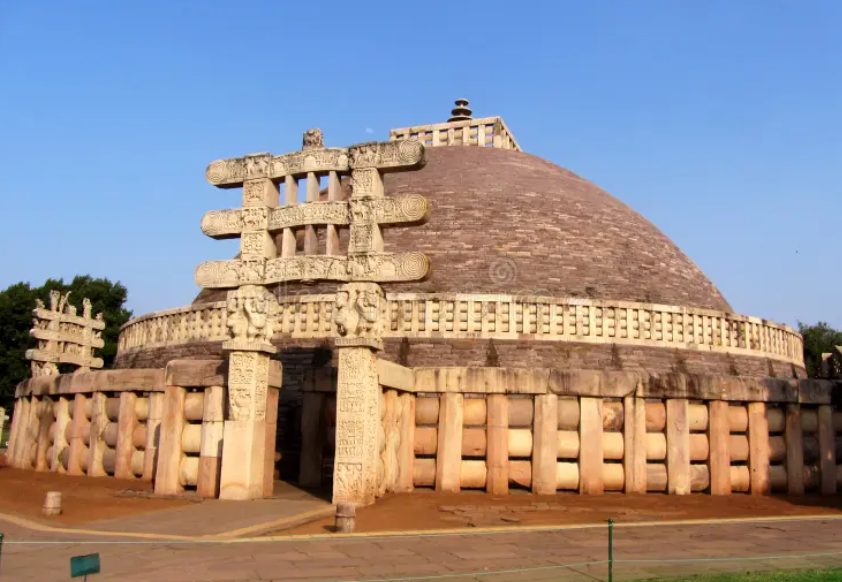
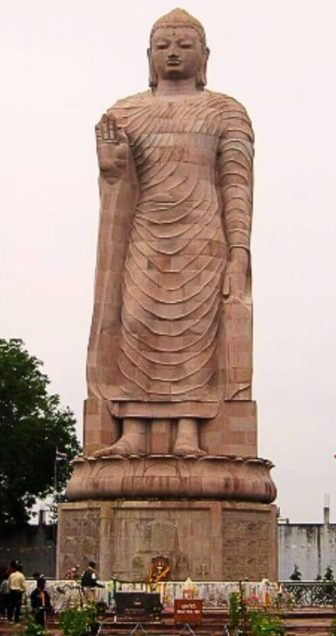
This exhibition shows how identity in Buddhist art is shown without representing the human self. Instead of presenting the Buddha as an individual, the Buddhist visual culture communicates spiritual identity through symbolism, gesture, material form, and many times through absence. Across sculpture and architecture from Southeast Asia, the Buddha is as a trace of enlightenment that exists in space, posture, and sacred form. This idea can be understood through representation working as symbolic presence rather than visibility. As Ananda Coomaraswamy says, “The Buddha is not represented as a man, but as an idea beyond man.” Because of this, Buddhist imagery shifts focus away from physical identity and more toward spiritual realization. This can be seen as where enlightenment can’t be contained in one human form. Instead, it is shown through things like the stupa, mudras (hand gestures), meditative bodies, or even the complete absence of the body. The exhibition starts with the Great Stupa at Sanchi, where the Buddha is not shown at all. Instead, the idea of presence is in architecture and the way the space is structured, suggesting enlightenment through movement and direction rather than a figure. It sets up absence as a form of representation, where meaning comes from structure and ritual rather than the human body. This idea continues in the Standing Buddha, where the body appears but is still not individualized. Posture and mudras show calmness and authority, showing identity through controlled presence rather than personal features. In the Seated Buddha from Ajanta, the body is focused on meditation. Identity is shown through stillness, where enlightenment is represented as inner calm instead of outward individuality. The Buddha Head from Gandhara goes further by removing the body completely and focusing only on the face or head, where expression and serenity become the main way identity is shown. It also reflects how Buddhist art changes across regions and influences. The exhibition ends with the Reclining Buddha at Wat Pho, where the body is laid out horizontally, showing the Buddha entering Nirvana. Overall, these works show that Buddhist art doesn’t rely on direct depiction of identity but instead builds meaning through symbolic absence and spiritual suggestion. Across the gallery, the Buddha becomes less of a person and more of a presence that exists beyond what you can physically see.
5 artworks 2 views Walk Through in 3D

Artworks

  • Great Stupa at Sanchi (2026) — Great Stupa at Sanchi, c. 3rd century BCE – 1st century CE, Stone architecture (sandstone) and carved relief sculpture. The Great Stupa at Sanchi is a large Buddhist stone monument used for worship and meditation. It has a symmetrical dome shape with four gateways placed in each direction, creating a strong sense of balance and order. The structure is made of stone and uses spatial design and carved reliefs to guide ritual movement around it, especially clockwise circumambulation practiced in Buddhism. The dome feels solid and calm, representing the universe and the idea of enlightenment as something vast and unified. The gateways include carved scenes from the Buddha’s life, but the Buddha is not shown in human form. Instead, his presence is suggested through symbols like footprints, trees, and empty space. This reflects early Buddhist tradition where direct representation of the Buddha was avoided. In this exhibition, it connects because identity is shown completely through architecture and symbolism, not a physical body.
  • Standing Buddha (2026) — Standing Buddha, c. 1st–3rd century CE, Stone sculpture. The Standing Buddha is a stone sculpture of the Buddha in a frontal, symmetrical standing pose. The figure is carved with smooth stone surfaces and vertical folds in the robe that guide the eye downward, creating a calm and balanced composition. The raised hand in abhaya mudra forms a focal point and represents reassurance and protection, while the calm facial expression removes any sense of personal identity. The sculpture comes from early Buddhist devotional traditions where images were used for meditation and teaching rather than as portraits of a person. It represents enlightenment and spiritual peace through controlled posture and gesture rather than individual identity. In this exhibition, it connects because identity is shown through symbolic body language instead of a real human self.
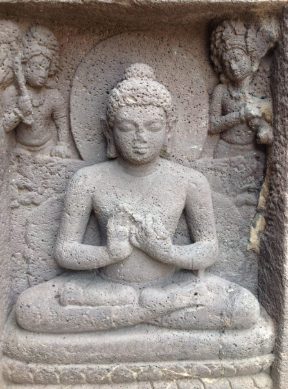
  • Seated Buddha (2026) — Seated Buddha (Ajanta Caves), c. 5th–6th century CE, Stone sculpture. The Seated Buddha from the Ajanta caves shows the Buddha in a cross-legged meditation pose with hands in dhyana mudra. The composition is highly symmetrical and centered, creating a strong sense of stillness and inner focus. The carved stone surface is smooth, and the robe falls in soft folds that do not distract from the calm posture. The face is peaceful with closed eyes, showing complete concentration and mental control. The Ajanta caves were monastic spaces used for meditation and worship, so sculptures like this were part of spiritual practice rather than decoration. It represents enlightenment as an inner state of mind rather than a physical identity. In this exhibition, it connects because identity is fully internalized and expressed through stillness rather than outward appearance.
  • Buddha Head (2026) — Buddha Head, c. 3rd–4th century CE, Stone sculpture. The Buddha Head from Gandhara shows only the head of the Buddha, removing the body completely. The face is calm and symmetrical, with closed eyes and a peaceful expression that suggests inner awareness and detachment from the physical world. The detailed curls of the hair and more naturalistic facial features reflect Greco-Roman influence in Gandhara Buddhist art. By isolating the head, the sculpture reduces identity to expression alone, removing physical individuality. The focus is placed entirely on serenity and spiritual presence rather than human form. In this exhibition, it connects because identity is reduced further, showing that presence can exist even without a body.
  • Reclining Buddha (2026) — Reclining Buddha, Wat Pho, c. 19th century CE, Stone and gold leaf sculpture. The Reclining Buddha at Wat Pho is a large stone and gold sculpture of the Buddha lying on his side in a horizontal position. The long body fills the space and creates a strong sense of stillness and completion. The face is calm and peaceful, and the posture shows rest rather than movement. Decorative details on the feet include symbolic patterns that connect the body to Buddhist cosmology. This sculpture represents the Buddha entering Nirvana, the final state of release from the cycle of rebirth. It was created in a temple context for worship and reflection on impermanence. In this exhibition, it connects because identity disappears into spiritual transition, showing the final stage where the body is no longer an individual presence but a symbolic release.
Great Stupa at Sanchi

Great Stupa at Sanchi

2026
Standing Buddha

Standing Buddha

2026
Seated Buddha

Seated Buddha

2026
Buddha Head

Buddha Head

2026
Reclining Buddha

Reclining Buddha

2026

Immersive Experience

Walk through this gallery in 3D

Step inside a virtual gallery space. Walk up to each artwork. See them as they were meant to be seen.

Experience in 3D

React to this gallery

Guestbook

Sign in to leave a comment.

Loading…