jeah selene agag's 3D Art Galleries on Galerra

jeah selene agag has 1 public gallery with 1 total views on Galerra.

Galleries by jeah selene agag

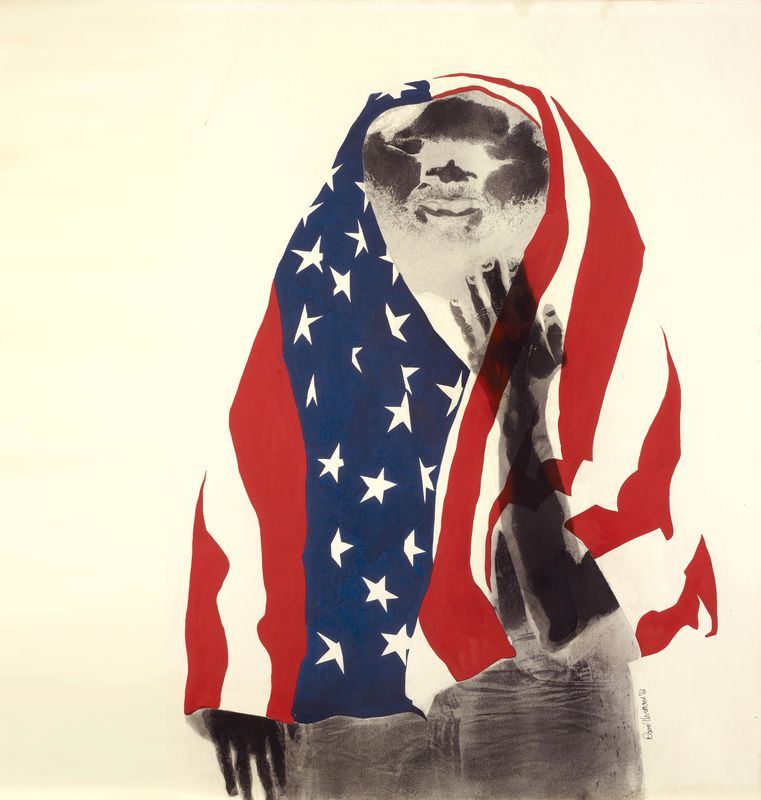
  • In Defiance of Silence — In Defiance of Silence brings together five different works to recognize and appreciate Black achievement and resilience. In a systemically unfair world where bias is embedded, where throughout history, legislation, photography, and cultural institutions have been used to stereotype, minimize, and sometimes even erase Black achievement, these five Black artists and their artworks act as resilience and record-keeping. I’m targeting Black experiences translated into art, while recognizing how these experiences were collectively overcome, and developing strong representations of determination, resistance, and survival. The cultural philosopher, art critic, and author Stuart Hall wrote an essay named New Ethnicities. In this, he wrote, “The struggle to come into representation was predicated on a critique of the degree of fetishization, objectification and negative figuration which are so much a feature of the representation of the black subject. There was a concern not simply with the absence or marginality of the black experience but with its simplification and its stereotypical character… [This marks] a shift from a struggle over the relations of representation to a politics of representation itself.” Stuart Hall’s quote grounds my concept because it shifts the focus from simply demanding more visibility to reclaiming control over the meaning of that visibility, allowing Black artists to deconstruct stereotypes and archive authentic histories of their survival. By treating representation as a political ground, these artists can use their work to challenge historical erasure and reshape the narrative around Black achievement, transforming their art into a powerful record of collective resilience and triumph. These specific works each have a meaning and purpose; they reveal the truth, and they are not pieces just to be physically appealing to the audience or pleasing to the eye. Each of these works connects to the others in a way that is important to recognize; they connect because they refuse to let a systemically unfair world and society write their history for them. Their order works as a symbol to show a repeating cycle and a general repetition, unfortunately, reflecting the repeating issues I’ve addressed in our world today. The specific order of the artworks helps show this small repetition in a way by making them contrast one another mainly by color, switching from dull to vibrant. I think it’s captivating to the eye, rather than the usual placement of artworks that relies on them flowing with each other as you go along. David Hammons’ America the Beautiful (1968) confronts the contradictions of Black identity and systemic oppression during the Civil Rights era. The piece serves as a critique of America’s unfulfilled ideals and as a resilient assertion of Black presence and survival. Thomas E. Askew’s Four African American women seated on steps of building at Atlanta University, Georgia (1899 or 1900) counters dehumanizing Jim Crow-era stereotypes by photographing Black female university students with elegance and self-assurance, creating a resilient and self-determined record of Black intellect and dignity. Romare Bearden’s The Block (1971) celebrates Harlem’s lively complexity and resilience by documenting its daily rituals and intimate lives. Augusta Savage’s Lift Every Voice and Sing (The Harp) (1939) celebrates generational resilience, spiritual endurance, and collective Black voice against oppression. Bisa Butler’s I Know Why The Caged Bird Sings (2019) transforms Thomas E. Askew’s vintage photograph into a vibrant tribute to education, liberation, and Black female empowerment. (1 views)
Artist · @jeah selene agag1 gallery
jeah selene agag

jeah selene agag

1
Galleries
1
Total Views
0
Followers
All Works
1 Gallery
In Defiance of Silence
See Artworks

In Defiance of Silence

In Defiance of Silence brings together five different works to recognize and appreciate Black achievement and resilience. In a systemically unfair world where bias is embedded, where throughout history, legislation, photography, and cultural institutions have been used to stereotype, minimize, and sometimes even erase Black achievement, these five Black artists and their artworks act as resilience and record-keeping. I’m targeting Black experiences translated into art, while recognizing how these experiences were collectively overcome, and developing strong representations of determination, resistance, and survival. The cultural philosopher, art critic, and author Stuart Hall wrote an essay named New Ethnicities. In this, he wrote, “The struggle to come into representation was predicated on a critique of the degree of fetishization, objectification and negative figuration which are so much a feature of the representation of the black subject. There was a concern not simply with the absence or marginality of the black experience but with its simplification and its stereotypical character… [This marks] a shift from a struggle over the relations of representation to a politics of representation itself.” Stuart Hall’s quote grounds my concept because it shifts the focus from simply demanding more visibility to reclaiming control over the meaning of that visibility, allowing Black artists to deconstruct stereotypes and archive authentic histories of their survival. By treating representation as a political ground, these artists can use their work to challenge historical erasure and reshape the narrative around Black achievement, transforming their art into a powerful record of collective resilience and triumph. These specific works each have a meaning and purpose; they reveal the truth, and they are not pieces just to be physically appealing to the audience or pleasing to the eye. Each of these works connects to the others in a way that is important to recognize; they connect because they refuse to let a systemically unfair world and society write their history for them. Their order works as a symbol to show a repeating cycle and a general repetition, unfortunately, reflecting the repeating issues I’ve addressed in our world today. The specific order of the artworks helps show this small repetition in a way by making them contrast one another mainly by color, switching from dull to vibrant. I think it’s captivating to the eye, rather than the usual placement of artworks that relies on them flowing with each other as you go along. David Hammons’ America the Beautiful (1968) confronts the contradictions of Black identity and systemic oppression during the Civil Rights era. The piece serves as a critique of America’s unfulfilled ideals and as a resilient assertion of Black presence and survival. Thomas E. Askew’s Four African American women seated on steps of building at Atlanta University, Georgia (1899 or 1900) counters dehumanizing Jim Crow-era stereotypes by photographing Black female university students with elegance and self-assurance, creating a resilient and self-determined record of Black intellect and dignity. Romare Bearden’s The Block (1971) celebrates Harlem’s lively complexity and resilience by documenting its daily rituals and intimate lives. Augusta Savage’s Lift Every Voice and Sing (The Harp) (1939) celebrates generational resilience, spiritual endurance, and collective Black voice against oppression. Bisa Butler’s I Know Why The Caged Bird Sings (2019) transforms Thomas E. Askew’s vintage photograph into a vibrant tribute to education, liberation, and Black female empowerment.