Explore 3D Virtual Art Galleries
Browse 133 virtual art galleries on Galerra. Walk through immersive 3D exhibitions featuring photography, digital art, traditional art, and more.
Featured galleries
- https://www.kreativwerkstattku.com — 220 views
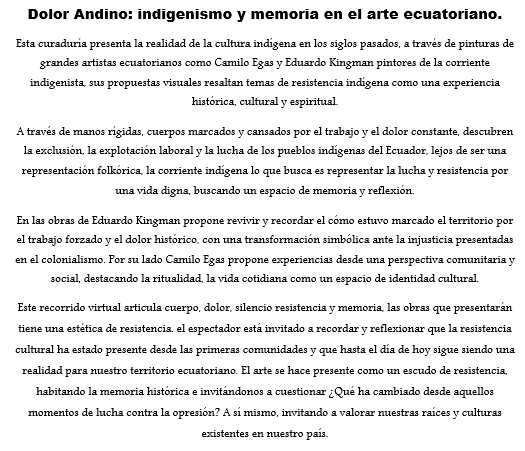
- Dolor Andino: indigenismo y memoria en el arte ecuatoriano — 119 views
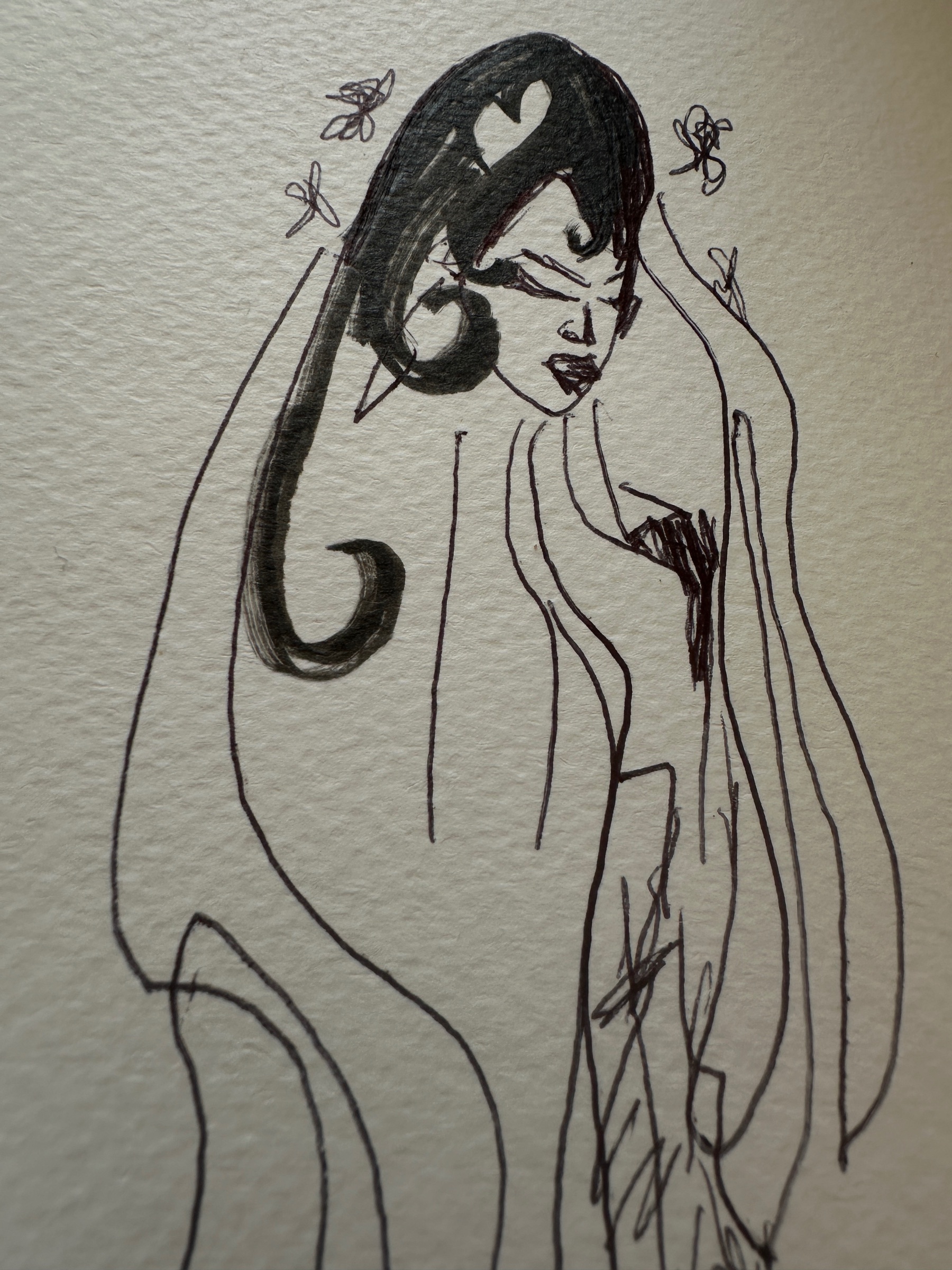
- Live Sketch — 82 views
- Artec House — 72 views
- To spirto - June 2026 — 60 views
- Exhibition marzo 2026 — 48 views
- How did your production skills develop throughout this project? — 29 views
- Organic Matter — 23 views
- Momoyumemi — 21 views
- 다양한 인공지능 로봇들 — 20 views
- Who Gets to Be Seen? Identity, Power, and Representation — 19 views
- Sun Gallery — 19 views
Discover
galleries.
Walkable 3D exhibitions by artists worldwide. Click any to step inside.
Create your own — free






Organic Matter

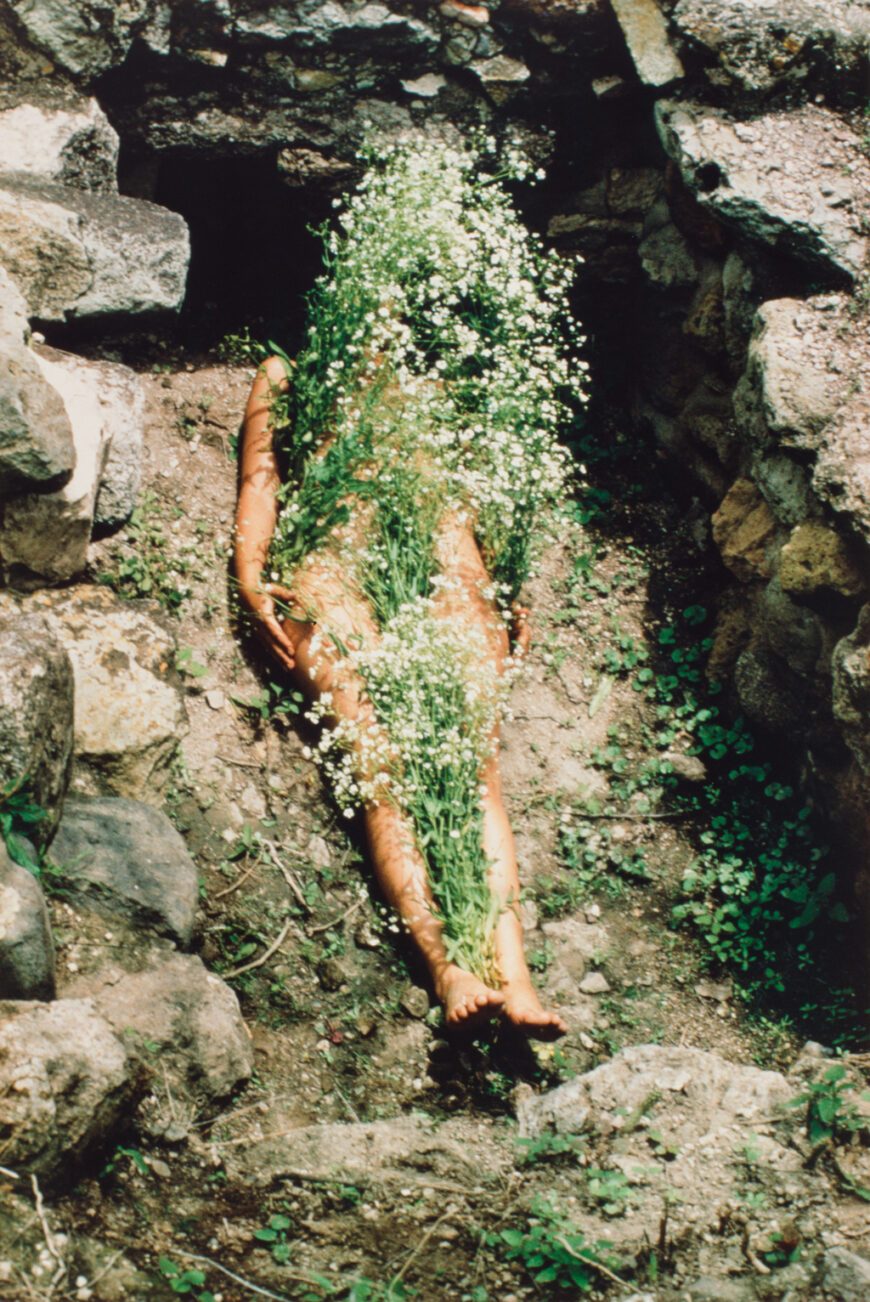
"We are the land, and the land is us. The earth is not an object to be possessed, but a relative with whom we share a mutual biological and spiritual existence." — Dr. Gregory Cajete Organic Matter is an exhibition that explores the transient human form, our place in nature, and the transition of energy back into the earth through death. Guided by Dr. Gregory Cajete’s framework of Indigenous ecology, which positions the earth as a living relative, this exhibit redefines our understanding of the body as simply a temporary form of organic matter in transition. Grounded in Indigenous spirituality and kinship philosophy, this curation challenges the Western, colonial worldview that separates us from other aspects of the natural world and asks us to reevaluate how we experience nature through our senses, how we impact it through our actions, and how the human form mirrors and eventually returns to the earth. Rather than following a traditional linear progression, the exhibition represents an alternative view of the cycle of life by beginning with the traditionally “final” stage of death, moving into decomposition and the undifferentiated stage of energy transfer that happens beyond our human perception, and ending with (re)birth, the traditional “beginning”. This continuous flow of matter is traced across five distinct phases of energy transfer, represented by five individual artists from multiple eras, working together to highlight the multiple kinds of reciprocal relationships we share with animals and the universe. Together, they illustrate that we never truly leave the earth because we are an integral part of it. The five stages are as follows: Death (Ana Mendieta): The cycle begins with Mendieta's earth-body performances, representing the physical body merging into the earth through burial. This captures the first stages of energy transfer, where the body begins to remember its original form and becomes overgrown. Its form has not yet begun to decompose and still retains easily recognizable human features. Decomposition (Dasha Plesen): Transitioning into Plesen's bio-art sculptures, this phase isolates specific aspects of the human form to represent decomposition. It highlights the nourishment and biological sustenance that the dying body provides to the earth and its microscopic organisms. Compost (Paul Nudd): Here, the boundaries of the human form dissolve entirely. Nudd's illustrations represent compost, the visceral stage where the human body loses its definition and becomes completely indecipherable from the natural world around it. Energy Transfer (Magdalena Abakanowicz): Shifting from the physical to the cosmic, the textile sculptures of Abakanowicz represent energy transfer. They display the undefined body, rearranging its shape and merging seamlessly with the natural environment, becoming one with the wider universe where anything is possible. Rebirth (Kiki Smith): The cycle closes and begins anew. Smith's sculptures represent rebirth, showcasing the body reemerging, revitalized, and born fresh from the womb of the natural world to complete the cycle of creation. She breaks down the barriers that separate humans from animals in the most intimate way.