Explore 3D Virtual Art Galleries

Browse 321 virtual art galleries on Galerra. Walk through immersive 3D exhibitions featuring photography, digital art, traditional art, and more.

Featured galleries

Explore · 12 on this page

Discover
galleries.

Walkable 3D exhibitions by artists worldwide. Click any to step inside.
Create your own — free
Filter
Sort
From Mortals to Gods in Ancient Art
See Artworks

From Mortals to Gods in Ancient Art

Mythological figures have long been figurative and made of marble. This mythology helps create stories and convey how ancient people depicted these stories of mortals, gods, and goddesses. Even though all of these sculptures are made by different people and have different stories, they do not fail to cast a majestic presence. All of these art works a lot with their nudity, which is not common with other eras of art. The calm humanistic portrayal of these gods could be explained from Malvina Hoffman’s quote “Sculpture is a parable in three dimensions, a symbol of a spiritual experience, and a means of conveying truth by concentrating its essence into visible form. ... It must be the reflection of the artist who creates it and of the era in which he lives, not an echo or a memory of other days and other ways.”. This exhibition starts with Praxiteles sculpture, Aphrodite of Knidos, fully nude and radiating the representation of beauty. Even while she gets ready for a ritual bath, the goddess stays in a majestic stance, while breaking gender norms set during that time. Then we look at Alexandros of Antioch’s sculpture, Venus de Milo. Although the sculpture’s limbs are missing, she still continues to have a sense of calmness and a majestic figure. The posture is a big factor that reveals this goddess’s tranquil aura. As the exhibition continues, Laocoön and His Sons by Agesandro, Athendoros, and Polydoros is the next work of art that really presents majesty even through hardship. This really explains how, even though the story is intense and is full of agony, the figures still stay majestic in their movements and stance. Not only is Laocoön shown as stately and majestic while protecting his family, but his sons are as well when fighting for their lives, while still being mortal. The importance of majesty in this exhibition continues with Timotheos’s sculpture, Leda and Zeus as a Swan. This is another piece of art that tells an interesting story while still displaying a calm and majestic feeling. The collision of manipulation with these feelings is unusual yet works great with the work. This concludes with Leochares’s sculpture depicting Apollo Belvedere. While again being fully nude, his majesty is shown a lot since he is of high status among both the gods and mortals. This statue is thought to illustrate Apollo slaying Python, which conflicts with the theme of calmness and majesty that he continues to give off in his stance. This majestic characteristic is clearly shown within all of these works of art in many different ways. This theme continues with the nudity, the colliding stories, and the movement and stances. Even though the majestic nature is more known with the gods and goddesses, these artists use it even with mortals. From Mortals to Gods in Ancient Art invites people to explore these themes shown in mythology and understand how these pieces of art combine together.

Women Reimagined: Challenging Traditional Representations of Female Identity
See Artworks

Women Reimagined: Challenging Traditional Representations of Female Identity

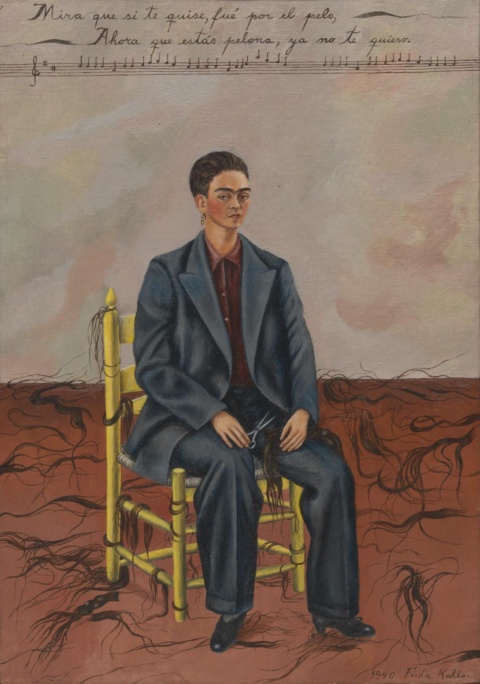
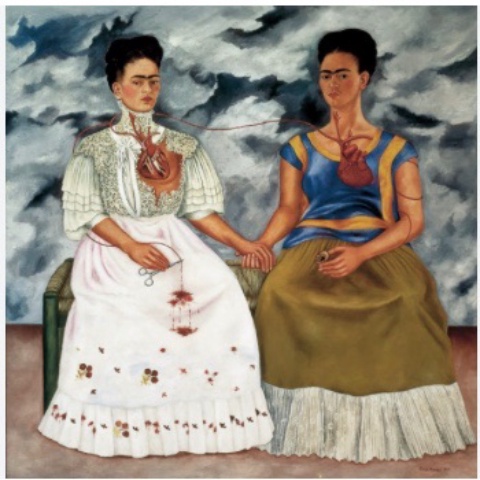
Throughout art history, women have often been represented through ideals created by others rather than through their own experiences. This exhibition explores how female artists challenge traditional expectations surrounding gender, identity, beauty, and power. Rather than accepting conventional portrayals of women as passive subjects, these artists reclaim representation and use art as a tool for self-definition. Art historian Linda Nochlin famously asked, "Why Have There Been No Great Women Artists?" Her question challenged viewers to consider the social structures that limited women's opportunities and visibility within the art world. The artists in this exhibition respond to those limitations by creating images that place women's experiences at the center of artistic practice. The exhibition begins with Frida Kahlo's Self-Portrait with Cropped Hair. By depicting herself in men's clothing after cutting her hair, Kahlo rejects traditional expectations of femininity. The work introduces themes of identity and self-determination that continue throughout the exhibition. Next, Judy Chicago's The Dinner Party expands the discussion from individual identity to collective female history. The installation honors women who were often excluded from historical narratives and demonstrates how art can recover forgotten voices. Cindy Sherman's Untitled Film Still #21 examines the ways women are portrayed in popular culture. By performing a fictional character, Sherman reveals how female identities are often constructed through stereotypes rather than personal experience. Barbara Kruger's Your Body Is a Battleground directly confronts issues of gender, power, and representation. Combining photography and text, the work challenges viewers to consider who controls images of women and how those images influence society. The exhibition concludes with Kahlo's The Two Fridas. The painting presents two versions of the artist connected by a shared heart, symbolizing the complexity of identity. The work emphasizes that identity is not fixed but shaped by personal experience, culture, and emotion. Together, these artworks demonstrate that female identity cannot be reduced to a single image or stereotype. By challenging traditional representations, these artists create space for more diverse and authentic understandings of women's experiences. This theme is strong for a freshman art history class because the artworks are famous, easy to research, and the connections between them are clear. You'll still need a judgment paragraph for each artwork, but this exhibition concept would easily meet the assignment requirements.

1...171819...27