Explore 3D Virtual Art Galleries

Browse 321 virtual art galleries on Galerra. Walk through immersive 3D exhibitions featuring photography, digital art, traditional art, and more.

Featured galleries

Explore · 12 on this page

Discover
galleries.

Walkable 3D exhibitions by artists worldwide. Click any to step inside.
Create your own — free
Filter
Sort
Moments Before - Contemporary Art
See Artworks

Moments Before - Contemporary Art

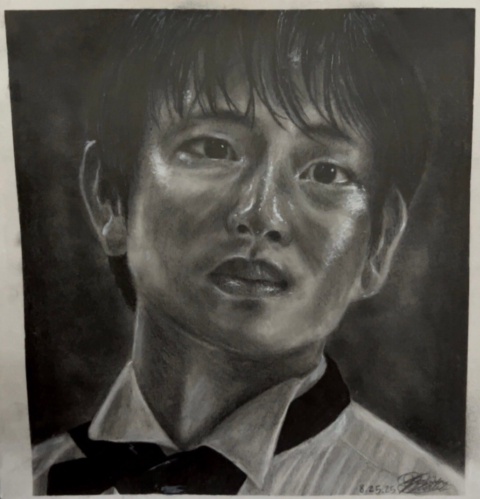
This exhibition is grounded in contemporary portraiture and storytelling within artistic practice, focusing on how identity and narrative are constructed through visual representation. Rather than treating identity as fixed or fully visible, the selected works explore how meaning is formed through fragmentation, suggestion, and omission. Across photography, painting, sculpture, and performance documentation, the exhibition examines how figures can exist in suspended psychological states where something is implied but not yet completed. These moments are defined less by action than by anticipation, where emotional and narrative tension accumulates in stillness and restraint. A key theoretical influence for this exhibition is Roland Barthes’ idea that images operate through signs that are open to interpretation rather than fixed meaning. From this perspective, portraiture is not a transparent reflection of identity but a constructed field where viewers actively produce meaning. Each work engages this idea by withholding complete information and using gaze, framing, material, and absence to shape interpretation. Identity becomes something assembled through visual cues rather than directly revealed, requiring attention to both presence and omission. The exhibition begins with Cindy Sherman’s Untitled Film Still #30, which introduces identity as staged and cinematic. The figure is placed in a domestic interior but looks away from the viewer, creating distance and ambiguity. The image feels like a still taken from a larger narrative, positioning the viewer within an interrupted moment. This opening frames identity as performance, where meaning is shaped through framing, posture, and implied story rather than direct expression. From here, the exhibition moves into No One Knows, where anticipation becomes physical in the body of a hockey player at the faceoff. The figure’s controlled stance and focused gaze communicate a moment immediately before action, where pressure is contained within stillness. The tight framing and minimal background isolate this tension, emphasizing the relationship between internal readiness and external expectation. Anticipation is conveyed through bodily restraint and compositional focus. Note to Self shifts the focus inward, using clay to express emotional tension at the edge of release. The figure’s facial strain suggests emotion being held back rather than expressed. The tactile surface reinforces vulnerability, while the three-dimensional form allows shifting viewpoints that echo instability. This work shows anticipation as internal pressure, contained within the body rather than outward action. Their Entertainment expands the exhibition into memory and systemic awareness. The figure of Haymitch is shown observing the arena, his gaze distant as he reflects on violence and survival. The muted palette and controlled brushwork reinforce emotional fatigue, while isolation within the composition emphasizes separation from what he witnesses. Here, the “moment before” exists in memory, shaped by trauma and repetition. The exhibition concludes with Last Game, where anticipation resolves into consequence. The tightly framed figure exists in emotional overload, where awareness and outcome converge. The absence of background intensifies focus on expression and bodily tension, emphasizing psychological collapse rather than action. As the final work, it completes the shift from constructed identity to anticipation, internal reflection, and inevitability. Across the exhibition, identity is not stable or fully knowable, but formed through anticipation, restraint, memory, and consequence. The sequence moves from performance to embodiment to aftermath, emphasizing that the most significant moments are often not action itself, but what occurs immediately before, when everything is understood but nothing has yet happened.

Remembering, Resisting, Reclaiming
See Artworks

Remembering, Resisting, Reclaiming

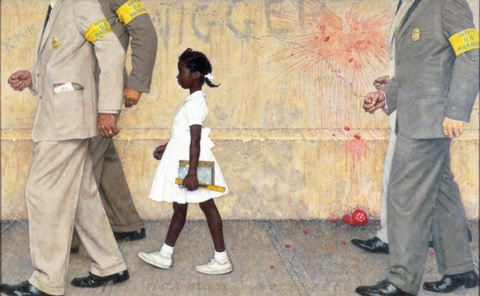
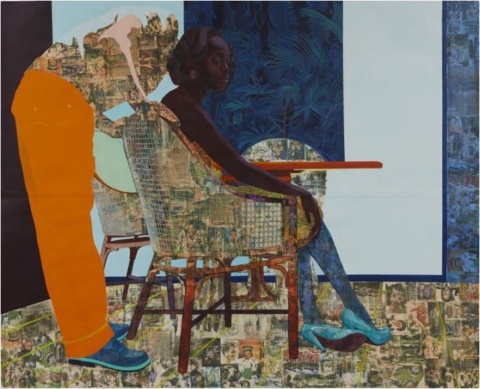
My exhibition explores how artists represent Black experiences through memory, resistance, and self-representation. The artworks I have chosen represent a journey from the historical violence of slavery to contemporary expressions of identity, resilience, and cultural presence. Together, these works demonstrate how Black artists challenge erasure while reclaiming visibility and humanity across the African diaspora. Cultural critic bell hooks argued that "representation is a crucial location of struggle." This exhibition uses that idea to examine how visual art can challenge historical erasure and create new understandings of Black identity. The selected works reveal how artists use representation as a tool for remembrance, resistance, and empowerment. My exhibition is organized chronologically and conceptually. It begins with Punição de Escravos, which establishes the historical realities of slavery and colonial violence that shaped the African diaspora. The Problem We All Live With then shifts to the Civil Rights Movement and the struggle for equality. Flipside explores the complexities of representation and identity, questioning how Blackness is viewed and understood. Past Times reclaims Black visibility through images of joy and community, while No Woman, No Cry concludes my exhibition with themes of memory, mourning, and resilience. These artworks work together to demonstrate the ongoing process of remembering historical injustices, resisting oppression, and reclaiming identity.

1...181920...27