Explore 3D Virtual Art Galleries
Browse 266 virtual art galleries on Galerra. Walk through immersive 3D exhibitions featuring photography, digital art, traditional art, and more.
Featured galleries
- Оюлыстық пед оқу — 8 views
- "Entre Altares y los Andes" — 7 views
- Thiền — 7 views
- 10118이연진 — 6 views
- “Questo sono io” — 6 views
- Tradition, Power, and Cultural Identity in Asian Art — 5 views
- 야루 — 5 views
- DANIELAgalery — 5 views
- 11124 하헌찬 — 4 views
- 11010노경서 — 4 views
- 이도윤 — 4 views
- 10821 이지현 — 4 views
Discover
galleries.
Walkable 3D exhibitions by artists worldwide. Click any to step inside.
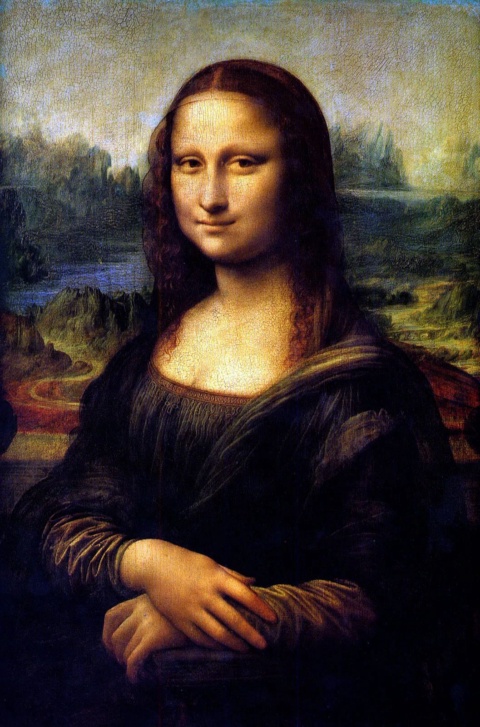
"Entre Altares y los Andes"
La exposición Entre Altares y Los Andes propone un recorrido visual y conceptual por la obra del pintor cusqueño Marcos Zapata, uno de los principales representantes del barroco mestizo andino. A través de ocho obras seleccionadas, la curaduría explora cómo las imágenes religiosas europeas fueron reinterpretadas dentro del contexto cultural andino durante el siglo XVIII, dando origen a nuevas formas visuales atravesadas por el sincretismo religioso, político y simbólico.

Tradition, Power, and Cultural Identity in Asian Art
This exhibition focuses on the way Asian artwork is influenced by changes in the relationship between tradition, power, spirituality, and culture through various eras in China, Japan, and India. Through the integration of artworks from the fields of sculptural art, architecture, landscape painting, pottery, and woodblock printing, the exhibition shows that artistic practice served not just an aesthetic purpose, but also political and spiritual purposes, spiritual belief, and cultural continuity. The works that have been chosen show how Asian artists reacted to new circumstances and remained true to their tradition. As stated by Michael Sullivan, an art historian, traditional Chinese art is characterized by the harmony between man and nature. This is not only relevant to Chinese culture, but the whole Asian tradition of art, which implies a relationship between nature, spiritual world, and man. In general, art reflects culture, religion, politics, and other aspects of life. Starting with the terracotta warriors and horses of Qin Shi Huang, the exhibit sets the tone for art as an extension of power and spirituality. These sculptures symbolize royal might, military prowess, and superstitions regarding death. They illustrate the idea that art has long been employed to establish control that underlies early Asian artistic production. This concept of art structure and refinement is carried further in the “Lantern-Shaped Porcelain Vase” of the Qing Dynasty era, in which skill and decoration indicate culture and international exchange. In this case, the importance of art is not only functional but also aesthetically pleasing, thus showing how material culture could show status and refinement. On to the next artwork, the philosophy aspect of art is highlighted through Fan Kuan’s masterpiece, the “Travelers among Mountains and Streams.” The inspiration behind the work of art comes from Daoism and Confucianism philosophies, which portray man as being insignificant in nature. Then the Great Stupa of Sanchi exemplifies a sacred form of architecture in its association with Buddhist traditions. Symbolizing enlightenment and rebirth, the stupa is an architectural masterpiece that also serves as an illustrative relief, which highlights the importance of art and architecture in the practice of religion. Lastly, the Great Wave off Kanagawa by Hokusai is a reflection of nature’s power and volatility in Japanese culture. By incorporating elements of composition and motion, the work captures the contrast between human vulnerability and powerful nature. In all, these pieces illustrate the ways through which Asian art manages to preserve its traditions even amidst changing cultures. These pieces show the deep connections among the themes of power, spirituality, craft, and nature that characterize Asian.